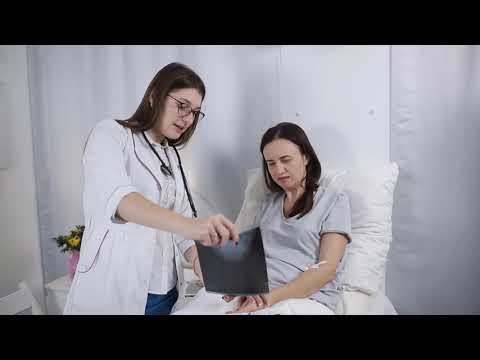
It is well-known that a woman’s body during pregnant experiences changes in the immune systems that can make contracting any illness, not just Covid-19, more likely. In addition to this, the womans’ body works harder to support the development of the fetus, causing additional stress on the lungs and the cardiovascular system, which can also make the body more susepticble to viral infectioins.
As always, women should take extra precautions to avoid contracting Covid and other viral infections. This includes avoiding social contact, sterilization of commonly touched surfaces, and frequent hand-washing. Avoid touching possibly contaminated hands to the face especially the eyes nose and mouth. Covid is airborn and enters the body through mucous membranes of the eyes, nose mouth or airways.
in late June, the CDC reported that women who are pregnant were 50% more likely to end up in intensive care units (ICUs) than nonpregnant women. Pregnant women were also 70% more likely to need ventilators. Interestingly, however, the CDC found that pregnant woman were not found to be more likely to die from Covid.
A paper, published by the Public Health Agency of Sweden last month in Acta Obstetricia et Gynecologica Scandinavica, used a more complete data set. Swedish ICUs in that time frame. Researchers found that pregnant or immediately postpartum women with COVID-19 were nearly six times as likely to land in ICUs as their nonpregnant, COVID-19–infected peers.
Viral infections tend to be more severe in pregnant women because the immune system during pregnancy is somewhat desensitized. This is because an overactive immune system can create antibodies that will attack the fetus. So in essence, the pregnant body must compromise its own immune system in order to preserve the baby’s health.
At the same time, the immune system is far from inactive in pregnancy, and “the really significant immune response to the infection certainly has the potential to cause complications,” says Carolyn Coyne, a virologist at the University of Pittsburgh.
According to the CDC. At this time it is thought that pregnant women might be at an increased risk for severe illness from COVID-19 compared to non-pregnant women. pregnant women with COVID-19 might have an increased risk of adverse pregnancy outcomes, such as premature birth.
CDC is supporting multiple efforts to better understand the impact of COVID-19 during pregnancy on both the mother and infant. Data collected as part of these efforts can help direct public health action and inform clinical guidance for the care of affected pregnant women and their infants.
Tracking data on COVID-19 during pregnancy can protect pregnant women and their babies.
An MMWR study suggests that pregnant women with COVID-19 are more likely to be hospitalized and are at increased risk for intensive care unit (ICU) admission and receipt of mechanical ventilation than nonpregnant women. Risk of death is similar for both groups. But much remains unknown.
CDC is collaborating with state, local, and territorial health departments and external partners to better understand COVID-19 during pregnancy.
Considerations for discussions on whether a neonate should remain in the mother’s room include:
• Mothers who room-in with their infants can more easily learn and respond to their feeding cues, which helps establish breastfeeding. Breastfeeding reduces morbidity and mortality for both mothers and their infants. Mothers who choose to breastfeed should take measures, including wearing a mask and practicing hand hygiene, to minimize the risk of virus transmission while feeding. Additional information for healthcare providers on breastfeeding in the context of COVID-19 is available.
• Mother-infant bonding is facilitated by keeping the neonate with its mother.
• Rooming-in promotes family-centered care and can allow for parent education about newborn care and infection prevention and control practices.
• Mothers with suspected or confirmed SARS-CoV-2 infection should not be considered as posing a potential risk of virus transmission to their neonates if they have met the criteria for discontinuing isolation and precautions:
o At least 10 days have passed since their symptoms first appeared (up to 20 days if they have more severe to critical illness or are severely immunocompromised), and
o At least 24 hours have passed since their last fever without the use of antipyretics, and
o Their other symptoms have improved.
•