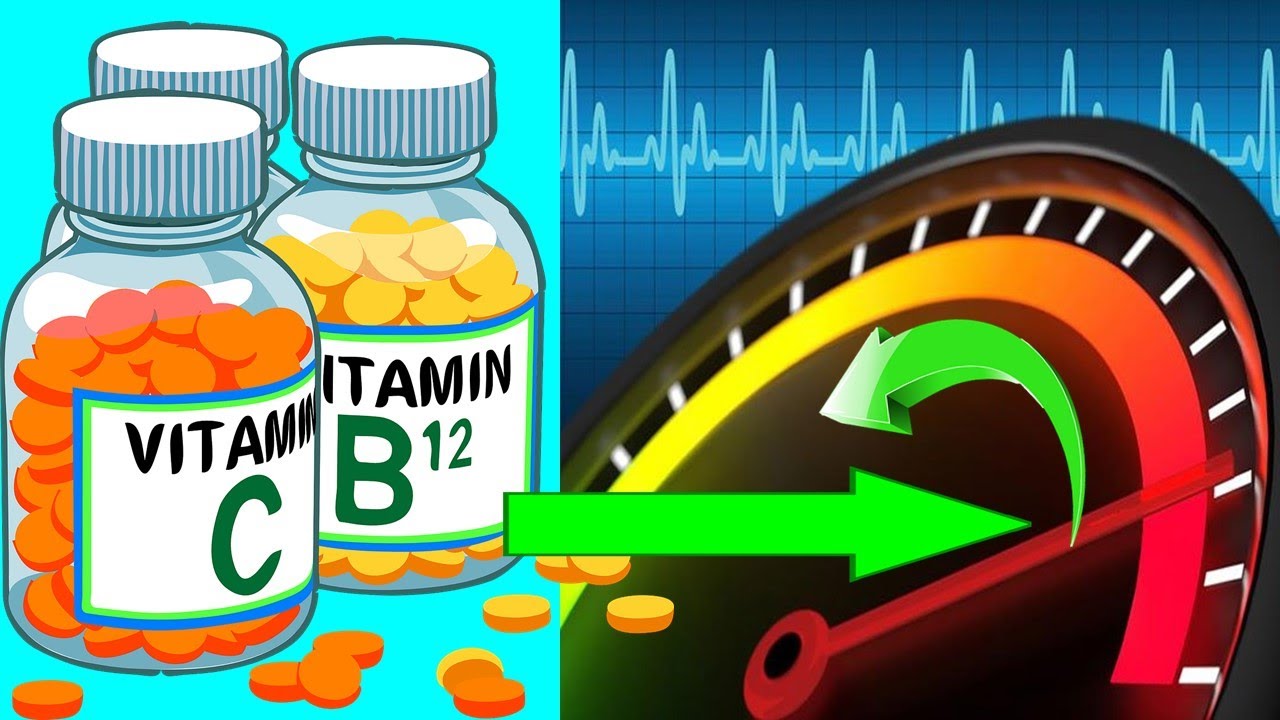
Ideally, you should get all of your vitamins and nutrients via diet. However, this isn’t always possible, for any number of reasons. For this reason, many people add vitamins and supplements to their diet to help control hypertension.
The below supplements may help lower high blood pressure. For best results, take supplements along with a healthy diet and balanced lifestyle.
1. B-Complex
Stress and anxiety can cause your blood pressure to rise. B-Complex vitamins (comprising of around eight different B-vitamins) can help you to relax. B-complex vitamins boost metabolism, promote a healthy immune system, and encourage healthy cell growth. B-vitamins are known to be good for reducing high blood pressure. Fatty fish or fish oil, dark, leafy greens, dairy products, seafood, and more are all high in B-vitamins.
2. Vitamin D
Vitamin D is particularly effective at reducing blood pressure. Since we commonly absorb vitamin D from sunlight, some areas are prone to widespread deficiencies. A lack of vitamin D can lead to muscle weakness, fatigue, and a struggling immune system.
If you think you could have a vitamin D deficiency, get your doctor to run a blood test. This can tell you immediately whether you should start taking vitamin D supplements.
3. Iron & Vitamin E
Iron and vitamin E work together to keep the body healthy. Iron helps the body carry oxygen more efficiently, and vitamin E helps your heart to use oxygen more effectively.
However, there is a danger here – high doses of vitamin E supplements may actually raise blood pressure. If you already suffer from heart problems, you may want to start on a smaller dose and work your way up. If you have any kind of serious health problem, it might be worth your while consulting your doctor first.
4. Potassium
Potassium works to regulate the amount of salt in our bodies. Since our modern diet tends to be heavy on sodium, salt consumption can be an issue. High levels of salt are known to be bad for our hearts and raise blood pressure. Too much salt, or excessive vomiting and diarrhea, can lower potassium levels in the body. If you deliberately decrease your sodium levels along with potassium supplements, the results will be magnified.
Foods rich in potassium include bananas, green vegetables, potatoes, seeds, and more.
5. Magnesium
Magnesium is a very important mineral for reducing blood pressure. Magnesium supplements help to reduce tension in blood vessel walls, leading to reduced blood pressure. Too much salt in our diet can lead to a magnesium deficiency. If you don’t like the idea of supplements, certain foods are known to be high in magnesium: whole-grain foods, dark, leafy vegetables, seeds legumes, and more.
Chances are, if you have a magnesium deficiency, you’re also low in calcium and potassium. Using these three vitamins as an altogether supplement is great for your health, and may also help manage hypertension. Healthy eating is the best way to get vitamins into your system!
6. Vitamin C
Vitamin C is a supplement known and loved by us all! Commonly found in fruits and vegetables, vitamin C had a myriad of health benefits. While vitamin C isn’t widely considered a natural hypertension treatment, it may help lower blood sugar levels, boost the immune system, and speed up metabolism. These effects do indirectly contribute to lowered blood pressure levels.
Since fruits and vegetables are a rich source of vitamin C, getting more of this vitamin is as simple as eating more fruit and veg.
7. Calcium
Calcium is well known for its bone-nourishing effects – and it also works to help lower blood pressure. This vitamin helps the kidneys to filter out excess sodium and regulates the contraction of blood vessels.
However, a high-sodium diet can lead to low calcium levels. While calcium supplements may be popular, it’s relatively easy to get calcium in non-supplement form from our diet. Milk and other dairy products, dark green leafy vegetables, eggs, nuts, seeds, and more all contain calcium.
Calcium also works well in combination with magnesium and potassium.