



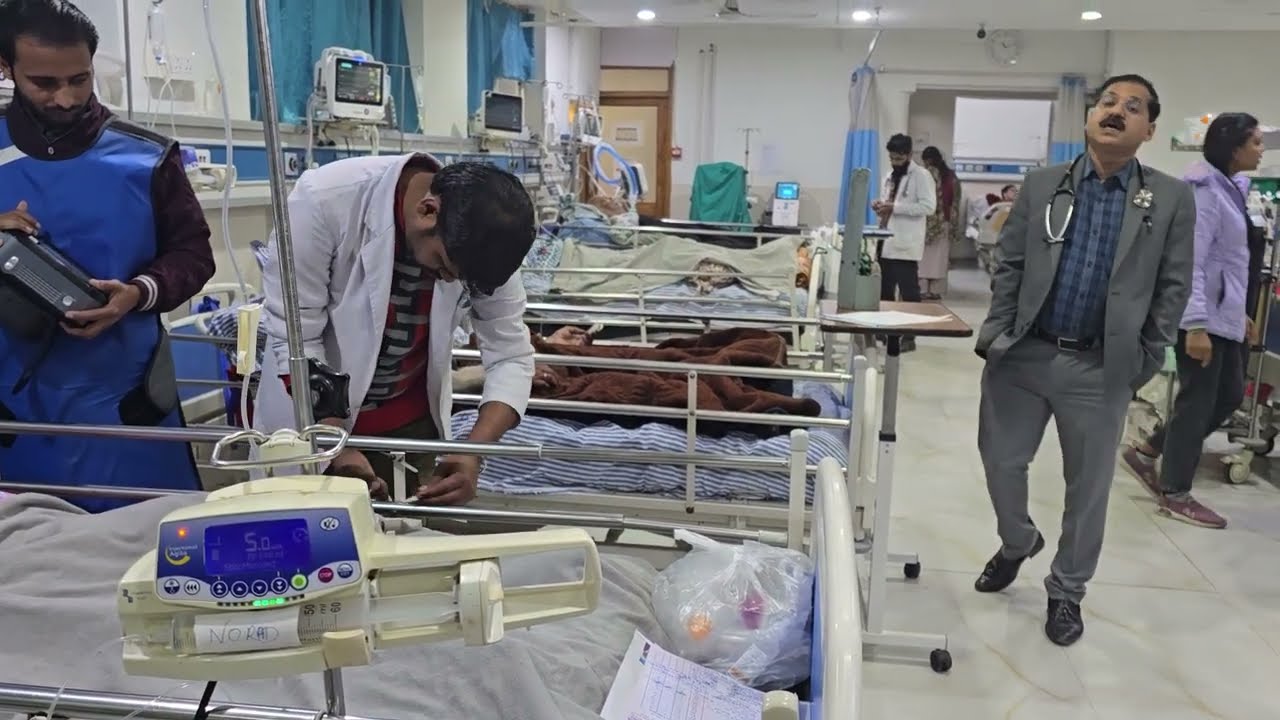
Dr. Abhishek Shukla, recently addressed concerns surrounding Human Metapneumovirus (HMPV), highlighting why panic over this common respiratory virus is misplaced.
HMPV is a respiratory virus first identified by Dutch scientists in 2001, though it has been in circulation since 1958. Most individuals are exposed to the virus by the age of five, building natural immunity over time. Unlike COVID-19, HMPV is not a new pathogen, and its behavior has been well-documented for over 20 years.
According to Dr. Shukla, our bodies develop herd immunity through repeated exposure to viruses like HMPV, which prevents severe illness in most cases. However, those with compromised immune systems, such as the elderly and chronically ill, are more vulnerable to severe symptoms.
Symptoms of HMPV
– Mild Cases: Common cold-like symptoms, including cough, fever, and nasal congestion.
– Severe Cases: Pneumonia or bronchopneumonia, particularly in vulnerable groups.
– Seasonal Patterns: HMPV typically peaks in winter and early spring, following a predictable seasonal trend.
– Widespread Immunity: By adulthood, most people have built immunity through previous exposures, significantly reducing the risk of severe illness.
– No Unusual Surge: Data from the Indian Council of Medical Research (ICMR) shows no abnormal rise in respiratory illnesses caused by HMPV in India.
Who is Most at Risk?
While HMPV poses little threat to healthy individuals, certain groups are more susceptible:
– Infants: Children under six months old are three times more likely to be hospitalized due to HMPV than older children. About 5-10% of pediatric cases may develop severe respiratory infections.
– Elderly and Immunocompromised Individuals: Those with pre-existing illnesses and weak immune systems are at a higher risk of complications.
Transmission and Prevention
HMPV spreads through respiratory droplets and contact with infected surfaces, making it similar to other seasonal viruses. To prevent infection, Dr. Shukla recommends:
– Regular handwashing with soap and water.
– Using sanitizers when soap is unavailable.
– Avoiding touching your face without clean hands.
– Maintaining phys