




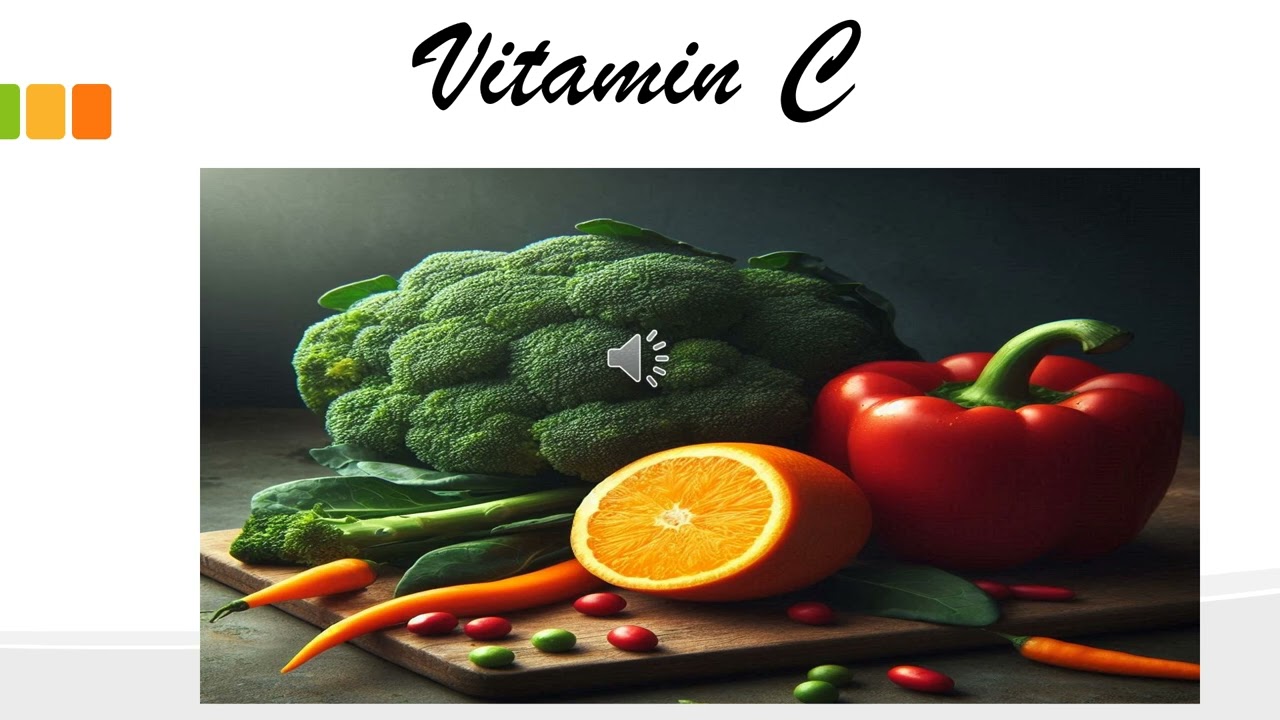
Uncover the Potent Benefits of Vitamin C!
Also known as ascorbic acid, is an essential nutrient that plays a crucial role in several bodily functions. Here are some key points about it:
1. Antioxidant: Vitamin C acts as an antioxidant, helping to protect cells from damage by free radicals.
2. Collagen Production: It’s essential for the synthesis of collagen, a protein that helps wound healing and maintains skin, blood vessels, bones, and cartilage.
3. Immune Support: Vitamin C supports the immune system, helping the body fight off infections and illnesses.
4. Iron Absorption: It enhances the absorption of non-heme iron (the type found in plant-based foods), improving iron status and preventing anemia.
Absorption Process
• Intake: When you consume vitamin C, it is absorbed in the small intestine.
• Transport Proteins: Special transport proteins, mainly SVCT1 (Sodium-dependent Vitamin C Transporter 1), are responsible for the uptake of vitamin C into the intestinal cells.
• Bioavailability: The absorption rate decreases as the amount of vitamin C intake increases. For example, at lower doses (30-180 mg/day), about 70-90% of the vitamin is absorbed. At higher doses (more than 1g/day), the absorption rate drops below 50%.
• Excretion: Because it’s water-soluble, any excess vitamin C is usually excreted through urine.
Factors Affecting Absorption
Several factors can influence how well your body absorbs vitamin C:
• Dietary Components: Foods high in fiber can slow down vitamin C absorption, while flavonoids, found in fruits like oranges and grapefruit, can enhance it.
• Health Conditions: Certain gastrointestinal disorders or issues like Crohn’s disease can affect absorption.
• Age: Absorption efficiency might decrease with age.
• Overall Nutrient Intake: A well-balanced diet can support better absorption of vitamin C and other nutrients.
Tips to Enhance Absorption
• Spread Out Intake: Rather than taking a large dose at once, consume smaller amounts throughout the day.
• Combine with Iron-Rich Foods: Vitamin C can enhance the absorption of iron, especially non-heme iron from plant sources.
Foods rich in vitamin C
Fruits
• Oranges: Classic and juicy, these are a powerhouse of vitamin C.
• Strawberries: These sweet berries pack a punch in both taste and nutrition.
• Kiwis: Small but mighty, kiwis are loaded with vitamin C.
• Papayas: This tropical fruit is not only rich in vitamin C but also in digestive enzymes.
• Guavas: One of the richest sources, with more vitamin C than oranges.
Vegetables
• Red Bell Peppers: These vibrant peppers are incredibly high in vitamin C, even more than citrus fruits.
• Broccoli: This versatile vegetable is a great source of many nutrients, including vitamin C.
• Kale: Leafy and nutritious, kale provides a good amount of vitamin C.
• Brussels Sprouts: These little green beauties are packed with vitamins and minerals.
• Spinach: Another leafy green that’s a fantastic source of vitamin C.
Additional Sources
• Tomatoes: Whether you enjoy them raw or cooked, tomatoes are a good way to get more vitamin C.
• Snow Peas: These crunchy delights are great in salads or stir-fries.
• Cantaloupe: A refreshing choice that’s full of vitamin C and great for hydration.
Incorporating a variety of these fruits and vegetables into your diet can help ensure you get your daily dose of vitamin C.
Which of these foods are your favorite?
checkout cooking with Safiya in the link below