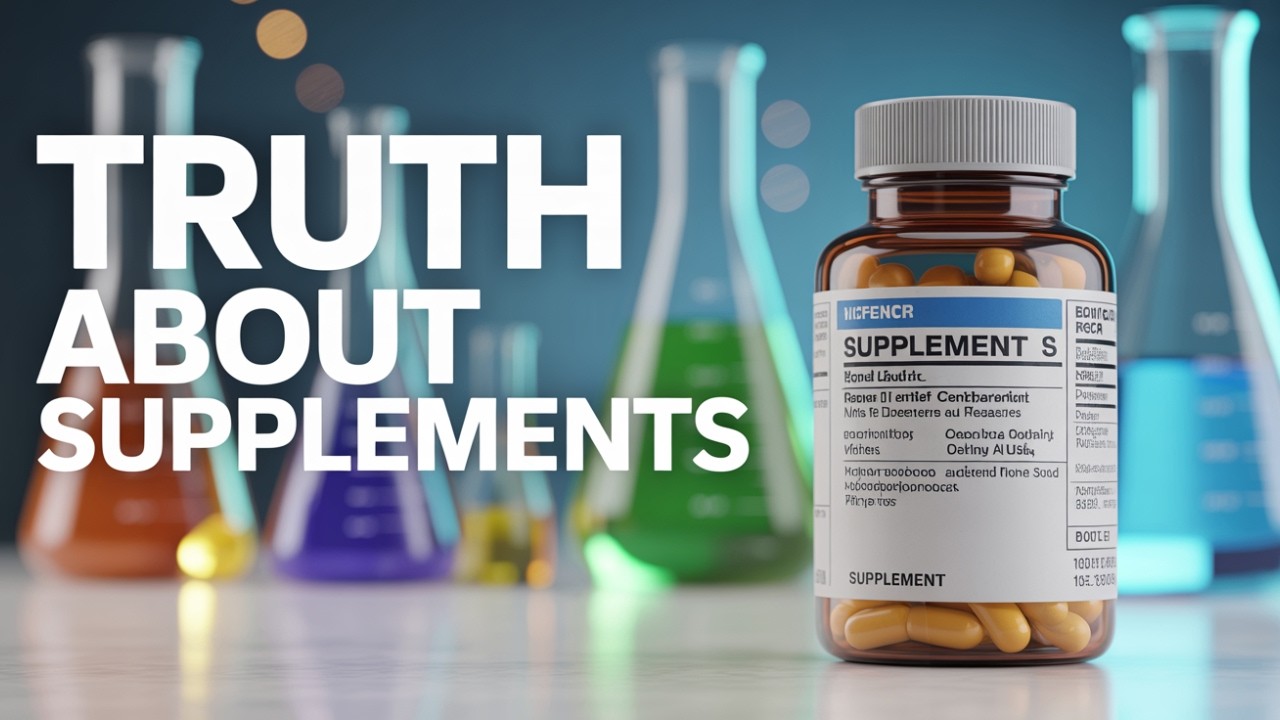
Decoding Supplements | The REAL Truth About Vitamins & Health Boosters 💊
Are dietary supplements essential, or are we just falling for clever marketing? In this science-backed deep dive, we uncover the TRUTH behind multivitamins, probiotics, omega-3s, vitamin D, collagen, iron, and more!
🔎 What You’ll Learn:
✔️ Latest supplement trends & global health statistics 📊
✔️ What actually works vs. misleading health claims ⚠️
✔️ Side effects, drug interactions & supplement risks 🚨
✔️ How to CHOOSE the right supplements—no more wasted money! 💰
✔️ Age-specific nutrition needs & science-backed recommendations
💡 Ideal for parents, fitness lovers, educators, and ANYONE serious about making smart wellness choices!
📢 Stop falling for myths—learn the evidence-based truth!
🔔 Subscribe now for trusted health education, expert supplement insights, and wellness tips!
🔥 Keywords :
#Supplements #Vitamins #HealthBoosters #Nutrition #Probiotics #Multivitamins #WellnessEducation #PublicHealth #DietarySupplements #Omega3 #Collagen #VitaminD #HealthFacts #ScienceOfWellness #HealthMyths #Fitness #SafeSupplements #HealthyLiving #MedicalResearch #HolisticHealth #WellnessGuide #HealthTrends #SmartNutrition #EvidenceBasedHealth #WellnessTips #DebunkingMyths
Decoding Dietary Supplements. What you need to know. Welcome. Today we’re diving into the complex world of dietary supplements. These products promise everything from enhanced energy to improved muscle growth. But what’s the real story? Supplements are big business, and it’s easy to get lost in the marketing hype. Our goal is to provide a balanced, evidence-based overview to help you make informed decisions. Dietary supplements are defined as products intended to supplement the diet. They contain vitamins, minerals, herbs, amino acids, and other substances. They come in various forms, including pills, powders, and liquids. It’s important to remember that supplements are regulated prescription drugs. The use of dietary supplements dates back thousands of years with ancient civilizations utilizing natural remedies to enhance health. In the modern era, the discovery of vitamins in the early 20th century revolutionized nutrition science. The dietary supplement health and education act disha of 1994 in the United States officially defined dietary supplements and established regulatory frameworks allowing for the proliferation of products containing vitamins, minerals, herbs, amino acids, and other dietary substances. Let’s talk about some regional statistics. Now, as per NIH, 77% of US adults report using dietary supplements. Most common supplements used includes multivitamins, vitamin D, vitamin C, omega3 with its market value worth USD 30.5 billion by 2025. Top user group includes adults aed 35 and 54. Australia, 66% of Australians use supplements daily, up from 34% in the previous year. Millennials lead usage due to social media influence with market value AUD 1.7 billion. Popular categories includes probiotics, multivitamins, collagen, turmeric. Asia-Pacific 41.97% global market share in 2023.2024 market size USD 74.64 64 billion and projected 2034 market size of USD 176.12 billion. Top countries includes China, India, Japan, South Korea with high demand for herbal supplements, probiotics and skin hair support. Europe 2024 market size of USD 34.23 billion projected by 2034 of USD 64.10 10 billion. As per government of Canada site, 455% of adults use at least one supplement. Common products included multivitamins, vitamin D, due to sunlight deficiency in winter. Some supplements can be beneficial for specific populations. For example, vitamin D is often recommended for those with limited sun exposure. Folic acid is crucial for pregnant women to prevent neural tube defects. Iron supplements can help individuals with iron deficiency anemia. Creatin is a well-ressearched supplement that can improve strength and power output in athletes. However, benefits are often specific to the individual and their needs. Fish oil. Recent studies indicate that fish oil supplements rich in omega-3 fatty acids like EPA and DHA can significantly lower triglyceride levels by more than 30% when taken at doses around 4 g. However, they may also increase LDL, bad cholesterol, in some individuals and have been associated with a higher risk of atrial fibrillation in those with heart conditions. Turmeric and black pepper. The combination of turmeric and black pepper has been shown to enhance the bioavailability of curcumin, turmeric’s active compound, by up to 2,000%. This duo may help combat inflammation and support metabolic health. However, high doses can cause gastrointestinal distress and interact with medications. Multivitamins. A large-scale analysis by the National Institutes of Health, NIH, found that daily multivitamin use in healthy adults is not associated with a lower risk of death, suggesting that obtaining nutrients from a balanced diet remains preferable for most individuals. It’s crucial to be aware of the potential risks. Supplements are not always tested for safety and efficacy to the same extent as medications. Some supplements can interact with medications leading to adverse effects. Always inform your doctor about any supplements you are taking. High doses of certain vitamins and minerals can be harmful. More isn’t always better when it comes to supplementation. While dietary supplements can offer health benefits, they also carry potential risks, especially when consumed in excess or without medical supervision. Vitamin A. Overconumption can lead to liver damage and bone fractures. Vitamin B6. High doses may cause nerve damage. Vitamin D. Excessive intake can result in kidney failure and irregular heartbeats. Fish oil may increase the risk of atrial fibrillation in individuals with heart conditions. Additives. Ingredients like magnesium sterate and aspartame commonly found in supplements have been linked to digestive issues and other health concerns. Common drug and supplement interactions. St. John’s wart and anti-depressants, SSRIs, SNRIs together can increase the risk of serotonin syndrome and can reduce drug effectiveness. When taken together, it induces liver enzymes, CYP 3A4, reducing blood levels of many medications, including anti-depressants, oral contraceptives, and anti-HIV drugs. Calcium and thyroid medications, levothyroxine, when taken together, can reduce the absorption of thyroid hormone. Therefore, take calcium at least 4 hours apart from levyrooxine. Vitamin K and warin can reduce the anti-coagulant effect when used together increasing the risk of clots formation as vitamin K opposes warin’s mechanism. Therefore, keep vitamin K intake consistent if on warferin magnesium or aluminum antacids with antibiotics for example tetracycans quinolones when used together can reduce antibiotic absorption. Therefore, separate their doses by at least 2 four hours. Fish oil omega-3 with anti-coagulants for example warferin aspirin causes increased bleeding risk. Therefore monitor closely or avoid high doses without medical advice. Iron supplements taken with proton pump inhibitors for example om prazolei causes poor iron absorption because iron requires stomach acid for absorption which PPIs reduce. Melatonin and sedatives or anti-hypertensives can cause excessive drowsiness or increased blood pressure effects. Therefore, use cautiously and avoid driving after use. Ginoalloba taken with NSADs or anti-coagulants can increase the risk of internal bleeding, for example, stomach and brain. Therefore, avoid using together without physician approval. Vitamin E with blood thinners can enhance anti-coagulant effect causing higher bleeding risk as vitamin E can affect platelet aggregation. Potassium supplements taken with ACE inhibitors or ARBs for example linenoprial loartin increases hypercalemia high potassium leading to cardiac issues. Therefore use only if prescribed and monitor potassium levels regularly. Consult healthare providers before starting any supplement regimen, especially if you have underlying health conditions or are taking other medications. Prioritize whole foods. Aim to meet nutritional needs through a balanced diet rich in fruits, vegetables, whole grains, and lean proteins. Be cautious with dosages. Avoid exceeding recommended dosages as more is not always better and can lead to adverse effects. Choose reputable brands. Select supplements from trusted manufacturers that adhere to quality standards and have transparent labeling. Stay informed. Keep up to date with the latest research and guidelines regarding dietary supplements to make informed decisions about your health. Do your research before trying any new supplement. Look for products that have been third party tested for purity and potency. Be wary of exaggerated claims and miracle cures. If it sounds too good to be true, it probably is. Consult with a health care professional or registered dietitian. They can help you determine if a supplement is right for you and your individual needs. Supplements can play a role in supporting overall health, but they are not a substitute for a balanced diet and healthy lifestyle. Approach them with caution and a critical eye. Remember to prioritize whole foods and consult with experts. Making informed choices is key to optimizing your health and wellbeing.