Want to boost your memory but overwhelmed by supplement hype? In this video, I share 5 science-backed brain supplements that actually support memory—and 3 to avoid. You’ll also learn how to choose quality products, when to test for deficiencies, and how to build a supplement plan that works.
SHOP THE MENTAL WELLNESS STORE https://mentalwellnessspace.store/
GET YOUR FREE SELF-COMPASSION GUIDE to help replace critical self-talk. http://SelfTalkHelp.com
GET MY ANXIETY BOOK https://amzn.to/3vWdJAX
MY AMAZING VIDEO EDITOR https://www.5filmsmedia.com/contact (this is not an affiliate link but a resource. I’ve had a long relationship with Ruslan and his company, so use my name and he will hook you up! 😊 You can tell him I said that)
WANT TO START IN THERAPY? Here’s a convenient and affordable option with my sponsor BetterHelp
https://Betterhelp.com/drmarks
For a monthly fee, you get a REAL licensed therapist with whom you can meet weekly by phone, video or chat. You can also send daily messages.
For a full review of the service, watch this video https://youtu.be/kDs9HxGnyxw
If you use this link you will get a 10% discount on your first month. https://betterhelp.com/drmarks This is an option I’ve researched. I get a referral commission if you sign up.
References
Külzow, Nadine et al. “Impact of Omega-3 Fatty Acid Supplementation on Memory Functions in Healthy Older Adults.” Journal of Alzheimer’s disease : JAD vol. 51,3 (2016): 713-25. doi:10.3233/JAD-150886
Nakazaki, Eri et al. “Citicoline and Memory Function in Healthy Older Adults: A Randomized, Double-Blind, Placebo-Controlled Clinical Trial.” The Journal of nutrition vol. 151,8 (2021): 2153-2160. doi:10.1093/jn/nxab119
Uwitonze, Anne Marie, and Mohammed S Razzaque. “Role of Magnesium in Vitamin D Activation and Function.” The Journal of the American Osteopathic Association vol. 118,3 (2018): 181-189. doi:10.7556/jaoa.2018.037
Want to know more about mental health and self-improvement? On this channel I discuss topics such as bipolar disorder, major depression, anxiety disorders, attention deficit disorder (ADHD), relationships and personal development/self-improvement. I upload weekly. If you don’t want to miss a video, click here to subscribe. https://goo.gl/DFfT33
Disclaimer: All of the information on this channel is for educational purposes and not intended to be specific/personal medical advice from me to you. Watching the videos or getting answers to comments/question, does not establish a doctor-patient relationship. If you have your own doctor, perhaps these videos can help prepare you for your discussion with your doctor.
Have you ever walked into a room and
completely forgotten why you were there? Or maybe you noticed that your memory
isn’t as sharp as it used to be. You’re not alone. These moments happen to all of us,
but they can feel more frequent when we’re tired, stressed,
or just stretched thin. So it’s no surprise
that many people turn to supplements hoping for that little extra mental edge. But how do you know what actually works? Today, I’m
going to walk you through five supplements that have real science behind them
for supporting memory, and also share three
that may not be worth your time or money. I’m Dr. Tracey Marks, a psychiatrist,
and I make mental health education videos to strengthen your mind,
fortify your brain, and build resilience. And one way to do that is by understanding
how nutrition and supplements impact cognitive health. Let’s start with a quick reminder of why
memory is important. Memory isn’t just about remembering names
or where you left your keys. It’s essential for learning focus
and emotional regulation, even decision making. When your memory functions
well, you’re more adaptable, more efficient,
and better equipped to handle challenges. And while sleep, exercise, and nutrition
form the foundation of brain health, the right supplements can provide
extra support if you choose wisely. So let’s look at the top
five supplements for memory support. Number one, omega
three fatty acids, specifically DHA and EPA, omega three fatty acids. And the two types DHA and EPA, play
a major role in brain health. DHA in particular, makes up about 30%
of the fat content of your brain. It’s essential for maintaining flexibility
and function of brain cell membranes, which affects how well your neurons
communicate with each other. On the other hand, EPA helps regulate
inflammation in the brain and something that, when left unchecked, can interfere
with memory and focus over time. Multiple studies have shown that people with higher omega-three levels tend to perform better on memory tasks and experience
slower cognitive decline with age. One meta-analysis,
published in the “Journal of Alzheimer’s Disease”,
found that omega-three supplements significantly improved memory in adults
with mild memory complaints. The most effective daily dose
appears to be between 1000 and 2000 mg of a combination of DHA and EPA, with a higher proportion of DHA
for the memory support. If that’s your goal,
you can get omega-threes from fatty fish like salmon, sardines and mackerel, but it’s hard to maintain a consistent
intake through diet alone. And that’s where supplementation can help. If you choose to supplement quality
matters, look for products that clearly state the exact amount of DHA and EPA
and not just, say, fish oil. Also, choose ones that are molecularly
distilled to remove contaminants like mercury and chemical residues
like PCBs. Also, opt for the triglyceride form
over the ethyl ester form. Your body absorbs it more efficiently. Now, if you follow a plant- based diet, you’re probably wondering:
is there an option for me? And yes, there is algae
oil supplements or vegan friendly and they’re a source of DHA
and EPA as well. Just know, though,
you’ll typically need a higher dose of algae oil to match the effectiveness
of the fish oil. So it’s even more important
to check the label for how much DHA and EPA
you’re actually getting. Number two citicholine, also called CDP-choline. This compound helps your brain produce
acetylcholine, a neurotransmitter essential for learning,
attention, and short-term memory. But that’s not all. It also helps support energy metabolism,
which is how your brain generates and uses energy to stay focused,
especially during long periods of thinking or problem
solving. Citicholine is one of the few supplements
that has been used as a prescription medication in Europe
and Japan to treat cognitive impairments, including those caused by stroke or age
related decline. But in the U.S., it’s
sold as an over-the-counter supplement. Research suggests
that citicholine supplementation can improve memory support and overall
cognitive performance, particularly in older adults with memory
deficits or mild cognitive impairment. Some studies have also shown improvements in attention
and recall when it’s taken consistently. In terms of dosing,
the effective range is typically between 250 and a thousand milligrams per day. Higher doses have been studied
for specific medical conditions, but for general cognitive support, most
people fall within that standard range. It’s pretty well tolerated, and side
effects are rare, but some people may experience
mild stomach discomfort or a headache
when they first start taking it. Number three is vitamin D. Most people think of vitamin
D as important for bone health, but it also plays a vital role in brain
function. Vitamin D receptors are located
throughout the brain, including areas responsible
for memory, focus, and mood regulation. Low levels of vitamin D have been linked
to poor memory performance, slower processing speed, and even increased
risk of cognitive decline in older adults. It also helps regulate key
neurotransmitters like dopamine and serotonin, which affect both emotional
stability and cognitive clarity. One noteworthy thing, though, about
vitamin D is how common the deficiency is. Some studies
estimate that up to 40% of Americans don’t get enough vitamin D,
and if you’re among them, supplementation could make a real difference
in your cognitive performance. Before jumping into a supplement, it’s
ideal to get your blood levels tested. If you are deficient, your health care provider may recommend
higher doses like 5000 international units a day
or more to bring your levels up initially. After that,
most people maintain with a daily dose. Between 1000 and 2000 international units. When choosing a supplement,
go with vitamin D3, not D2. D3 is generally better absorbed
and more effective at raising and maintaining your vitamin
D levels. And here’s one more important tip
your body needs magnesium to activate vitamin
D without enough magnesium. You may not fully benefit
from your supplement, so if you’re supplementing with vitamin D,
it’s a good idea to make sure your magnesium intake
is adequate, either from your diet
or from a separate supplement number. For the B vitamins, specifically B6, B9, which is folate and B12. These three
B vitamins work together to support brain function
and protect against cognitive decline. One of their key roles is helping lower
homocysteine levels, which is a compound that, when elevated, can damage
blood vessels in the brain and is associated with memory problems
and age related decline. Vitamin D is especially important. Even mild deficiencies
can lead to symptoms like forgetfulness, brain fog,
or even mood changes. And here’s
the thing: B vitamin deficiencies become more common as we age,
particularly vitamin B12. And that’s because B12 needs stomach
acid for proper absorption, and stomach acid levels
naturally decline in many older adults. Vegetarians and vegans
are also at a higher risk of B12 deficiency, since it’s found
primarily in animal products. If you fall into either
one of these groups, it’s worth paying closer attention to your intake
or talking with your doctor about testing. When choosing a supplement,
look for the methylated forms methylfolate for B9
and methylcobalamin for B12. These forms are more bioavailable, meaning your body can absorb
and use them more efficiently. And this is especially relevant
if you have a cosmic genetic variations that affect how you process
synthetic forms like folic acid or cyanocopolymer. Number five magnesium L-threonate. Magnesium plays a role
in hundreds of processes in the body, but when it comes to brain health, not all
forms are created equal. What makes magnesium
L-threonate unique is that it’s the only form that’s shown to effectively
cross the blood-brain barrier. That means it can actually raise
magnesium levels inside the brain, and that’s where it matters
most for memory and cognitive support. This form of magnesium has been shown
to enhance neuroplasticity, which is your brain’s ability
to form new nerve connections. Neuroplasticity is important for learning, adapting to change, and holding on
to new information over time. Some studies have also found improvements
in working memory and long term
recall in older adults. Taking magnesium
L3 and eight consistently, the effective dose is typically between
1500 and 2000 mg per day, which provides about 144 mg
of elemental magnesium. That’s the actual magnesium
that your body uses. Since the total capsule weight
includes the L-threonate compound. Other forms of magnesium, like citrate
or glycinate, can be helpful for muscle relaxation, sleep,
or digestion, but they haven’t been shown to significantly increase
magnesium levels in the brain. So if your goal is to support memory
and mental clarity, magnesium-Lthreonate is the one to look for. Because magnesium
can have a calming effect, many people find it helpful
to take the supplement in the evening. It may also support deeper sleep,
which plays an important role in memory consolidation. Now, let’s shift gears for a moment
and talk about a few supplements that are either overhyped, under-researched,
or just not worth your investment, especially if your goal is to improve
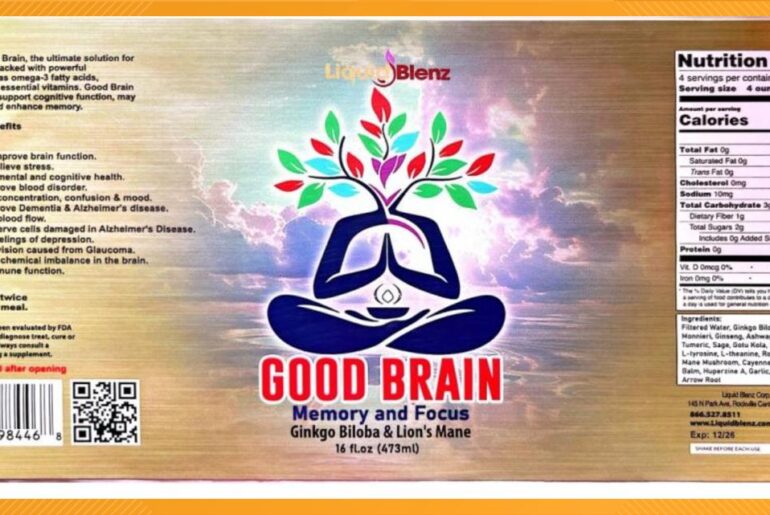
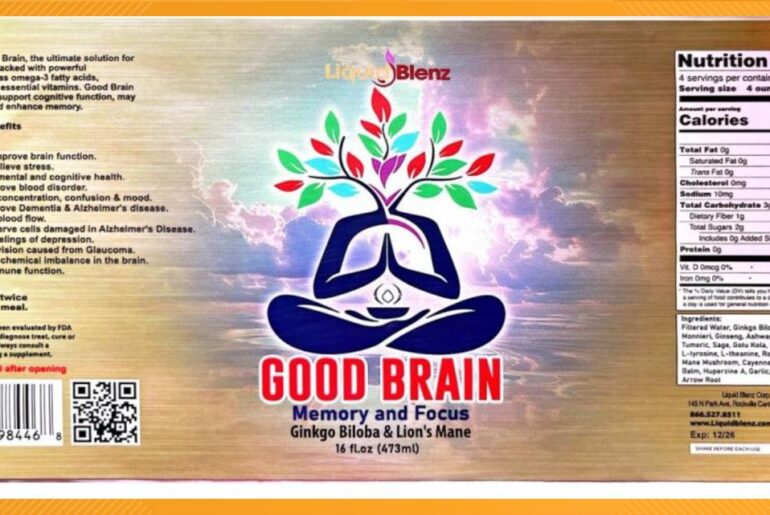
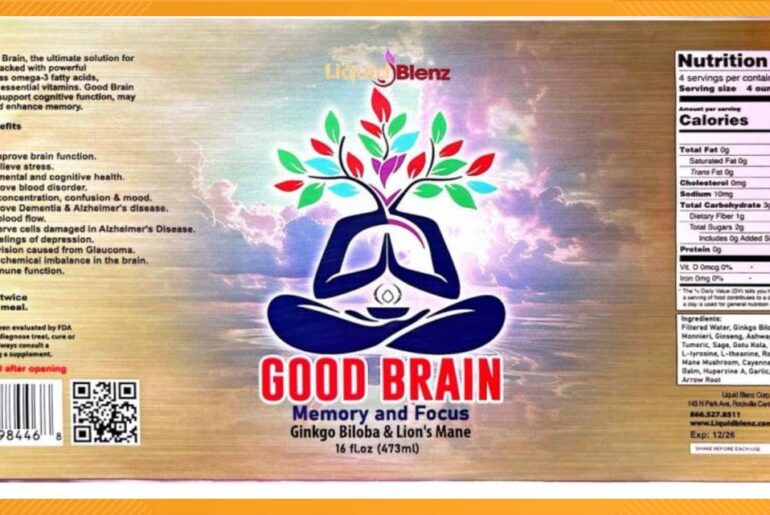
your memory. First up is Ginkgo biloba. This supplement has been around
for decades and was once heavily marketed as a memory booster,
especially for older adults. But more recent large scale
studies have shown inconsistent results, and in healthy adults
without any cognitive decline. The benefits are minimal at best. Additionally,
ginkgo can interact with blood thinners and other medications, potentially
increasing the risk of bleeding. So when you weigh the limited evidence
against the possible side effects, it’s clear there are better, safer options
for supporting memory. Second is proprietary Brain Boost blends. You’ve probably seen these,
the ones with a long scientific sounding ingredient lists and big claims
about mental clarity or sharper focus. The problem is, many of these blends don’t
disclose the exact amount of each ingredient
that makes it impossible to know whether you’re actually
getting a meaningful dose. A lot of these products
use a tactic called fairy dusting, and that’s where they include small traces
of impressive ingredients like a Copa Mo’ne Aerie or Lion’s Mane Mushroom just
so that they can list them on the label. But the actual dose is far below
what research shows is effective. So instead of these mystery blends,
look for products that clearly list each ingredient with the exact dose
so you can compare it to what’s been used in clinical studies. That’s how you can separate science
from the hype. And then third is high caffeine
nootropics stacks. Nootropics are substances
that aim to enhance brain function
like focus, memory, or mental clarity. But many of these products rely heavily on caffeine
to deliver that quick, noticeable boost. These products are often sold as stacks,
which just means it’s a combination of ingredients
designed to work together. In this case, it’s usually caffeine,
plus other stimulants or exotic compounds. While caffeine contemporarily
improve alertness, it’s not a true memory enhancer,
and when it starts to interfere with your sleep, which is often the case,
it can actually impair your memory consolidation, which is the process
your brain uses to store new information. That big energy spike might feel like
it’s improved brain performance. But over time,
it comes with diminishing returns like jitteriness or racing heart
or poor sleep are common side effects, and ironically, those things
worsen memory and focus over time. So if you’re looking for
a sustainable support for your brain, it’s best to skip the stimulant
heavy stacks and focus on nutrients that actually support the structure
and long term function of your brain. So how should you actually approach
supplements for memory support? Let’s talk
about how to take all of this information and apply it in a way that makes sense
and gets results. Start with the basics
before adding any supplements. Make sure your foundation is solid. That means having a nutrient rich diet,
physical activity that’s regular and quality sleep, and some kind of stress
management practice as well. Supplements work
best when they’re supporting a healthy lifestyle,
not to compensate for an unhealthy one. Then consider testing for deficiencies. And this is especially important
for vitamin D and vitamin B12. If you’re low in either one,
correcting that deficiency can make a big difference
in how your brain functions. Your health care
provider can order those tests and help interpret the results for you,
so you can know where you stand. You want to add supplements one at a time. If you start multiple things at once, it’s
hard to know what’s actually helping. So give each supplement
a few weeks, ideally a full month, before adding something new. That way, you can clearly see
what’s working and what’s not. Another thing you should do
is track your results. Rather than going off a vague sense of
I think I feel better. Try observing specific changes. And that might mean noticing
how often you forget things, or how long it takes for you
to find words, or even using simple brain training apps that track focus or memory
performance over time. You also want to choose high
quality products. Look for supplements that are third
party tested by organizations like USP, NSF, or Consumer Lab. These seals don’t guarantee results,
but they do tell you that the product contains what it claims
it does and is free from contaminants. And finally, be patient. Brain changes take time. Most of the studies showing real benefits from these supplements
lasted at least 3 to 6 months. So don’t expect
dramatic overnight improvements. The goal here is gradual, sustainable
support for your cognitive function. In our next video,
we’re going to zoom out and talk about how food itself changes
your brain chemistry. We’ll look at which nutrients
actually shift your neuro transmitters and how you can know
when it’s time to supplement. If you found this video helpful,
let me know in the comments! Have you tried any of these supplements
and if so, what’s been your experience? Make sure you subscribe
so that you don’t miss the next video. Thanks for watching today.
I’ll see you next time.