
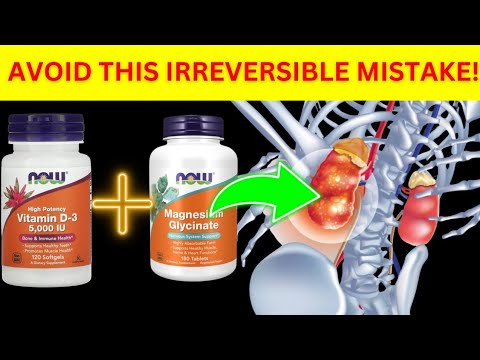
Millions are trying this popular Vitamin D hack to boost immunity, strengthen bones, and fight fatigue — but what if it’s actually doing more harm than good?
In this eye-opening video, we reveal how this trendy Vitamin D shortcut might be backfiring on your health, especially if you’re over 40 or dealing with fatigue, muscle pain, or poor sleep. Discover the surprising truth behind this so-called “health hack” and what you should be doing instead to make your Vitamin D work effectively — without sabotaging your body.
✅ Learn the real science behind Vitamin D absorption
✅ Common mistakes people make with supplementation
✅ Key nutrients that must be balanced for Vitamin D to work
✅ Warning signs your Vitamin D strategy is failing
If you’ve been feeling worse despite taking more Vitamin D, this video might just explain why.
🔔 Don’t forget to like, subscribe, and turn on notifications so you never miss vital health insights like this one!
#VitaminD #HealthHacks #SupplementMistakes #FatigueFix #immunesupport
Medical Disclaimer:
1. The contents of the video and its partner articles and websites, including all text, graphics, images, and other material contained on the channel are strictly for informational purposes only. The Content is NOT intended to be used as a substitute for professional medical diagnosis, advice, or treatment. Please ALWAYS seek the advice of a physician or other qualified health provider with all questions that you have related to or about, a medical condition. Never ignore professional medical advice or delay getting medical advice because of something that you have watched on YouTube.
2. If you think you may have a medical emergency call 911 immediately.
3. Wellness Bubble does not endorse or recommend any specific tests, physicians, products, procedures, opinions, or other information that may be mentioned in our videos. Relying on any information that is provided by Wellness Bubble, its employees, or others appearing in the content is solely at your own risk.
Vitamin D is one of the most important nutrients for the human body. It’s actually more like a hormone than a vitamin. It plays a critical role in immunity, brain function, heart health, and even bone strength. And when your body doesn’t get enough of it, things can spiral out of control fast. We’re talking about a higher risk of heart disease, kidney damage, dementia, serious depression. The list goes on. The scary part, study after study confirms that a vast majority of people around the world, especially adults, are chronically deficient in vitamin D. And because of that, it’s become one of the most heavily supplemented vitamins today. But here’s where it gets dangerous. A lot of people have heard that just 10 to 15 minutes of sun can give you up to 10,000 IU of vitamin D, which is true in theory, but it’s also led many to abuse it, overs supplement, or follow advice that sounds helpful, but actually causes more harm than good. So, in this video, we’re going to break down six popular vitamin D hacks that are backfiring. Some of them can quietly damage your kidneys, disrupt your heart rhythm, or trigger dangerous calcium buildup in your body. Before we dive in, please hit the like button and subscribe to the channel. It helps this video reach more people who really need to hear this. Without further ado, let’s get started. One, taking large dose of vitamin D weekly rather than splitting it daily. One of the most serious and overlooked mistakes people make with vitamin D supplementation is taking extremely large doses once a week instead of smaller consistent amounts daily. It’s surprisingly common to see people take 30,000 or even 50,000 IU of vitamin D3 in a single weekly dose thinking it’s a more convenient way to meet their needs. But this approach, while popular, can silently backfire and the science is clear on why it’s not the safest or most effective way to supplement. Vitamin D is a fats soluble compound, meaning it gets stored in body fat and builds up over time. When someone takes a massive dose all at once, it causes an unnatural spike in blood vitamin D levels. This sudden influx can lead to a rapid increase in calcium absorption, which may result in high blood calcium levels known as hypercalcemia. This condition is dangerous and can lead to symptoms like nausea, fatigue, frequent urination, confusion, kidney strain, and even heart rhythm disturbances in some cases. Beyond the risk of toxicity, these big infrequent doses simply don’t mimic how vitamin D is naturally produced in the body. Normally, when we’re exposed to sunlight, our skin makes small amounts of vitamin D each day, not massive surges once a week. That’s why researchers now believe that daily dosing is not only safer, but actually far more effective. Several major studies back this up. One clinical trial published in Jamba Internal Medicine found that older adults who received large monthly doses of vitamin D actually had a higher risk of falling than those who took lower consistent daily doses. The high doses seem to disrupt neuromuscular control and balance, making falls more likely. Another study published in the New England Journal of Medicine showed that elderly women given 100,000 IU of vitamin D once a month had a higher risk of fractures than those on more moderate daily regimens. These findings directly challenge the idea that more is better when it comes to vitamin D. So, what’s the better approach? For most people, especially those with a deficiency or limited sun exposure, taking 5,000 to 10,000 IU per day is a much safer and more effective strategy. Daily supplementation helps maintain stable blood levels of vitamin D, supports immune function, regulates calcium properly, and avoids the dangerous spikes that come with bololis dosing. Two, believing more is better without adjusting for body size or fat levels. Another common mistake people make with vitamin D is falling into the trap of believing that more is better without considering their own body size, weight, or fat levels. Many people jump on the bandwagon of taking 10,000 IU of vitamin D3 daily simply because they see others doing it online in forums or on social media. It becomes a trend and people assume that if it works for someone else, it must work for them, too. But vitamin D supplementation is not a one-sizefits-all solution, and blindly copying high doses can be dangerous. What many don’t realize is that how much vitamin D you actually need depends on several factors including your body weight, body fat percentage, genetics, lifestyle, and even age. For example, someone who is overweight or obese may need a higher dose because vitamin D gets trapped in fat tissue, making it less bioavailable. On the other hand, if you’re lean or have a healthy body weight, taking 10,000 IU every day might push your levels too high over time and lead to toxicity, especially if you’re not monitoring your blood levels. That’s why experts recommend personalizing your dose instead of blindly copying what influencers or friends are taking. It’s much smarter to get your vitamin D levels tested and adjust your dosage accordingly. For many people, a daily dose of 2,000 to 5,000 IU is perfectly adequate, especially when paired with the right co-actors. In fact, studies show that even doses as low as 2,000 to 4,000 IU daily can effectively raise and maintain blood levels in most people when taken consistently over time. Three, taking calcium supplements with D3 without balance. The next serious mistake people make when taking vitamin D3 is combining it with calcium supplements without considering balance. This is especially common among those trying to protect their bones. They take high doses of vitamin D3 thinking it will help with calcium absorption and then add calcium supplements on top of that, assuming it’s a smart way to prevent osteoporosis or bone loss. But this combination, when done without the right support nutrients, especially vitamin K2, can actually cause more harm than good. Here’s why. Vitamin D3 enhances the absorption of calcium from the gut. That’s a good thing if your body needs it. But if you’re also taking calcium supplements and you don’t include enough K2, that calcium can be deposited in the wrong places. Instead of going to your bones, the calcium may start building up in your arteries, joints, or kidneys. This raises the risk of arterial calcification, kidney stones, and even heart disease over time. Even more surprising, most people don’t actually need calcium supplements at all if they’re eating a reasonably balanced diet. Leafy greens, almonds, sardines, sesame seeds, tahini, and dairy products provide plenty of calcium for the average person. Unless you’ve been specifically told by your doctor that you’re deficient, adding extra calcium to your stack is usually unnecessary and potentially harmful if done without the proper balance. Four, ignoring key co-actor nutrients. Many people make the mistake of overlooking some of the key supporting nutrients when supplementing with vitamin D. People often assume that just taking D3 is enough. But vitamin D doesn’t work in isolation. It relies heavily on several key nutrients to be absorbed, activated, and safely utilized in the body. The three most critical ones, magnesium, vitamin K2, and zinc. Let’s start with magnesium. It plays a vital role in converting vitamin D into its active form, calcitrial, which is the form your body actually uses. Without enough magnesium, vitamin D remains stored and inactive, meaning you could be taking high doses but still feel no benefit. Even worse, low magnesium levels can increase your risk of vitamin D side effects like heart palpitations, muscle cramps, anxiety, and elevated calcium levels. Next is vitamin K2, which we already touched on earlier. K2 is crucial because it ensures that the calcium vitamin D helps absorb goes into your bones and teeth, not your arteries or kidneys. Think of vitamin D as opening the door for calcium and K2 as the traffic controller, making sure it gets to the right destination. Then there’s zinc, another underrated co-actor. Zinc helps regulate the function of vitamin D receptors in your cells. It also plays an important role in immune function, hormone balance, and inflammation control, many of the same areas vitamin D supports. If you’re deficient in zinc, your body may not respond properly to vitamin D, even if your blood levels appear normal. Five, taking vitamin D with the wrong meal. It’s a common misconception that you can take vitamin D3 with just any food and still get all the benefits. But in reality, taking vitamin D with the wrong type of meal can drastically reduce how much your body absorbs. And that means you’re wasting your supplement without even realizing it. Vitamin D3 is fat soluble, which means it needs dietary fat to be properly absorbed into the bloodstream. So, if you’re taking your D3 supplement with a light breakfast of fruit, dry toast, black coffee, or juice, chances are most of it is passing right through your system with very little benefit. One study published in the Journal of Bone and Mineral Research found that when people took vitamin D with a fat containing meal, their absorption increased by over 30 to 50% compared to those who took it with a fat-free meal. That’s a huge difference. The type of fat matters, too. Healthy fats from foods like avocados, eggs, olive oil, nuts, full fat yogurt, or even fatty fish provide the perfect environment for vitamin D absorption. So instead of taking your supplement with a quick low-fat snack, pair it with a proper meal that includes some good quality fat. Six, mega dosing without routine medical checkup. This is perhaps the most dangerous mistake of all when it comes to vitamin D supplementation. Mega dosing without routine medical checkups. Many people driven by online advice or self- diagnosis start taking very high doses of vitamin D3 10,000 20,000 even 50,000 IU daily without ever checking their blood levels or consulting a health care professional. And while their intention might be good, the consequences can be incredibly serious. Vitamin D toxicity is rare, but it’s real and it doesn’t happen overnight. When you take large doses for weeks or months without monitoring, vitamin D builds up in your fat stores and slowly raises calcium levels in your blood. What makes it especially dangerous is that many of these symptoms are subtle at first. People don’t immediately connect their fatigue, brain fog, or frequent urination to their vitamin D intake until a blood test reveals dangerously high levels of both vitamin D and calcium. In one well doumented case published in CJ, the Canadian Medical Association Journal, a man developed severe kidney damage after taking 8,000 to 12,000 IU of vitamin D daily for months without medical supervision. He believed he was doing something good for his health, but the lack of testing led to serious consequences. That’s why experts strongly recommend routine blood work, especially if you’re taking more than 4,000 IU of vitamin D daily. A simple 25 OD test can help determine whether your levels are too low, just right, or climbing dangerously high. Know that the possibility of overdosing vitamin D goes even lower when you also take it with vitamin K2 and magnesium. But still go for routine checkup if you are using large doses. So, as you’ve seen, vitamin D isn’t just another supplement. It’s a powerful hormone-like nutrient that can either heal or harm depending on how you use it. While it’s true that many people are deficient and need to supplement, it’s equally true that the wrong approach can silently damage your kidneys, heart, and overall health over time. If you’re already supplementing with vitamin D or planning to start, don’t fall for the popular hacks that sound smart but actually backfire. Always focus on balance, not just dosage. Pay attention to co-actors like magnesium, K2, and zinc. Take it with the right type of meal. Avoid mega dosing without medical supervision. And most importantly, listen to your body and get your levels checked. If you found this video helpful, please take a second to hit the like button and subscribe to the channel if you haven’t already. It helps more than you know and it helps us keep sharing valuable health information with people who really need it. Thank you so much for watching. Stay safe, stay informed, and I’ll see you in the next video.