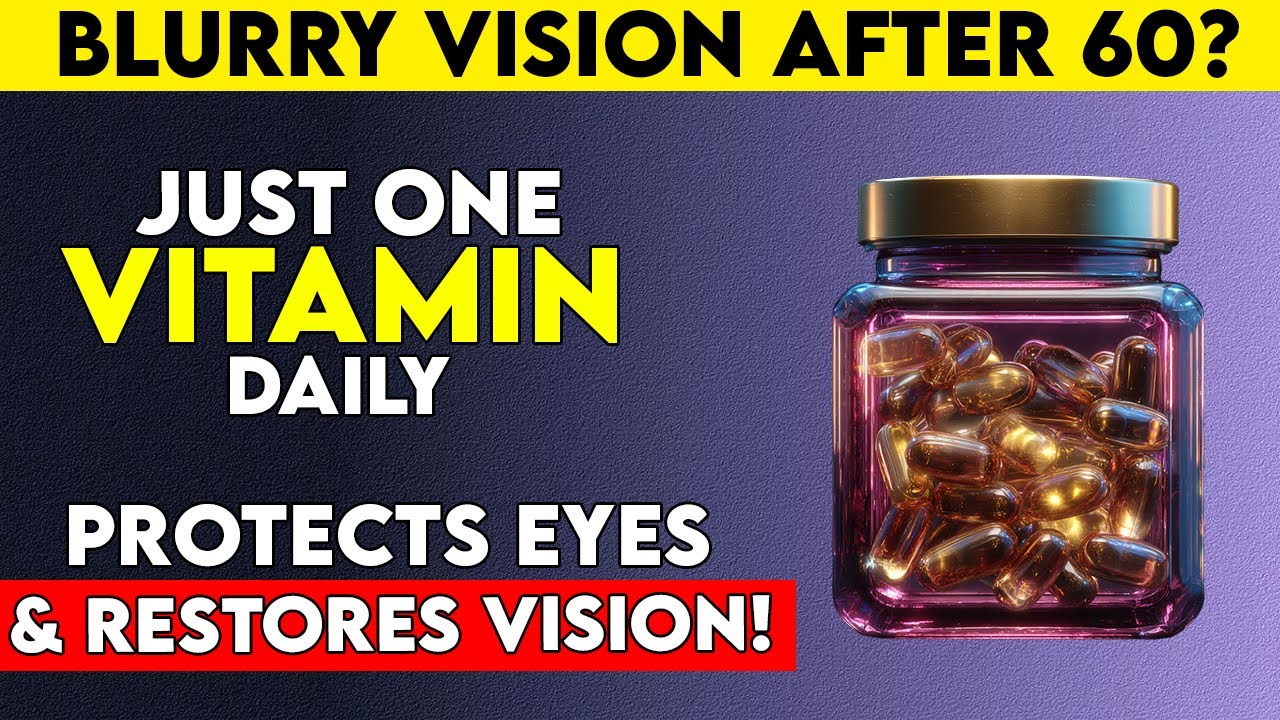
Are your eyes getting blurrier after 60?
Do lights feel too harsh, or reading words seems harder than before?
You’re not alone — and no, it’s not just “getting older.”
Vision loss often begins quietly… and most seniors don’t even know they’re missing the right nutrients.
In this video, Dr. James Porter shares 3 essential vitamins that can help protect your eyes — especially after 60.
🟣 Support your retina and sharpen central vision
🟣 Prevent dryness and reduce age-related inflammation
🟣 Defend against cataracts and macular degeneration
🟣 All-natural, no pills — just real food and real results
Thousands of seniors are already adding these vitamins to their daily meals.
Now it’s your turn to protect your vision — starting with the next bite.
👍 Like this video if you care about your eye health
📩 Share it with a loved one who’s squinting more often
💬 Comment “VISION” if you’re ready to try these vitamins
🔔 Subscribe to Senior Health Secrets for more natural health tips from Dr. James Porter
#seniorhealth #HealthyAging #Seniorhealthtips #SeniorNutrition #ElderlyCare #seniorwellness #seniordiet #SeniorVision #Cataracts #EyeHealth #NaturalRemedies #Over60 #AgingEyes #seniorhealthsecrets
I’m Dr. James Porter. I’ve spent more than 30 years helping older adults take control of their health. And one problem I see again and again is this. People over 60 quietly losing their eyesight and not understanding why. Not going blind, but things just aren’t as clear anymore. Reading small print is harder. Street signs at night look blurry. You need brighter lights just to see clearly at home. You might think this is just normal aging, but here’s the truth. Most of this happens because your eyes aren’t getting the nutrients they need. Yes, you heard that right. The real reason many older adults struggle with weak, tired eyes is because they’re missing key vitamins. This isn’t something most eye doctors talk about. They check your glasses, maybe give you eye drops, but no one says your eyes are slowly breaking down because they don’t have the right fuel. By the time symptoms show up like dry eyes, cloudy vision, poor night sight, your eyes have already been under stress for years. And conditions like cataracts, glaucoma, or macular degeneration don’t just appear overnight. They build up slowly when your eyes don’t get proper care on the inside. But here’s the good news. This isn’t permanent. It can be slowed down. In many cases, it can even improve. You don’t need expensive treatments. You don’t need surgery. Your eyes simply need the right support. And that support starts with three essential vitamin backed by research. Easy to find and often overlooked in daily meals. In the next few minutes, I’ll walk you through exactly what these three vitamins are, how they protect your vision, and where to get them from the foods you already eat. If you’re new here, welcome to the Senior Health Secrets channel. I invite you to hit subscribe so you don’t miss simple sciencebacked advice like this made just for older adults like you. Let’s begin with the first and most powerful vitamin your eyes may be missing. If you’re over 60 and your eyes feel weaker at night, if driving after dark has become uncomfortable or if your vision takes longer to adjust when you walk into a dim room, you may be missing something. Critical vitamin A. This isn’t just a general immune vitamin for your eyes. Vitamin A is one of the most important nutrients you’ll ever need. Your retina, specifically the rod cells responsible for low light vision, requires vitamin A to make a light sensitive protein called rodopsin. Rodopsin acts like your eyes internal switch. It allows you to see when light levels drop. Without enough of it, your vision becomes slow, unresponsive, and unstable in dim environments. But that’s not all. Vitamin A also supports the thin outer layer of your eye called the corial epithelium. This layer is your first line of defense against dryness, irritation, and environmental damage. When your vitamin A levels are low, this protective surface begins to break down. That’s why many seniors experience dry eyes, burning sensations, or an inability to produce enough tears. So, if your eyes feel tired, dry, or unreliable in the evening, it’s very likely your body isn’t getting the support it needs. I remember a patient named Alan He was 69 when he came to see me. He told me, “Doc, I can see okay during the day, but at night it’s like someone turned the contrast down.” He avoided going out after sunset, not because he didn’t want to, but because he didn’t feel safe. When I looked at his diet, I saw the issue right away. His meals were mostly processed. Not a single food in his routine offered real bioavailable vitamin A. So, I walked him through a simple plan. First, I had him include one serving of beef liver per week. Just a small 3 oz portion about the size of a deck of cards was more than enough. For those who don’t enjoy liver, I often recommend chicken liver or even a highquality cod liver oil supplement under supervision. Second, I told him to start his mornings with two eggs. Not just the whites, but the full yolks. Egg yolks contain a more absorbable form of vitamin A along with healthy fats that help the body use it properly. Third, I ask him to add half a cup of cooked carrots or sweet potatoes to his lunch or dinner at least 4 days a week. Orange vegetables like these are rich in beta carotene, which your body converts into vitamin A. But the key is pairing them with a little healthy fat like olive oil or avocados. They’re absorbed better. He also began eating sauteed spinach twice a week, which helps round out both vitamin A and other eye protecting antioxidants. 6 weeks later, Allan returned to my office. He wasn’t glowing or exaggerating. He was steady, calm, and simply said, “I drove home at night last week, and it felt normal.” That’s the power of restoring what the body is quietly missing. Now, if you’re wondering how to bring more vitamin A into your meals, start with real natural foods. Seniors can benefit from small amounts of beef or chicken liver once a week, one or two whole eggs per day, and regular servings of orange vegetables like carrots, pumpkin, and sweet potatoes. Cooked spinach, kale, and collarded greens are also excellent sources, especially when lightly sauteed with healthy fat. Even red bell peppers, cantaloupe, and a little full fat dairy like butter or cheese from grass-fed sources can help round things out. Keep it simple. Stay consistent and your eyes will respond over time. In the next part, we’ll talk about the vitamin that helps prevent cataracts and protects your eyes from internal pressure, vitamin C. Let’s move on to another vitamin your eyes quietly depend on every single day, vitamin C. Most people think of vitamin C as the immune vitamin, but what they don’t realize is that your eyes actually carry one of the highest concentrations of vitamin C in the entire body, especially in the lens. Why? Because the eye lens is exposed to light, oxygen, and stress constantly. To stay clear and flexible, it needs strong antioxidant protection. And that’s exactly what vitamin C delivers. As we age, the structure of the lens becomes more fragile. Oxidative damage builds up. Proteins inside the lens begin to clump together. This is how cataracts form cloudy patches that gradually block your ability to see fine detail, especially in bright light. Some seniors describe it as looking through a fogged up window or needing to clean their glasses over and over again, even when they’re already spotless. Vitamin C slows this process by protecting lens proteins from breaking down too early. It fights off unstable oxygen molecules, what we call free radicals that accelerate tissue aging. In short, it works like an internal cleaner, helping your lens stay smooth, flexible, and clear. But cataracts aren’t the only concern. Another silent threat is glaucoma condition, where fluid builds up inside the eye and damages the optic nerve. You may not notice symptoms at first, but over time, glaucoma can steal your peripheral vision, then central vision if left unchecked. This is where vitamin C plays a second role. It helps regulate the fluid pressure inside your eyes. Studies have shown that vitamin C can improve the drainage of intraoccular fluid and strengthen the tiny blood vessels that supply your eyes. In one clinical review, higher vitamin C intake was linked to lower intraocular pressure, especially when combined with a healthy diet. I had a patient named Teresa, a retired librarian in her early 70s. Her eye doctor warned her that her eye pressure was borderline high and might need medication soon. Teresa wasn’t opposed to treatment, but she wanted to try dietary changes first. We increased our intake of vitamin C rich foods every single day. one orange in the morning, a handful of strawberries as an afternoon snack, and red bell peppers added to her salads. She also started drinking a small glass of tomato juice in the evenings. 3 months later, her eye pressure had dropped to a normal range without medication. Her vision felt sharper and her eyes less fatigued by the end of the day. Her doctor was surprised but supportive. Whatever you’re doing, he said, keep it up. So, how can you get more vitamin C naturally? Start your day with futon, orange, kiwi, or a few slices of cantaloupe. At lunch, try adding raw red or yellow bell peppers to your sandwich or salad. At dinner, include lightly steamed vegetables like broccoli, Brussels sprouts, or cabbage. Some seniors enjoy blending these into soup or stirring them into warm stir- fried dishes. You can also add a squeeze of lemon to your water or sip a small glass of low sodium tomato juice. Vitamin C is water soluble, which means it doesn’t stay in your system long. Your body flushes out what it doesn’t use. So, you need to top it up daily. If you already take a supplement, that’s okay, but don’t rely on pills alone. Whole Foods offer supporting nutrients that work alongside vitamin C to protect your eyes long term. If you’re noticing cloudy vision, light sensitivity, or if your doctor has mentioned early signs of cataracts or high pressure, this is the time to act. Not with fear, but with daily habits that protect your vision where it matters most. Up next, we’ll look at a powerful antioxidant that shields the retina and slows age related vision loss, vitamin E. Now, let’s talk about a vitamin that protects the deepest layer of your eyes vitamin E. While vitamin A and C guard the front of the eye, the cornea and the lens, vitamin E goes even further. It works deep in the back of your eye, inside the retina, where light is turned into signals your brain can understand. As we age, the retina becomes more vulnerable to oxidative damage. One of the most common results of that damage is age- related macular degeneration or AMD. It’s one of the leading causes of vision loss in senior sand. It doesn’t affect your entire field of vision. It strikes right in the center, slowly blurring what you see when reading, driving, or recognizing faces. Vitamin E helps slow that process. It works by stabilizing cell membranes in the retina and neutralizing oxidative stress caused by years of light exposure, pollution, and poor circulation. Think of it as a bodyguard for your photo receptor cells, the tiny nerve endings that allow you to see sharp images in color and detail. And when combined with other antioxidants like vitamin C and AIDS effect becomes even more powerful. That’s exactly why the National Eye Institute included vitamin E in the original AIDS and AIDS 2 studies which showed that a specific mix of vitamins and antioxidants helped slow the progression of moderate to advanced macular degeneration in older adults. I remember a patient named Robert, age 71. He was a retired carpenter with strong hands, but his vision had started to fade. He told me he could still see outlines, but reading the newspaper or seeing his grandson’s face clearly had become a struggle. We reviewed his meals processed meats, white bread, and sugary snacks. There was almost no vitamin E in his diet. Together, we built a simple plan. He began adding almonds as a mid-m morninging snack, switched to olive oil for cooking, and started eating sauteed spinach with his eggs every other day. On weekends, he enjoyed a piece of salmon or trout, and once a week, a handful of sunflower seeds with his lunch. Two months in, Robert wasn’t cured, but he felt a change. He said his eyes no longer felt strained by mid-afternoon, and reading the paper with his glasses actually felt possible again. “It’s like I’m buying time,” he said. And he was right. That’s exactly what these nutrients do. They slow things down, giving your eyes the support they need to keep up. So, how can you get more vitamin E without complicating your meals? Focus on natural fats and seeds. Seniors can benefit from a small handful of almonds or sunflower seeds most days. Cooking with extra virgin olive oil instead of processed oils adds a steady stream of antioxidants. Green vegetables like spinach, Swiss chard, and even beet greens provide vitamin E in a form that’s gentle on the digestive system. Fatty fish like salmon or trout once or twice a week add both vitamin E and omega-3s which work together to support the retina. Even avocados when eaten regularly contribute a modest amount of vitamin E along with healthy fats that help it absorb. Just like vitamin C, vitamin E needs to be part of your everyday rhythm. Your eyes are exposed to oxidative stress every waking hour. But when you nourish them consistently, you help preserve what matters most, your ability to read, recognize loved ones, and stay independent. In the next section, we’ll connect the dots and show you what happens when vitamins A, C, and E are combined. You’ve now heard what vitamin A, C, and E can each do on their own. But here’s what most people don’t realize. When these three vitamins are combined, their power multiplies. Think of your eyes like a house. Vitamin A turns on the lights at night so you can see where you’re going. Vitamin C keeps the windows clean and pressure inside safe. And vitamin E protects the wiring deep inside the walls so the signals stay strong. But what happens if you fix only one thing and ignore the rest? That’s what many people do. They take one supplement or they change just one meal. But the eyes are a system and systems work best when all parts are supported. I’ve seen it so many times in my practice. Someone comes in with dry eyes, light sensitivity, or early signs of vision decline. They’ve been taking vitamin C or eating carrots, but not much else. They’re trying, but something’s missing. And once we start filling in the gaps, adding a healthy fat to help absorb vitamin A, increasing vitamin E through nuts and olive oil, balancing the day with more fresh vegetables and fruits, something shifts. They don’t get perfect vision, but they tell me things like, “I don’t rub my eyes as much in the afternoon anymore,” or, “I can read the labels at the store without squinting,” or, “The lights at night don’t bother me as much as they used to.” These changes are quiet, but they’re real. Because your eyes don’t need a miracle. They just need support from all directions. So, if you’ve tried eating healthier before and didn’t feel a difference, don’t give up. It might be that you are giving your eyes only part of what they need. Now you know the full picture. And the best part is this doesn’t mean taking a dozen pills or following a complicated diet. It just means thinking in trio’s vitamin A, C, and E working together in the meals you already enjoy. An egg with spinach, carrots with olive oil, a few almonds in the afternoon, a piece of grilled fish with steamed broccoli at dinner. simple, real, natural. And if you keep at it day after day, week after week, you’ll begin to feel the difference. Less strain, more confidence, clearer moments that you may have forgotten were possible. Next, I’ll show you exactly how to put it all together into one easy daily routine you can start right away, even if you’re 75 and just now learning this for the first time. So, how do you take everything we’ve talked about and actually make it part of your life? You don’t need a long checklist. You just need a few simple habits you can repeat every day. Start your morning with a real breakfast, something with eggs, maybe sauteed spinach or a slice of avocado on the side. That gives you vitamin A and E right from the start. At lunch, try to include color on your plate. A few slices of red bell pepper, a small sweet potato, or even a handful of cooked carrots. Add olive oil when you can, just a teaspoon helps your body absorb more nutrients. For an afternoon snack, go for a small handful of almonds or sunflower seeds. They’re rich in vitamin E and easy to keep in the kitchen. Dinner can be as simple as steamed broccoli, grilled salmon, or a bowl of lentil soup with kale stirred in. Add a wedge of lemon or a splash of tomato juice and you’ve covered your vitamin C, too. You don’t need to change everything at once. But the more often these foods show up on your plate, the more support your eyes receive. If you’re someone who finds it hard to eat much, whether because of medication, digestion, or just low appetite, talk to your doctor about a simple supplement. Some seniors benefit from a basic multivitamin that includes A, C, and E in moderate amounts. Others might choose to focus on food alone. Either way, what matters is staying consistent because your eyes are with you every day. They help you recognize the face of someone you love, see the road ahead, enjoy a book, a flower, a smile. They deserve care, and so do you. Thank you for staying with me to the end of this video. I know there’s a lot of confusing advice out there. My goal is simple, to give you clear, trustworthy information that helps you feel in control. Again, if today’s video gave you something useful, something you might try this week, please consider tapping the like button. It helps more seniors find this information. If you know someone who’s struggling with tired eyes, blurry vision, or just wants to stay independent longer. Feel free to share this video with them. And if this is your first time visiting the Senior Health Secrets channel, I warmly invite you to subscribe. We’re here to support each other one small step at a time. And finally, I’d love to hear from you in the comments. What’s one food you’re going to add this week for your eyes? Your story might inspire someone else to begin. Take care of your vision. Take care of yourself. And I’ll see you again