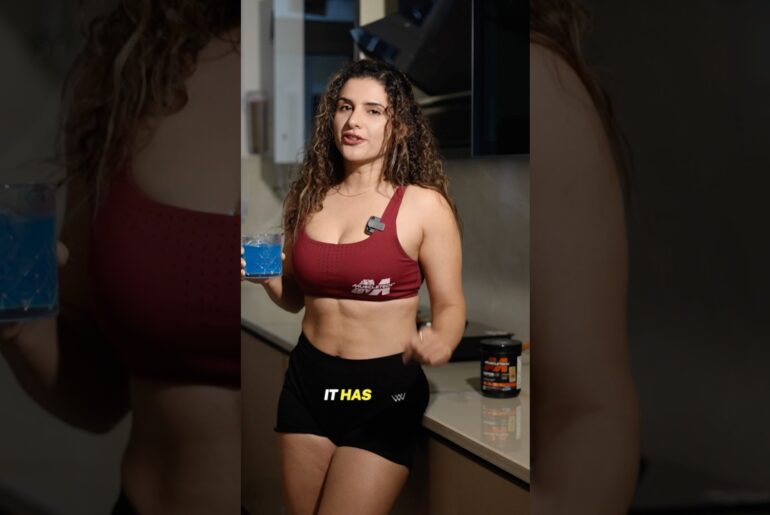
How Much Vitamin B1 Do I Need? In this informative video, we’ll cover everything you need to know about Vitamin B1, also known as thiamine, and its importance for your fitness journey. We’ll discuss the recommended daily intake based on various factors such as age, sex, and activity level. Understanding your specific requirements is essential for maintaining optimal energy levels, especially if you lead an active lifestyle.
We’ll explain how Vitamin B1 plays a key role in converting carbohydrates into energy, which is vital for effective workouts. You’ll learn about the signs of low thiamine levels and how they can affect your exercise performance. Additionally, we’ll touch on the potential need for supplements and the best food sources to help you meet your daily intake.
Whether you’re aiming to boost your energy or simply want to ensure you’re getting enough thiamine, this video will provide you with all the necessary information. Join us for this engaging discussion, and don’t forget to subscribe to our channel for more helpful tips on nutrition and fitness.
⬇️ Subscribe to our channel for more valuable insights.
🔗Subscribe: https://www.youtube.com/@EverydayFitnessHacks/?sub_confirmation=1
#VitaminB1
#Thiamine
#FitnessNutrition
#HealthyLiving
#EnergyBoost
#CarbohydrateMetabolism
#ActiveLifestyle
#NutritionTips
#DietarySupplements
#FitnessGoals
#HealthyEating
#WorkoutEnergy
#BalancedDiet
#NutritionAdvice
#WellnessJourney
About Us: Welcome to Everyday Fitness Hacks, your ultimate resource for practical tips and tricks to enhance your fitness journey. Whether you’re a seasoned runner or just starting out, our channel is dedicated to helping you achieve your fitness goals with simple, actionable advice.
How much vitamin B1 do I need? Have you ever wondered how much vitamin B1, also known as thamine, you actually need? This little vitamin plays a big role in your energy levels, especially when it comes to fitness and physical performance. Let’s break down the details so you can make sure you’re getting enough. The recommended daily intake of vitamin B1 varies based on age, sex, and activity level. For most adults, men need about 1.2 milligs each day, while women requiring around 1.1 mg. If you are pregnant or breastfeeding, your needs increase slightly to about 1.4 milligs daily. Children and teenagers have different requirements, too. For instance, kids aged 1 to 3 years need about 0.5 mg. As they grow, the amount increases. Teenagers aged 14 to 18 requiring between 1.0 and 1.2 mg, depending on whether they are male or female. Now, let’s talk about why vitamin B1 is so important for fitness. It helps convert carbohydrates into energy, which is essential for your workouts. Thamine acts as a co-enzyme in the process that transforms pyuvate from carbohydrates into acetal COA. This acetal COA then enters the KB cycle which is where your body produces adenosine triphosphate, the main energy currency of your cells. If your thamine levels are low, you might experience decreased energy production and increased fatigue. This can really impact your exercise performance. For those who are physically active or under stress, your body may need more thamine. A good rule of thumb is to import for about 0.5 mg of thamine for every 1,00 kilo calories you consume. So, if you are consuming more calories due to intense workouts, you may need to increase your thamine intake. In some cases, people might consider taking thamine supplements, which can range from 5 to 30 mg daily. However, most people can meet their needs through a balanced diet. Foods rich in vitamin B1 include whole grains, legumes, nuts, and pork. To support your fitness goals and maintain energy levels, aim for about 1.1 to 1.2 mg of vitamin B1 daily. Adjust this amount if you are more active, pregnant, or breastfeeding. Keeping your thamine levels in check will help you stay energized and ready to tackle your workouts.