
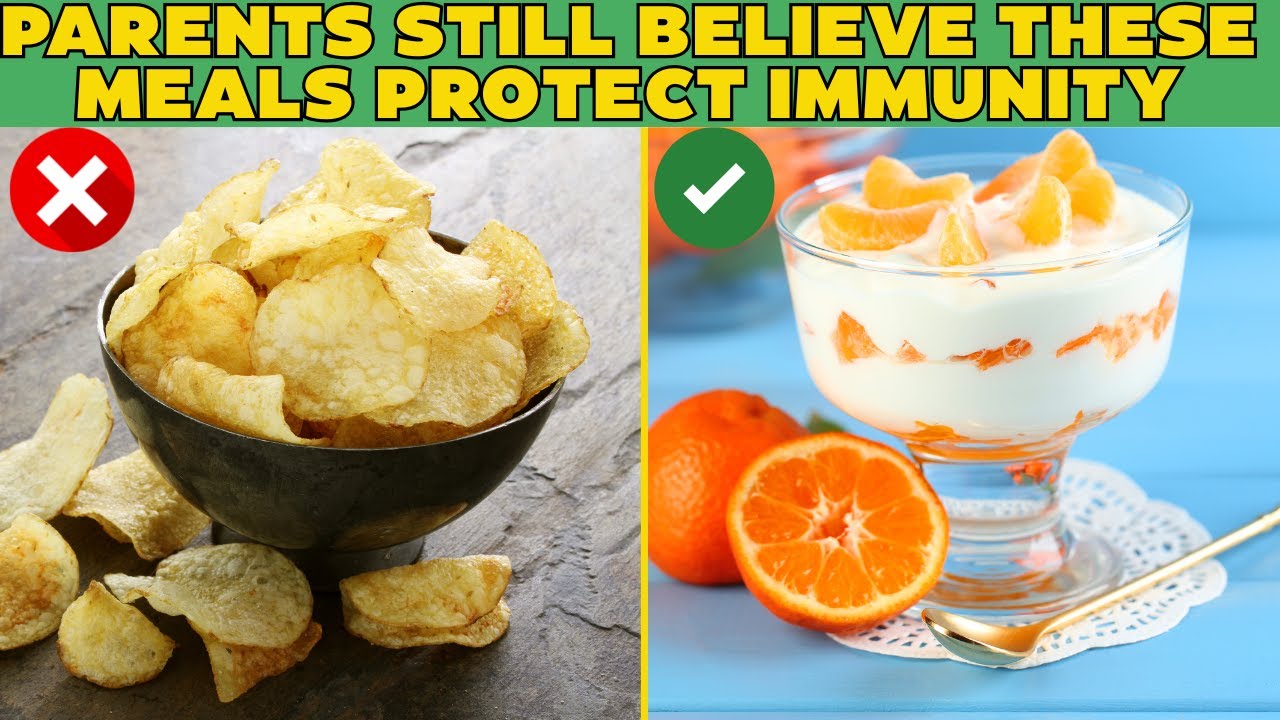
7 Foods That Strengthen Your Child’s Immune System #family #tips #health
Does your child keep getting sick no matter what you try? 🤧
Most parents ignore the powerful role of nutrition in immunity. 🛡️
Discover 7 everyday foods that naturally strengthen your child’s defenses.
In this video, we reveal the science behind the best foods to boost kids’ immunity, from citrus fruits to yogurt, spinach, and more. Learn how to build meals that help your child stay healthy, fight off infections, and recover faster—all with simple, practical tips for parents.
⏱️ Timestamps:
00:00 – Why kids keep getting sick
01:10 – Food #1: Citrus fruits and vitamin C
03:00 – Food #2: Yogurt and probiotics
05:00 – Food #3: Spinach and leafy greens
07:00 – Food #4: Nuts, seeds, and vitamin E
09:00 – Food #5: Berries and antioxidants
11:00 – Food #6: Lean protein for antibodies
12:30 – Food #7: Garlic and natural defenses
13:30 – Final advice for parents
📚 Scientific & Nutritional References:
Harvard T.H. Chan School of Public Health – Nutrition and Immunity
National Institutes of Health – Vitamin C and Immune Function
Frontiers in Immunology – The Role of Probiotics in Immunity
American Academy of Pediatrics – Nutrition and Children’s Health
👍 If this video was helpful, subscribe to NutriZone and hit the notification bell 🔔 for more science-based nutrition tips for kids and families!
🔖 Hashtags:
#KidsNutrition #ImmuneSystem #HealthyKids #FamilyHealth #ParentingTips #NutriZone
⚠️ Disclaimer:
This video is for educational purposes only and is not a substitute for professional medical advice. Always consult your pediatrician or qualified healthcare provider before making changes to your child’s diet.
Your child comes home from school with another runny nose, cough, or fever, and you wonder why it seems like they are always catching whatever’s going around. Many parents focus only on medicine or vitamins when their kids get sick, but overlook one of the most powerful defenses they already control every single day. Nutrition. The immune system is like an invisible shield. And what children eat determines how strong that shield really is. The truth is, some foods directly support the body’s ability to fight off infections, heal faster, and stay resilient, while others weaken it and leave children more vulnerable. If your child isn’t eating the right balance of immune boosting foods, they may struggle to stay healthy during flu season or even catch colds backto back when school germs spread. But the good news is that with just a few simple food swaps, you can help your child’s immune system become stronger, more effective, and ready to protect them. Many parents ask, “Does food really make that big of a difference for immunity?” The answer is yes. Scientific studies show that deficiencies in key vitamins and minerals significantly reduce the immune system’s ability to respond to infections. On the other hand, diets rich in whole nutrient-dense foods help children recover more quickly and prevent illnesses from taking hold in the first place. You, Dante, need complicated recipes or expensive supplements. Just the right choices on the dinner plate can completely transform your child’s resilience. Today we Lwell walk through seven of the most powerful foods to strengthen your child’s immune system and explain why they work. The first food group that plays a critical role in immunity is citrus fruit. Oranges, mandarins, grapefruits, and lemons are all rich in vitamin C, which has long been known as one of the most important vitamins for the immune system. Vitamin C helps white blood cells function more effectively, increases the body’s ability to fight infections, and acts as a strong antioxidant to protect cells from damage. Kids who get enough vitamin C are less likely to suffer from prolonged colds and recover faster when they do get sick instead of sugary juices. Offering a fresh orange or mandarin after school can provide natural vitamin C without the blood sugar spikes. The second powerful immune boosting food is yogurt, particularly unsweetened Greek yogurt. Yogurt contains probiotics healthy bacteria that live in the gut and directly influence immunity. You may not realize it, but around 70% of the immune system is located in the gut. When children have a healthy balance of good bacteria, their bodies can fight off harmful invaders more efficiently. Probiotics also reduce inflammation and help regulate immune responses, preventing the body from overreacting. The key is to avoid flavored yogurts packed with added sugar, which actually harm the immune system, and instead serve plain yogurt with fresh fruit or a drizzle of honey. Another immune superfood is spinach. Dark leafy greens are full of vitamins A, C, and E, as well as antioxidants and fiber. Vitamin A in particular is crucial for maintaining the integrity of the skin and mucous membranes which act as the body’s first line of defense against pathogens. Spinach also contains iron and folate which support the production of new cells including immune cells. Steaming spinach lightly preserves its nutrients and mixing it into pasta sauces, smoothies, or omelets can make it more appealing to kids who might resist greens. The fourth important immune food is nuts and seeds, especially almonds, walnuts, sunflower seeds, and pumpkin seeds. These are excellent sources of vitamin E, another key antioxidant that supports immune cell function. They also provide healthy fats and zinc, both of which strengthen immune responses. Zinc, in particular, has been shown to reduce the duration of colds in children and adults. A small handful of nuts or seeds as a snack or a sprinkle over yogurt or oatmeal is a simple way to include them in your child’s diet. The fifth food group is berries, blueberries, strawberries, raspberries, and blackberries. These brightly colored fruits are rich in antioxidants, especially flavonoids, which protect cells from oxidative stress and strengthen the body’s defenses. Studies show that children who consume more flavonoid rich foods have fewer respiratory infections. Berries are also naturally sweet and kid-friendly, making them an easy immune booster. You can serve them fresh, frozen, or blended into smoothies for a colorful immune strengthening snack. Another immune boosting powerhouse is lean protein such as chicken, turkey, fish, and beans. Protein is necessary for building and repairing tissues, including the production of antibodies, which are the proteins the body uses to identify and neutralize harmful bacteria and viruses. Protein richch foods also provide essential amino acids, vitamins like B6 and minerals like zinc and iron, all of which are vital for immune health. A balanced dinner with a source of lean protein ensures your child. Sim immune system has the building blocks it needs to function properly. Finally, the seventh immune strengthening food is garlic. While it may not be every child’s favorite flavor, garlic contains compounds like allisonin which have antimicrobial and immune-enhancing properties. Garlic has been used for centuries as a natural remedy against infections, and modern studies confirm its ability to reduce the severity and length of colds. Adding garlic to sauces, soups, or roasted vegetables can provide subtle flavor while boosting your child’s immune system without them even noticing. By now, we’ve covered seven food citrus fruits, yogurt, spinach, nuts and seeds, berries, lean proteins, and garlic that all play a role in strengthening immunity. These foods don’t just help kids avoid getting sick. They also improve recovery, energy levels, and overall well-being. The immune system is like a muscle lit, gets stronger when nourished consistently. Serving these foods regularly can help your child build resilience against everyday illnesses, especially during cold and flu season. Now, let us look deeper into why these foods matter and how to make them practical in your child’s daily life. The immune system is complex with many moving parts, but nutrition influences every level of its performance. white blood cells, antibodies, and even the physical barriers like skin and mucous membranes depend on nutrients for proper function. Without enough of these nutrients, kids become more vulnerable to infections and take longer to recover. When you provide nutrient-rich foods, you’re essentially giving your child’s body the raw materials it needs to build a strong defense system. Take vitamin C in citrus fruits as an example. Vitamin C not only boosts white blood cells but also helps the body produce collagen which strengthens skin and tissue. This is important because the skin is the body’s first physical defense against germs. Without enough vitamin C, wounds heal slower and kids may be more susceptible to infections. By making citrus fruits a regular part of their diet, you are reinforcing this protective barrier. Probiotics and yogurt go even further by improving gut health. The gut microbiome is often called the second brain, but it also acts as the control center for the immune system. A balanced microbiome teaches the immune system how to respond properly, attacking harmful invaders while tolerating harmless substances. When the gut bacteria are out of balance, the immune system can become either too weak or overly reactive, leading to allergies or frequent illnesses. Including yogurt or other probiotic foods in your child’s meals supports this balance and enhances their immune defense. Spinach and other leafy greens provide multiple benefits, not only through vitamins, but also through antioxidants that fight inflammation. Chronic low-level inflammation can weaken immunity, making children more susceptible to infections. The antioxidants in spinach neutralize free radicals, reducing stress on the body and allowing immune cells to function more effectively. Even if your child resists spinach, small amounts hidden in smoothies, lasagna, or scrambled eggs can deliver big benefits. Nuts and seeds deserve special attention because of their vitamin E and zinc content. Vitamin E protects cell membranes, including immune cells, from damage. Zinc supports the development and activation of immune cells. When children don’t get enough zinc, they are more likely to experience frequent colds. Slower wound healing and weaker defenses overall. Fortunately, just a small handful of pumpkin seeds or almonds can provide a meaningful amount of these nutrients, making it one of the simplest immune boosting habits for parents to adopt. Berries offer flavonoids, which specifically protect the respiratory tract. Studies show that children who eat berries regularly have fewer respiratory infections such as colds and coughs, compared to children who don’t. The bright colors of berries reflect their antioxidant power, and their natural sweetness makes them appealing even to picky eaters. Serving a handful of blueberries with breakfast or adding strawberries to a smoothie is a delicious way to build immunity. Lean proteins like chicken and fish not only provide amino acids for building antibodies, but also deliver vitamin B6, which plays a key role in biochemical reactions that support immune function. Protein is often overlooked in children’s diets, especially if they are picky eaters or rely heavily on processed snacks. But without enough protein, the body simply cannot produce the immune cells it needs. Incorporating beans, lentils, eggs, or small servings of meat ensures your child gets these critical building blocks. Garlic might sound like a small detail, but it has been studied extensively for its immune-enhancing properties. Compounds in garlic activate certain immune cells and help the body fight off infections more quickly. Even adding one or two cloves to a family dinner a few times a week can have measurable effects. Garlic also enhances flavor, making vegetables and proteins more appealing to kids when cooked together. One of the biggest challenges parents face is getting kids to actually eat these foods. The solution is creativity and consistency. Citrus fruits can be offered as fun wedges or turned into a colorful fruit salad. Yogurt can be dressed up with berries and granola for a parfait. Spinach can be blended into smoothies where kids won’t even notice it. Nuts and seeds can be part of homemade trail mix. Garlic can flavor pasta sauce or roasted vegetables. By weaving these foods naturally into meals, they become part of the routine rather than something kids resist. It’s also important to recognize that immune strength is not built in one meal. It’s built over time. A single serving of spinach won’t prevent a cold, but a consistent pattern of nutrient-rich eating strengthens the immune system day by day. Parents should focus on variety and balance. Ensuring that their children are exposed to a wide range of nutrients across the week. This not only boosts immunity, but also shapes healthy habits for life. The connection between nutrition and immunity is powerful. When children eat foods rich in vitamins, minerals, and antioxidants, their bodies are better equipped to fight off infections, heal quickly, and stay active. During flu season or when colds are spreading at school, these foods act like armor, giving your child an advantage. At the same time, avoiding processed foods high in sugar and unhealthy fats prevents the immune system from being weakened or distracted. As we wrap up, let’s remember the seven foods that strengthen your child’s immune system. Citrus fruits, yogurt, spinach, nuts and seeds, berries, lean protein, and garlic. Each one offers unique nutrients that support different aspects of immunity. From white blood cell function to antioxidant protection. Together, they create a powerful defense system that helps kids stay healthier, recover faster, and live more energetic lives. If you found this video helpful, don’t forget to subscribe to the channel and hit the notification bell so you never miss new tips on kids nutrition and family health. And now I’d love to hear from you. What s the one food your child actually loves that you know helps keep them healthy. Share it in the comment side. Love to learn from your experiences and maybe inspire other parents,