Many seniors eat enough calories but still lack essential vitamins and minerals that keep the body strong and energized. Over time, these hidden deficiencies can affect bones, immunity, memory, and overall vitality.
In this video, Luba explains:
Why vitamin and mineral needs change with age
Common nutrient gaps in senior diets
Simple food and lifestyle tips to naturally restore balance
When to talk to your healthcare provider about testing or supplementation
💚 Nourishing every cell with the right nutrients is one of the most powerful ways to age well and stay active.
👉 Like, Share & Subscribe for more Natural Tips for Seniors.
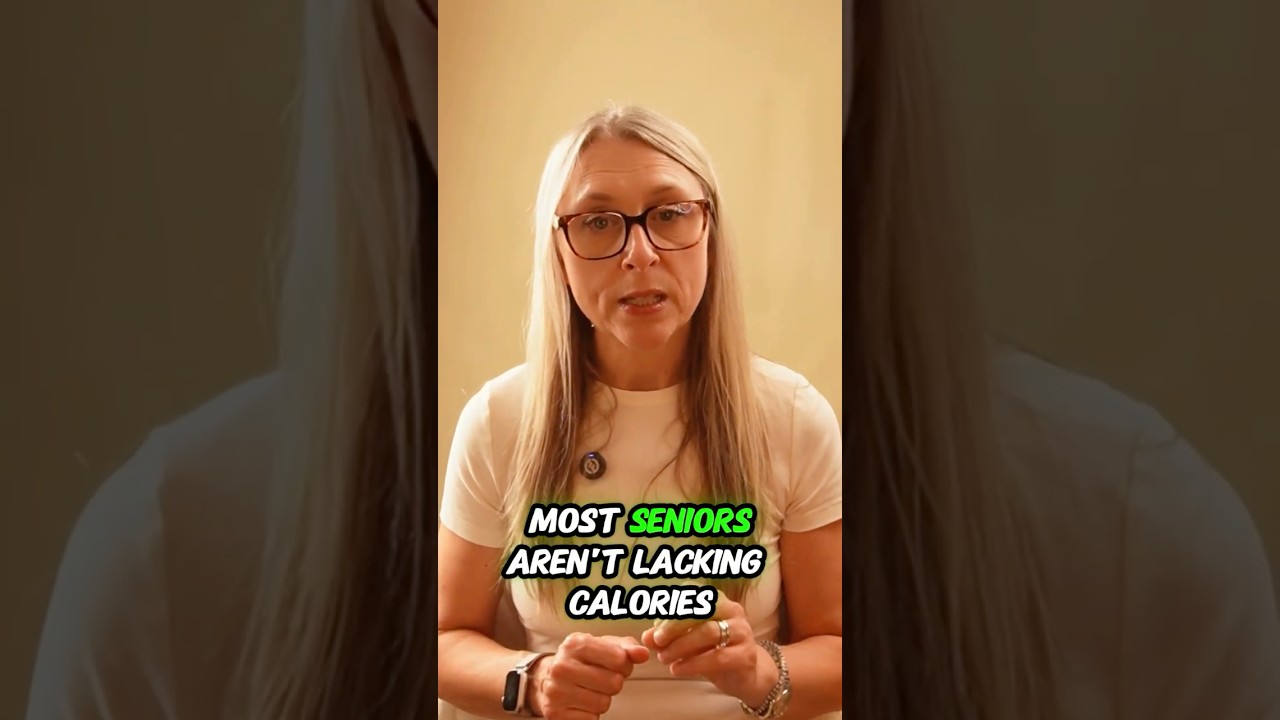
Stop right here. If you or someone you love is over 60, most seniors aren’t lacking calories. They’re lacking life supporting nutrients. Let’s change that starting now. As we age, our bodies absorb less from the food we eat, leaving common shortfalls. Vitamin D. Up to 90% of older adults run low, weakening bones and immunity. Vitamin B12 needed for memory and nerves. Absorption drops after 60. Calcium and magnesium critical for strong bones, steady heartbeat, and relaxed muscles. Yet, many seniors miss the mark. Protein. About one in three older adults don’t get enough to maintain muscle and energy. Adding colorful vegetables, leafy greens, beans, nuts, fish, and a daily vitamin D, if your doctor agrees, can protect bones, brain, and heart. Let’s nourish every stage of life with love and real food. You deserve vibrant health.