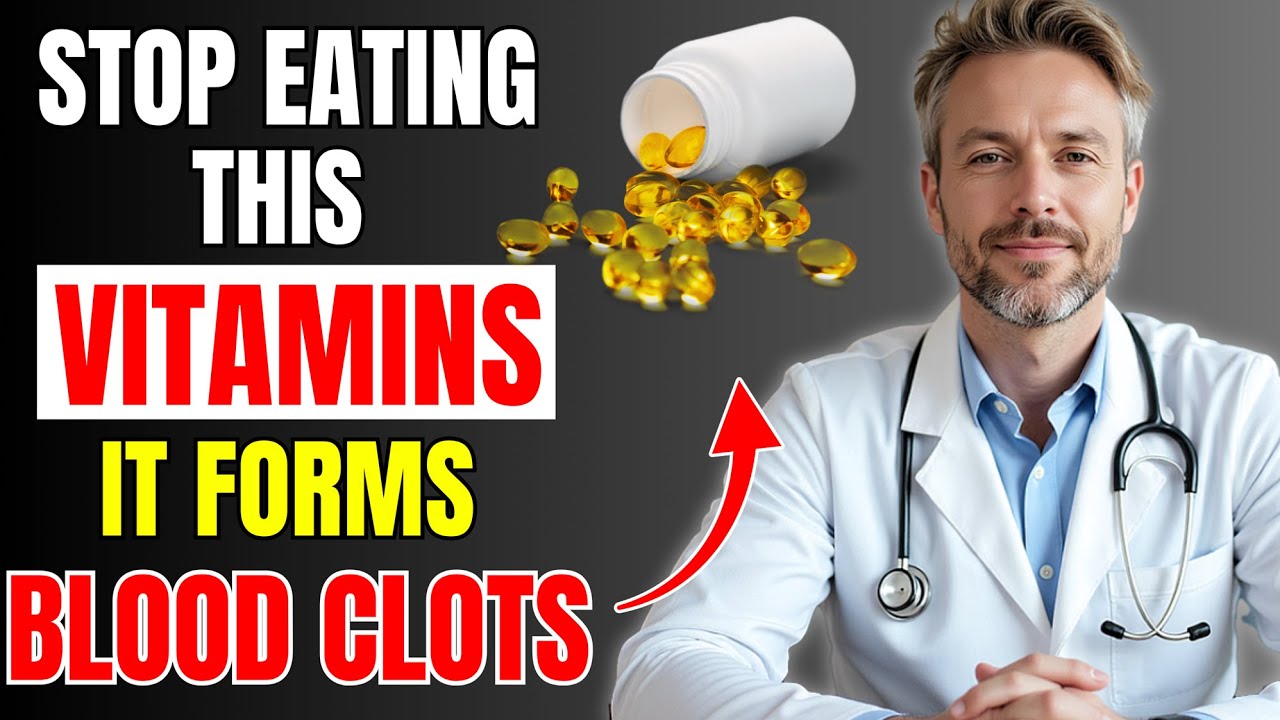
⚠️ If you’re over 60 and take vitamins every night, you need to hear this.
Millions of older adults believe supplements like Vitamin D, E, or calcium protect their heart — but new studies show that certain vitamins may quietly increase stroke risk overnight.
In this video from Senior Health Tips, you’ll discover the 9 common vitamins and supplements that may harm your circulation, raise blood pressure, or thin your blood too much.
According to the American Heart Association and Harvard School of Public Health, these mistakes can:
✅ Harden arteries and trigger blood clots
✅ Increase bleeding risk and high blood pressure
✅ Interfere with your sleep cycle and nighttime circulation
👉 Watch until the end, because vitamin #9 is one most seniors take every morning — not knowing it could be raising their stroke risk while they sleep.
#SeniorHealthTips #SeniorHealth #SeniorWellness #ElderlyHealth #HealthyAging #Over60Health #StrokePrevention #Vitamins #HeartHealth #BrainHealth #NutritionForSeniors
Hope you enjoy my channel Senior health tips
💚 I wish you great health, wealth and happiness.
💚We believe health is a lifelong journey, and it’s never too late to begin. Senior Health is with you every step, providing content that inspires, informs, and empowers. Whether you’re a senior wanting better health or a caregiver needing practical advice, we’re here to make it easier and more rewarding.
👍 If you enjoyed this video, don’t forget to like ❤️, comment 💬 your thoughts, and subscribe 🔔 to stay updated with more wise advice! ✨
—
Disclaimer: All content and media on the channel is created and published online for informational purposes only. It is not intended to be a substitute for professional medical advice and should not be relied on as health or personal advice. Always seek the guidance of your doctor or other qualified health professional with any questions you may have regarding your health or a medical condition.
—
#seniorshealthtips #seniorhealth #health #nutrition #elderly #muscleloss #legstrength #healthyaging #elderlycare #MuscleLossPrevention #MobilityTips
If you’re over 60, chances are you take vitamins every day. Maybe it’s a multivitamin just to be safe. Maybe it’s extra vitamin E for your heart or vitamin D for your bones. But what if I told you that some of those very same vitamins, the ones sitting right now in your kitchen cabinet, could actually raise your risk of stroke overnight? I know that sounds unbelievable. After all, vitamins are supposed to help you stay healthy, not harm you. But for millions of older adults in the US, that’s not the full story. Let me give you a real example. George, a 72year-old retired teacher, was meticulous about his supplements. Every night before bed, he took a handful of pills, vitamin E, fish oil, a B complex, and magnesium. He believed he was doing everything right for his heart. But one morning, he woke up feeling lightaded, his vision blurry, and his left arm weak. At the hospital, doctors said he had experienced a mini stroke. And the shocking part, his blood work showed that some of his vitamins had thinned his blood far too much overnight, making it difficult for his body to maintain normal circulation. This isn’t an isolated case. Recent studies from the American Heart Association and Harvard School of Public Health reveal that certain vitamins and supplements can interact dangerously, especially in older adults taking blood pressure or cholesterol medication. The result, blood that becomes either too thick or too thin, arteries that lose flexibility, and an increased risk of stroke, blood clots, or internal bleeding. And it often happens silently while you sleep. The truth is, after 60, your body processes vitamins very differently than it did at 30 or 40. What once helped your heart can now overload your system. What once gave you energy can now trigger irregular heartbeats or damage your blood vessels. So, in today’s video, we’re going to break down the nine vitamins and supplements that could be putting your heart and brain at risk and how to take them the right way. We’ll uncover which ones thin your blood too much, which raise your blood pressure, and which can quietly damage your arteries when combined with everyday medications. Because when it comes to your health after 60, the danger isn’t always what you eat. It’s what you believe is helping you. Stay with me. By the end of this video, you’ll know exactly which vitamins to keep, which to avoid, and how to protect your heart and brain while still getting the nutrients you need. Number one, vitamin D, the sunshine nutrient with a dangerous dark side. Most people call it the sunshine vitamin. It’s supposed to protect your bones, boost your mood, and keep your immune system strong. But what many seniors don’t realize is that vitamin D has a dark side, one that can quietly harden your arteries and trigger silent strokes at night. Vitamin D’s main job is simple. It helps your body absorb calcium from food and send it to your bones. But when you take too much, say 5,000 to 10,000 IU per day, that calcium doesn’t always end up where it should. Instead, it can float through your bloodstream and attach to your artery walls, turning soft, flexible blood vessels into stiff calcified tubes. Doctors call this vascular calcification, and it’s one of the leading causes of heart attacks and strokes in older adults. Once your arteries lose their natural elasticity, even small changes in blood pressure, especially during the night, can become dangerous. That’s when silent strokes often occur. No pain, no warning, just a sudden loss of balance, blurred vision, or confusion the next morning. You might not even connect it to your nightly vitamin routine. That’s why experts now warn that taking vitamin D at night can make things worse. This nutrient affects your circadian rhythm, your body’s internal clock, and can disrupt melatonin, the hormone that helps control nighttime blood pressure. When melatonin drops, your arteries stay tense instead of relaxing while you sleep. And if those arteries are already stiff with calcium buildup, the risk of stroke increases dramatically. So, what should you do instead? First, get your blood tested before taking high doses. You only need enough vitamin D to maintain a healthy level. For most seniors, that’s 400 to 1,000 IU per day, not more. And always take it in the morning, preferably with breakfast, not before bed. If you’re taking calcium supplements or heart medications, be extra careful. The combination can make calcium build up faster in your arteries. And if your doctor has prescribed vitamin D because your levels are low, ask whether you should also take magnesium and vitamin K2. Those nutrients help guide calcium into your bones and keep it out of your arteries. Vitamin D is still essential, but after 60, your body changes, and what used to heal can also harm. A little sunlight on your skin and a modest daily dose is often all your body really needs. Because sometimes even the sunshine vitamin can cast a shadow, especially when taken too much, too late, or without balance. Number two, vitamin E, the heart vitamin that can cause brain bleeding when overused. For decades, vitamin E has been praised as a heart protector. It’s known for its antioxidant power, preventing cell damage and slowing aging. Many seniors take it daily, believing it helps keep blood flowing smoothly and arteries clear. But here’s the part few people know. Too much vitamin E can actually make your blood too thin and increase your risk of brain bleeding or stroke. Here’s how it happens. Vitamin E naturally acts as a blood thinner. It helps prevent clots, which sounds good at first, but when your body already has thinning agents like aspirin, warerin, or plavix, adding high doses of vitamin E can push your blood into dangerous territory. Your blood may become so thin that even a tiny blood vessel in your brain can rupture. Doctors have documented cases where patients on blood thinners developed sudden headaches, dizziness, or vision problems, all linked to excessive vitamin E use. The danger is even greater when people take 400 IU or more per day for months at a time. That’s about four times what most older adults actually need. Research from the American Heart Association found that people taking highdose vitamin E supplements had a 13% higher risk of hemorrhagic stroke, the kind caused by bleeding in the brain. It doesn’t happen overnight. It happens quietly over time as fragile blood vessels weaken and blood losses its natural balance. Let’s make it real. Nancy, a 70-year-old woman from Ohio, had been taking vitamin E every day because she’d read it was good for the heart. She also took baby aspirin as recommended by her doctor. One evening, she felt a sudden pounding headache and slurred her words. At the hospital, doctors discovered a small brain bleed, not from high blood pressure, but from her overthinned blood. When she stopped the highdosese vitamin E, her recovery began immediately. So, what’s the right way to take vitamin E after 60? Don’t exceed 100 to 200 international units per day unless your doctor prescribes more. Avoid combining it with aspirin, warfarerin, or other blood thinning medications without medical supervision. Get vitamin E naturally from foods like almonds, sunflower seeds, spinach, and avocados. These provide safer balanced amounts. Be cautious with immune boosting multivitamins. Some contain hidden high doses of vitamin E. Vitamin E isn’t your enemy. It’s powerful, but it needs respect. When taken in balance, it supports heart health. When overused, it can turn into a silent threat. After 60, your blood is more delicate and your circulation more sensitive. So keep your dosage light, your diet balanced, and always remember a healthy heart also needs healthy vessels to carry its rhythm safely. Number three, vitamin B6, the nerve vitamin that can damage your balance and increase stroke risk. Vitamin B6 is often called the nerve vitamin. It helps your body process proteins, supports the brain, and plays a key role in creating serotonin, the feel-good chemical that stabilizes mood. Because of this, many seniors take it daily to boost energy or reduce tingling in their hands and feet. But here’s what few people realize. Too much vitamin B6 can quietly damage your nerves and increase your risk of losing balance. a warning sign linked to poor circulation and stroke. Let’s break it down. The body only needs small amounts of vitamin B6, about 1.5 to 2 mg per day. Yet, many supplements on the market contain 50 mg, 100 mg or even more per pill, 25 to 50 times what your body actually needs. When you take high doses for long periods, excess vitamin B6 can damage the protective sheath around your nerves, a condition known as sensory neuropathy. This damage doesn’t happen overnight. It starts subtly with tingling, numbness, or burning sensations in your hands, feet, or legs. Then it affects your ability to sense where your limbs are, leading to unsteady walking, clumsiness, or dizziness. symptoms that can easily be mistaken for aging or poor circulation. But here’s the hidden danger. When your balance is off, your brain and inner ear are constantly trying to compensate. This creates extra strain on your circulatory system and brain function, especially at night when blood pressure naturally fluctuates. Over time, this combination of nerve damage and circulatory stress can increase your risk of eskeemic stroke, the kind caused by reduced blood flow to the brain. Take the case of Harold, a 69-year-old retiree from Michigan. He started taking 100 mg of vitamin B6 daily after reading that it improves energy and nerve health. Within 6 months, he noticed a strange numbness in his toes and an unsteady feeling when he walked. His doctor discovered elevated B6 levels in his blood, more than 10 times the upper safe limit. When Harold stopped the supplement, the symptoms improved, but not completely. Nerve damage from vitamin B6 can be partially permanent. So, how can you use vitamin B6 safely after 60? Stay below 10 milligrams per day unless prescribed by your doctor. Avoid taking it at night when blood flow naturally slows. This helps prevent nerve over stimulation. Check your multivitamin labels. Many already contain B6, so adding a separate supplement may push you into toxic levels. If you experience tingling or numbness, stop supplementation and talk to your health care provider immediately. Vitamin B6 is essential, but only in balance. A little supports your nerves and circulation. Too much can quietly destroy both. After 60, your body’s tolerance changes, and more doesn’t mean better. So, keep your dosage small, steady, and smart. Because protecting your nerves today could mean preventing a fall or even a stroke tomorrow. Number four, vitamin A. The vision vitamin that can raise brain pressure and trigger stroke-like symptoms. Everyone knows vitamin A is good for your eyes. It keeps your vision sharp, your skin healthy, and your immune system strong. That’s why so many seniors take vitamin A supplements or cod liver oil every day. They believe it keeps them young from the inside out. But here’s the hidden truth. Too much vitamin A can quietly build up in your body, raise the pressure inside your brain, and cause symptoms that look almost identical to a stroke. Let’s unpack this. Vitamin A is fat soluble, which means your body doesn’t flush out the excess like it does with water-based vitamins such as C or B. Instead, extra vitamin A gets stored in your liver. And over time, if you keep taking high doses, that storage tank fills up. When your liver can’t hold anymore, vitamin A begins to circulate in your bloodstream and affects your brain. That’s when things can turn dangerous. Too much vitamin A can cause intraraanial hypertension or increase pressure inside your skull. This condition can lead to headaches, blurred vision, dizziness, or sudden confusion. All symptoms that can easily be mistaken for the early signs of a stroke. In some cases, patients even experience temporary vision loss or slurred speech, leading families to rush them to the emergency room, thinking it’s a brain attack. But instead, it’s vitamin toxicity. One well-known case involved a 67year-old woman who had been taking two vitamin A capsules every night for her skin and eyes. After several months, she began waking up with pounding headaches and blurry vision. Doctors initially suspected a mini stroke until blood tests revealed her vitamin A levels were three times higher than normal. When she stopped the supplements, her symptoms slowly faded away. Here’s the problem. Most older adults don’t realize how much vitamin A they’re already getting. It’s not just in supplements. It’s also in fortified milk, breakfast cereals, liver, and fish oil capsules. So, even if you think you’re taking a small amount, it can easily add up. The National Institutes of Health recommends that adults over 60 get around 700 to 900 micrograms, 2,00 to 300 to 3,000 international units of vitamin A per day, not more. But many supplements contain 10,000 IU or higher, several times the safe limit. So, how can you protect yourself? Avoid highdosese vitamin A supplements, especially if you eat liver, take fish oil, or use fortified foods. Never take it at night since nighttime blood flow changes can increase brain pressure. If you notice headaches, blurry vision, or dizziness, check your vitamin A intake immediately. Focus on food sources instead. Carrots, sweet potatoes, spinach, and kale, which contain beta carotene. Your body only converts what it needs into vitamin A and safely excretes the rest. Vitamin A is essential, but after 60 balances everything. A small daily dose from real food will keep your eyes bright and your mind clear. But taking too much for too long can blur more than your vision. It can quietly put pressure on your brain and your life. Number five, vitamin B3, niacin, the cholesterol fix that can trigger dangerous blood pressure swings. For years, niacin or vitamin B3 has been praised as a natural remedy for cholesterol. Doctors once prescribed it to help raise good HDL cholesterol and lower bad LDL cholesterol. That’s why many seniors still take Nyson tablets or flush-free supplements every day, believing they’re protecting their heart. But here’s the hidden truth. High doses of nyin can cause sudden swings in blood pressure, irregular heartbeat, and even increase your stroke risk, especially after 60. Let’s look at how it works. Nascin helps your body convert food into energy and in small amounts around 14 to 16 milligs per day. It’s perfectly safe and essential. But the trouble begins when people start taking highdose supplements between 500 and 2,000 mg per day to manage cholesterol. At that level, nascin acts more like a drug than a vitamin. And it causes your blood vessels to dilate, open wide, and then constrict, tighten in rapid cycles. That’s what causes the infamous nascin flush, the warm, red, tingling feeling you get after taking it. But that same effect also makes your blood pressure fluctuate dramatically, which can be dangerous for seniors with fragile arteries or heart conditions. When your blood pressure drops too low, your brain receives less oxygen. When it rebounds too high, your blood vessels are placed under stress. Over time, those rapid shifts can increase the risk of eskeemic stroke caused by clots or hemorrhagic stroke caused by ruptured vessels. Here’s a real example. James, a 71-year-old man from Colorado, had slightly high cholesterol. Instead of prescription medication, he chose to take 1,000 milligrams of neosin every night. Within weeks, he started waking up with pounding headaches and lightadedness in the mornings. His doctor discovered that his blood pressure was dropping by 20 points within an hour of taking nascin and then spiking again during the night. When James stopped the supplement, his headaches disappeared and his readings normalized. And here’s something most people don’t know. Nascin can also affect blood sugar and liver function, especially when taken long term. In older adults, that means extra strain on organs that are already working hard to regulate metabolism and detoxify the blood. So, how can you stay safe if you’re taking nascin? Don’t self-prescribe high doses. Anything above 100 mg should be taken only under medical supervision. Avoid taking it at night when your blood pressure naturally dips. Skip flush-free versions. They can stress your liver even more. Always check your cholesterol with your doctor first. Modern medications are usually safer and more predictable for seniors. Focus on nasinrich foods instead. Tuna, chicken, turkey, mushrooms, and peanuts. They provide balanced doses without sudden vascular changes. Niacin can still be beneficial, but only when used correctly. In the right dose, it supports heart health. In excess, it becomes unpredictable, like pressing your circulation’s gas pedal and brake at the same time. After 60, your blood vessels deserve steady rhythm, not sudden shocks. So keep your nice and intake gentle, your heart calm, and your blood flow balanced. That’s the real way to protect yourself from stroke. Pure six, vitamin B12, the energy booster that can mask anemia and raise stroke risk. If you’re over 60, chances are you’ve heard about vitamin B12. It’s the nutrient everyone talks about for energy, memory, and brain health. Many older adults take it in pills, sprays, or even monthly injections. And yes, vitamin B12 is essential. It supports red blood cell formation, nerve function, and DNA repair. But here’s the surprising part. Too much or improperly used vitamin B12 can actually mass serious health issues, raise homocyine levels, and quietly increase your risk of heart disease and stroke. Let’s look at why. Vitamin B12 helps your body regulate homocyine, a chemical that builds up in the blood when your body doesn’t process certain amino acids efficiently. When B12 is balanced along with folate and vitamin B6, it keeps homocyine low, protecting your arteries. But when you take too much B12 without proper balance or when your body can’t use it effectively due to age related absorption issues, homocyine can rise instead of fall. That’s dangerous because high homocyine acts like acid on your arteries. It erodess the lining, making it easier for plaque to form and blood clots to develop. Both leading risk factors for stroke and heart attack. Here’s something most seniors don’t know. Even if your blood test shows high vitamin B12 levels, your cells might still not be using it correctly. As we age, our stomach produces less acid, which means we absorb less B12 from food. So, some people keep taking higher and higher doses thinking more will fix it. But all that does is overload your blood while the deficiency and the vascular damage continues silently. Let’s make this real. Linda, a 74year-old from Virginia, took 2,000 micrograms of B12 daily for months because she read it boosts memory. At first, she felt great, more alert, more energetic. But soon she began experiencing headaches, tingling in her hands, and occasional dizziness. Her doctor discovered that her B12 levels were skyhigh, but her homocyine was also elevated. That imbalance was straining her arteries and putting her at risk of a stroke. When her doctor adjusted her supplements and added folate and B6 in proper proportions, her symptoms disappeared. Here’s how to keep B12 working for you, not against you. Avoid mega doses. Most older adults need only 250 to 500 micrograms per day unless prescribed otherwise. Don’t take B12 alone. Combine it with folate, B9, and vitamin B6 for proper homocyine control. Check your levels annually, especially if you’re taking acid reflux medication or metformin, which block absorption. Prefer methylcobalamin form. It’s more active and easier for aging cells to use. If you get injections, follow your doctor’s exact schedule and don’t double dose on pills. Vitamin B12 can absolutely boost your energy and protect your brain, but only when taken in balance. Too little causes fatigue and nerve damage. Too much or taken the wrong way can quietly erode your arteries and raise your stroke risk. After 60, your goal isn’t just more energy. It’s steady energy with a calm heart and a clear mind. And that starts with taking B12 wisely, not blindly. Number seven, vitamin C, the immunity shield that can stiffen arteries and stress the heart. Vitamin C, the immunity vitamin. It’s in orange juice supplements and fizzy drink packets that promise to boost your energy and fight colds. For decades, it’s been seen as one of the safest, most essential nutrients. And it’s true. Vitamin C is vital for your immune system, skin, and blood vessels. But here’s what most people don’t know. Too much vitamin C, especially after 60, can actually make your arteries stiffer, raise blood pressure, and increase your risk of stroke. Let’s look at how that happens. Vitamin C helps your body absorb iron from food. That’s normally a good thing unless you already have enough iron. In older adults, excess iron often builds up in the blood because the body no longer eliminates it efficiently. When you take large doses of vitamin C, over 1,000 mg per day, it dramatically increases how much iron your body absorbs. That extra iron starts to oxidize, creating free radicals, unstable molecules that damage artery walls, make them less flexible, and promote plaque buildup. Over time, this process can stiffen your arteries. The exact opposite of what you want for a healthy heart and brain. And there’s another problem. High doses of vitamin C, especially in tablet or powder form, can also make your kidneys work harder, increasing the risk of calcium oxalate buildup. That doesn’t just lead to kidney stones. It can also disturb your body’s calcium balance. When calcium gets pulled from the kidneys into your bloodstream, it may deposit along your artery walls. Once again, narrowing blood flow to the brain and increasing stroke risk. Let’s take a real example. Harriet, a 70-year-old woman from Oregon, took 2,000 mg of vitamin C every day because she wanted to stay strong during flu season. She also drank fortified orange juice with breakfast. A few months later, she began experiencing headaches and mild chest tightness. Her doctor discovered elevated iron levels and early signs of arterial stiffness. When she cut her vitamin C intake in half, her symptoms and her blood pressure began to improve within weeks. So, what’s the right way to use vitamin C after 60? Stick to 250 to 500 mg per day. That’s more than enough for immune support. Avoid mega doses unless prescribed by your doctor. Get most of your vitamin C from food, not supplements. Citrus fruits, berries, bell peppers, and broccoli. Provide a steady, safe source. Be cautious if you take iron supplements. The combination can overload your bloodstream. Don’t take vitamin C late at night. It can mildly raise blood pressure and interfere with sleep for some people. Vitamin C is powerful, but power needs control. In the right amount, it protects your arteries. In excess, it can quietly corrode them from the inside out. After 60, your body’s chemistry shifts. What used to heal can now harm if the balance tips too far. So, think of vitamin C not as an immunity booster, but as a precision tool. One that works best in moderation, at the right time, and from the right sources. Because protecting your immune system shouldn’t come at the cost of your heart. Number eight, calcium supplements. The bone protector that can clog your arteries and trigger stroke. For decades, calcium has been marketed as the ultimate protector of aging bones. Doctors, advertisements, and even family members have repeated the same advice. If you want to avoid fractures after 60, take your calcium every day. And while that message was born from good intentions, new research shows a dangerous side. Too much calcium, especially from supplements, can build up in your arteries, not your bones, and silently raise your risk of stroke. Let’s unpack that. Calcium is essential. Your heart, muscles, and nerves all depend on it. But as you age, your body’s ability to direct calcium where it belongs, your bones, starts to decline. When you take calcium pills without the proper balance of other nutrients, that extra calcium often ends up floating in your bloodstream instead of settling in your skeleton. Over time, this calcium can deposit along artery walls, creating hard chalk-like plaques that make your blood vessels stiff and narrow. This process is called arterial calcification, and it’s one of the most overlooked causes of heart attacks and strokes in older adults. Imagine your arteries like flexible rubber tubes. When they start to harden with calcium, blood has to push harder to get through. That constant strain raises blood pressure, reduces oxygen to the brain, and increases the risk of both eskeemic stroke from clots and hemorrhagic stroke from vessel rupture. Now, here’s the surprising part. This problem doesn’t usually come from food. It comes from supplements. Calcium from natural sources like yogurt, leafy greens, or almonds is absorbed slowly and safely. But calcium tablets deliver a concentrated dose that your body can’t always process efficiently, especially if you’re low on magnesium or vitamin K2, which act like traffic directors, guiding calcium into your bones instead of your arteries. Let’s make this real. Martha, a 73-year-old from Illinois, started taking 1,500 mg of calcium carbonate every day after her doctor told her she had early signs of bone loss. She believed she was protecting her health. But a year later, she began experiencing chest tightness and shortness of breath. A CT scan showed calcium buildup in her coronary arteries, the very blood vessels feeding her heart. When her doctor adjusted her supplements, reducing calcium, adding magnesium and vitamin K2, her symptoms stabilized and her bone density still improved naturally. The truth is, your body doesn’t need massive doses of calcium. It needs the right balance. In fact, a large study published in the Journal of the American Heart Association found that older adults who took highdose calcium supplements were 22% more likely to develop arterial calcification compared to those who got calcium from food. So, what should you do? Keep your total calcium intake between 1,00 to 1,200 mg per day, including food and supplements combined. Avoid taking large tablets all at once. Split doses help your body absorb more effectively. Always pair calcium with magnesium 200 to 400 mg and vitamin K2 90 to 180 micrograms. They prevent calcium buildup in arteries. Skip late night calcium pills. Your body absorbs minerals better in the morning or with meals. Get more calcium from food. Sardines, yogurt, spinach, chia seeds, and fortified plant milks are excellent options. Calcium is not the villain. Imbalances. When used wisely, it keeps your bones strong and your heart beating steady. But when taken blindly in high doses, it can quietly turn from a bone protector into an artery blocker. After 60, every supplement should earn its place on your shelf because what protects one part of your body should never put another part, especially your heart, at risk. Number nine, iron supplements. The energy booster that can rust your arteries and trigger stroke. When you feel tired, pale, or weak, it’s natural to think you might be low on iron. After all, iron helps your blood carry oxygen. And for years, it’s been called the energy mineral. That’s why so many older adults reach for iron pills, thinking they’ll fight fatigue and keep their blood strong. But here’s the dangerous truth. For most seniors, iron supplements do more harm than good. When taken without medical need, they can overload your bloodstream, rust your arteries, and silently increase your risk of heart attack or stroke. Let’s take a closer look. Iron’s main job is to make hemoglobin, the molecule in your red blood cells that carries oxygen. But your body has no easy way to get rid of extra iron. So when you take iron supplements without deficiency, that excess builds up in your organs and bloodstream. Over time, it triggers a process called oxidative stress, where iron reacts with oxygen to form free radicals, unstable molecules that damage cells and blood vessel walls. Think of it like rust forming inside your arteries. That rust weakens the lining, makes blood thicker, and promotes plaque formation. all key ingredients for a stroke. Research from the Mayo Clinic and Harvard Medical School has found that men and post-menopausal women with high iron levels are more likely to develop atherosclerosis, hardening of the arteries. And once that happens, blood flow to the brain becomes more restricted and the risk of both eskeemic, clotreated and hemorrhagic bleeding. Strokes rises sharply. Let’s make this real. Tom, a 70-year-old retiree from Texas, started taking 65 milligrams of iron every morning because he felt a little sluggish. He’d read that low iron causes fatigue. So, he bought over-the-counter tablets without testing his blood first. After a few months, he began experiencing pounding headaches and a heavy pressure in his chest after walking upstairs. A simple blood test showed his feritin levels, the measure of stored iron, were more than double the normal range. The extra iron had been building up in his arteries, creating oxidative stress and inflammation. When he stopped the supplements and switched to an ironbased diet, his energy improved naturally and his blood markers returned to normal within weeks. So, when should you actually take iron? only if your doctor confirms iron deficiency anemia and even then the dough should be tailored carefully because after 60 the line between deficiency and excess is razor thin. Here’s how to stay safe. Never self-prescribe iron supplements. Always confirm low iron with a feritin blood test. Watch for symptoms of overload, dark stools, joint pain, or unexplained fatigue. Avoid combining iron with vitamin C supplements, which increase iron absorption and may worsen overload. Limit red meat and processed iron fortified foods if your iron is already normal. Focus on balance. Lean poultry, beans, lentils, and spinach provide moderate, safer levels of iron. Iron is vital, but in the right amount. Too little leaves you weak. Too much can make your arteries brittle and your blood unstable. After 60, fatigue is not always a sign of low iron. Sometimes it’s a sign your heart and circulation need rest, hydration, or better sleep. So, don’t rush to boost your energy with a pill. Because when it comes to iron, more isn’t better. It’s just heavier on your heart. So now you know the vitamins and supplements that once seemed harmless may not be so innocent after all. Vitamin D that hardens your arteries. Vitamin E that thins your blood too much. B vitamins that damage your nerves or trigger pressure swings. And calcium and iron which can quietly clog your arteries from the inside out. Here’s the truth most people never hear. After 60, your body changes, and so should your supplements. What once helped you in your 40s may now be working against you. That’s not because your body has failed you, but because it has evolved. Your liver, kidneys, and circulation aren’t as quick to filter out excess nutrients, and your blood vessels aren’t as flexible as they used to be. So, even the right vitamins taken the wrong way can slowly build up into something dangerous. But here’s the good news. Once you understand your body, you can take back control. The goal isn’t to stop taking vitamins altogether. It’s to take them smarter. Start with testing, not guessing. A simple blood test can tell you what your body really needs and what it doesn’t. Because if your vitamin levels are already normal, adding more won’t help you feel better. It just gives your body more work to do. Next, timing matters. Take most vitamins in the morning, not at night when your blood pressure naturally dips. That single change alone can reduce your risk of overnight blood pressure spikes and silent strokes. And finally, remember your food should be your foundation. Real nutrients from real meals are gentler, safer, and more balanced than any capsule. A plate full of colorful vegetables, lean protein, and healthy fats can do more for your heart and brain than a handful of pills ever could. Let me leave you with a simple thought. Your heart doesn’t care how expensive your supplements are. It only cares about how balanced your choices are. Every pill you take, every habit you keep is a signal to your body. You can tell it to heal or you can tell it to struggle. If this video helped you understand your vitamins in a new way, take a moment to share it with someone you care about, a spouse, a friend, or a parent. You never know whose life you might quietly protect. And if you haven’t already, subscribe to Senior Health, where each week we share simple science-based tips to help you live stronger, longer, and with more peace of mind. Because your best years aren’t behind you, they’re ahead of you, waiting for you to care for your body the way it’s always cared for you. Stay smart, stay balanced, and as always, stay healthy.