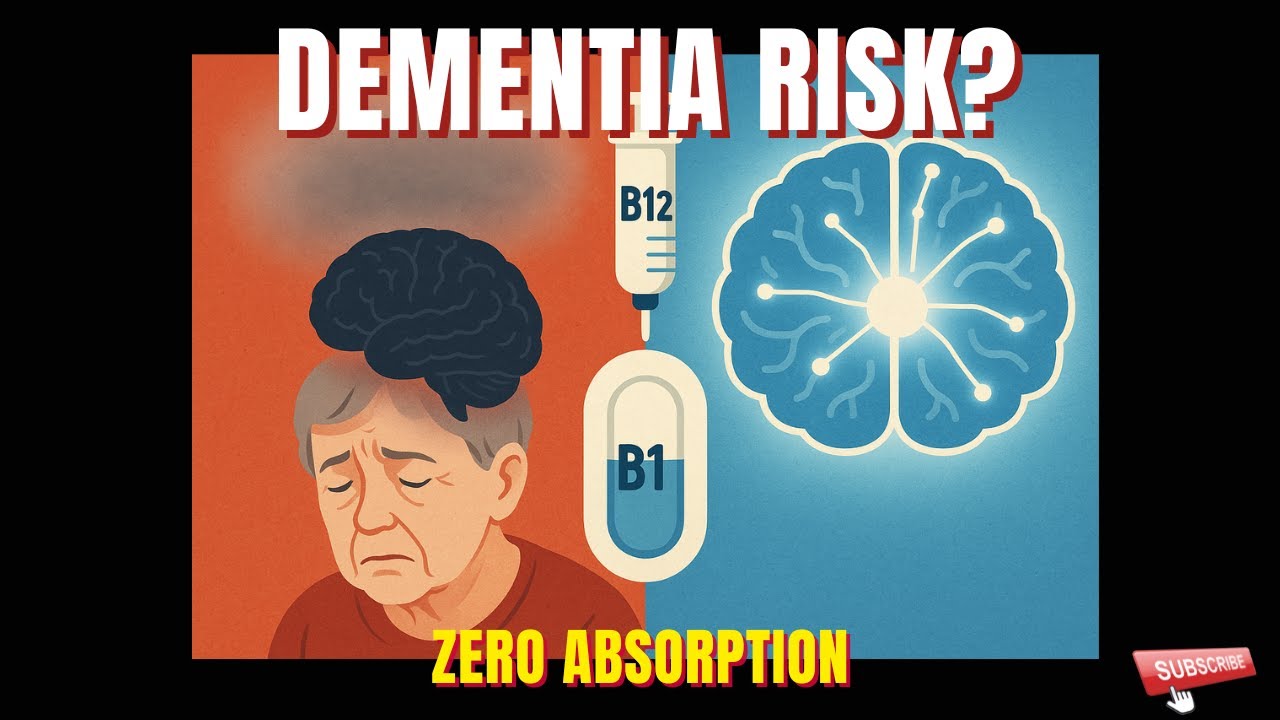
🧠💪 ESSENTIAL VITAMINS for Seniors: B12, D, K & C Secrets for Optimal Wellness & Bone Health!
As we gain wisdom and years, our bodies change, making it difficult to absorb essential vitamins, even if we maintain the same diet. Did you know deficiency in key nutrients like B12 can significantly increase your risk of developing cognitive decline and dementia? This comprehensive guide reveals the five indispensable vitamins and one crucial mineral sidekick required for vitality in old age.
Key Nutrients & Sources:
🥩 B12 (Cyanocobalamin): Found in meat, seafood, dairy products, and eggs. Vital for proper nerve and blood cell health.
☀️ Vitamin D & Calcium: Found in milk, salmon, egg yolk, and mushrooms. Paramount for bone calcification and muscle strength starting around age 50.
🥦 Vitamin K: Found in spinach, broccoli, and cabbage. Key for blood circulation, coagulation, and prevents calcium buildup in arteries.
🍊 Vitamin C: Found in oranges, kiwis, and strawberries. Boosts the immune system and promotes wound closing and tissue repair.
🩸 Folic Acid (B9): Works with B12 to stimulate the production of red blood cells, fighting anemia, weakness, and fatigue.
Practical Tips & Precautions:
The best way to obtain nutrients is through a balanced diet rich in fruits, vegetables, and lean proteins, but supplements can complement your intake if deficiencies exist. Always combine proper nutrition with active movement (like walking, cycling, or soft strength exercises) to build muscle and prevent frailty, as passive movement does not build new tissue. Aim to drink 6 to 8 glasses of water daily, as the sensation of thirst often diminishes with age.
⚠️ CRITICAL WARNINGS: Vitamin D is a fat-soluble vitamin; exceeding 4,000 IU/day can cause serious toxicity, potentially leading to hypercalcemia, confusion, and kidney stones. If you take anticoagulants (like Warfarin), you must maintain a constant Vitamin K intake and discuss the precise amount with your doctor, as sudden changes can be dangerous.
Curiosity Fact:
Did you know that supplementing 500 mg of Vitamin C daily for three months may potentially rejuvenate the immune system in older adults, achieving immunity values comparable to those of people in their thirties?
Hit subscribe for more vitality tips! Which vitamin surprised you most today? Let us know in the comments! 👇
#VitaminB12 #BoneHealth #SeniorWellness #VitaminD #HealthyAging #NutrientAbsorption #CognitiveHealth #VitaminK
Disclaimer:
Vitamins, minerals, and herbal remedies (such as CoQ10 or Ginseng) can significantly interact with prescribed medications, sometimes increasing toxicity or decreasing effectiveness. Less than 50% of patients inform their doctor about supplement intake. It is absolutely paramount to discuss everything you take—including supplements and herbal remedies—with your healthcare provider before starting any new regimen. Safety always comes first.
[Music] [Music] Hello and a very warm welcome. You know, the fact that you’re here tells me you’re someone who really cares about your health. And honestly, that is the single best investment you can ever make. Today, we’re going to tackle a really important, but let’s face it, often confusing topic. The unique nutritional needs our bodies have as we get older. So, my goal today is pretty simple. I want to help cut through all the noise out there and just give you clear, trustworthy information. It’s all about feeling empowered, right? So, you can make the absolute best decisions for a healthy, vibrant life. So, let’s jump right in. Let’s start with a big number. 83%. Just think about that for a second. That is the percentage of adults over the age of 65 who take some form of vitamin or supplement. It’s it’s huge. Which really shows how many of us are actively trying to do the right thing for our health. And that well, that’s the million-doll question, isn’t it? Because taking a supplement is one thing, but making sure it’s exactly what your body needs and not something that could potentially cause problems, that’s the real key. And that’s exactly what we’re going to explore together. Okay. So, here’s our game plan. First, we’ll talk about why our needs change in the first place. Then, we’ll get to know the guardian of our mind and nerves. After that, we’ll map out the blueprint for bone health and check in on our daily defense system. Then, we’ll look beyond the supplement bottle, and we’ll wrap up with the most important rule of all, safety first. So, first things first, why are we even having this conversation? Well, it’s because of a really significant change that happens as we age. our body just gets less efficient at absorbing essential nutrients from the food we eat. This means you could be eating a fantastic healthy diet and still not get everything you need. Let’s kick things off with a real powerhouse nutrient. It’s one that is absolutely crucial for keeping your nervous system humming along and your mind as sharp as attack. I’m talking about vitamin B12. You can think of B12 as the master technician for your body. It’s responsible for keeping all the wiring of your nervous system in good repair. And it’s also essential for making the red blood cells that carry oxygen to well every single part of you. And this is why a B12 deficiency is something we have to take seriously. The effects can be pretty significant, touching everything from your mood to your memory. In fact, research has shown a direct link between low B12 levels and a decline in cognitive performance in older adults. So, here’s the catch. As we get older, especially after age 50, our stomachs start producing less of the acid needed to pull vitamin B12 out of the food we eat. So, even if you’re eating plenty of B12- richch foods like fish or meat, your body might struggle to actually absorb it. It could just be passing right through. Okay, next up, let’s talk about the very foundation of our bodies, our bones. And when it comes to bone health, it’s not about a single nutrient. It’s really about a powerful team of three that have to work together. Vitamin D, vitamin K, and calcium. Here’s a simple way to think about it. Calcium is like the bricks for building a strong wall. But vitamin D, vitamin D is the construction crew that actually takes those bricks and puts them into the wall. You can have a whole pile of bricks, but without the crew, nothing gets built. You need vitamin D to actually absorb and use the calcium. Now, for adults over 70, the recommendation is generally 800 IUs a day. And IU just stands for international units. It’s just how these vitamins are measured. This is a bit higher than for younger folks. And a big reason is that as we age, our skin becomes less efficient at making its own vitamin D from sunlight. All right, I really want to pause here for a second because this next point is incredibly important. When we talk about vitamin D, we have to be really, really careful. Please hear this. More is not better. Unlike vitamin B12, which your body can just get rid of if it has too much, vitamin D gets stored in your body’s fat cells. So, taking too much can cause a toxic buildup, leading to a dangerous amount of calcium in your blood. This is exactly why you should never take more than the recommended dose unless your doctor specifically tells you to. Now, that third member of our bone team, vitamin K, also comes with a serious warning. Vitamin K is vital for blood clotting, but and this is a big butt, if you take a blood thinning medication like warerin, any sudden change in how much vitamin K you’re getting can throw that medication way off, making it either too strong or not strong enough. It’s a dangerous interaction. Okay, let’s shift gears now and talk about your body’s daily defense system. The vitamins that work around the clock to repair, protect, and energize you. Let’s look at vitamin C and its partner vitamin B9. We all know vitamin C is good for immunity, right? But here’s something amazing. Some studies suggest that for older adults, the right amount of vitamin C might actually help rejuvenate the immune system. Kind of like turning back the clock a bit on our body’s defenses. That’s a pretty powerful idea. And meet vitamin B9, which you might know as folic acid. Remember our friend vitamin B12? While B9 is its partner in crime, they work together to make those allimportant red blood cells. So, if you’re feeling just wiped out all the time, it’s worth knowing that a B9 deficiency could be part of the reason, often leading to anemia. Now, we’ve talked about a lot of specific vitamins, but I think it’s really important we take a step back for a moment and look at the whole picture because supplements, well, they’re only one piece of the puzzle. Real lasting health is always built on a solid foundation. You know, the basics, a balanced diet, moving your body, and drinking enough water. Supplements are meant to do just what their name says, supplement that healthy foundation. They’re there to fill in the gaps, but they can never ever replace the basics. And that brings us to our last, and honestly, our most important section. Trying to figure out supplements on your own, especially if you’re taking any kind of prescription medication, is just not a game you want to play. This is not a do-it-yourself project. This next statistic, it’s just staggering to me. Less than half, fewer than half of all patients actually tell their doctors about the supplements they’re taking. That creates a huge blind spot for your doctor. And frankly, it can be really, really dangerous. And the dangers are very real. I mean, look at these examples. Co-enzyme Q10 can mess with blood thinners. Jensen can interact with diabetes medication. Even something that seems as harmless as grapefruit juice can make cholesterol drugs toxic. This is exactly why your doctor and your pharmacist have to know everything you take. No exceptions. So, I’ll leave you with this question to think about. After everything we’ve talked about today, what is the one question that you’re going to ask your doctor at your next visit? Because taking what you’ve learned here and turning it into that conversation, that is the single most powerful step you can take for your health. Thank you so much for spending this time with me. I wish you all a wonderful healthy day. [Music]