#RenaHealthTalks #DrRenaMalik #HealthTips #WellnessEducation #WomensHealth #MensHealth #ReproductiveHealth #BodyAwareness #HealthyLifestyle #DoctorExplains #MedicalAdvice #RealHealthRealTalk
Description:
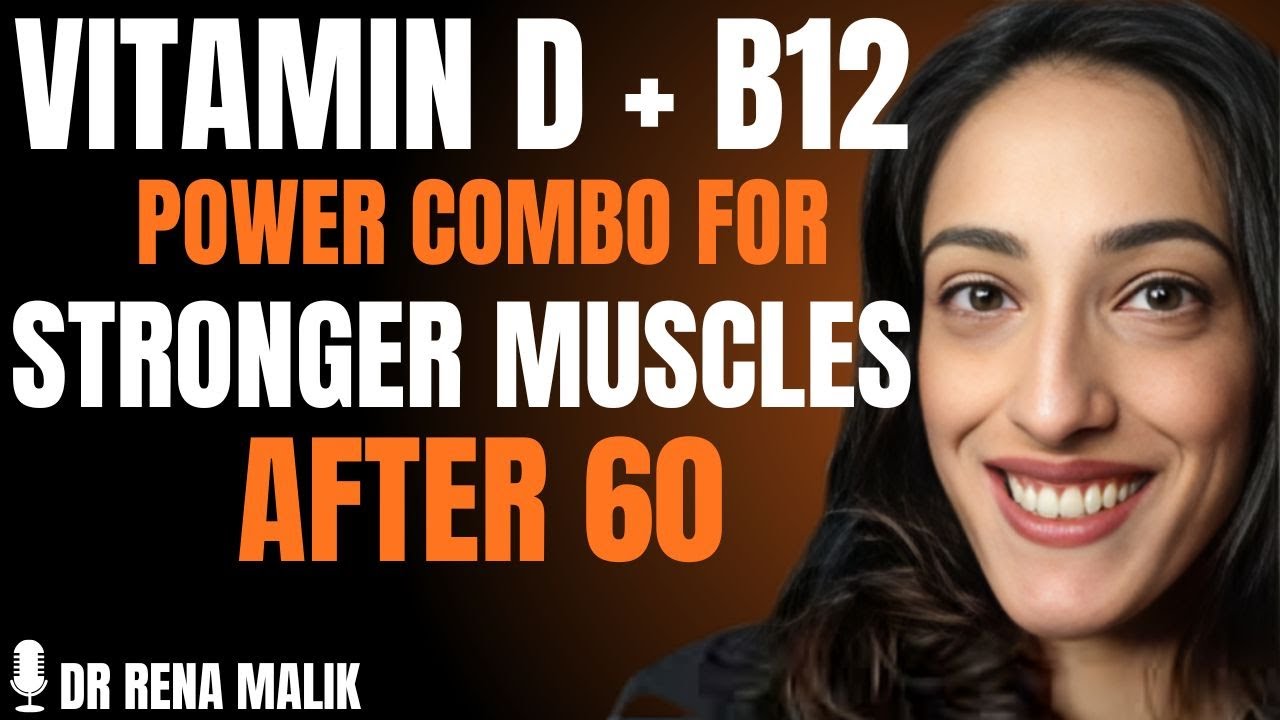
If you’re over 60 and struggling to rebuild muscle, this video is for you. Many people rely on magnesium for recovery and strength, but two essential vitamins can actually work even better — Vitamin D and Vitamin B12.
vitamin D benefits, vitamin B12 for energy, vitamins for muscle growth, rebuild muscle after 60, best vitamins for seniors, muscle recovery supplements, over 60 fitness tips, natural muscle building, healthy aging nutrition, energy after 60, vitamin D and B12 combo, supplements for older adults, improve muscle strength naturally, senior health and fitness, foods rich in vitamin D, vitamin B12 sources, prevent muscle loss, active lifestyle after 60, nutritional tips for seniors, aging strong .
Hashtags:
#vitamind , #vitaminb12 , #musclehealth , #healthyaging , #over60fitness , #seniorwellness , #musclerecovery , #ActiveAfter60, #healthylifestyle , #fitnessover60 , #longevity , #energyboost , #naturalhealth , #nutritiontips , #strongereveryday , #healthyliving , #wellnessover60 , #vitaminsforseniors , #stayactive , #rebuildmuscle .
Tags:
vitamin D and B12 benefits, rebuild muscle after 60, vitamins for strength, healthy aging tips, muscle loss prevention, energy vitamins, senior fitness, best vitamins for older adults, over 60 health advice, natural muscle recovery, nutrition for seniors, how to regain muscle, vitamins for energy and recovery, stay active after 60, muscle growth nutrition, healthy senior lifestyle, boost energy naturally, vitamin D sunlight benefits, vitamin B12 for seniors, fitness and longevity
After 60, rebuilding muscle is possible. Forget magnesium. Vitamins’s D and B12 are the real game changers for strength, energy, and recovery, keeping you active and confident at any age. After 60, one of the biggest challenges many people face is the gradual loss of muscle mass and strength. You start noticing that activities that once felt effortless, like climbing stairs, lifting groceries, or even maintaining your balance, start requiring more effort. This process known as sarcopenia is a natural part of aging, but it’s not something that has to control your life. The truth is your body is still capable of rebuilding muscle and maintaining vitality well into your 60s, 70s, and beyond. It just needs the right kind of nutritional support. And while magnesium often gets all the attention for muscle health, there are two vitamins that play an even more crucial role in helping your body stay strong, energetic, and capable as you age. Those two vitamins are vitamin D and vitamin B12. Most people know vitamin D as the sunshine vitamin, mainly because our bodies produce it when exposed to sunlight. But few realize how deeply it impacts muscle performance and overall physical function. Vitamin D acts like a hormone in the body, influencing how your muscles contract, how efficiently your body uses calcium, and even how your nervous system communicates with your muscles. When you have enough vitamin D in your system, your muscle fibers are more responsive, your balance improves, and your overall coordination becomes steadier. This is one reason older adults who maintain healthy vitamin D levels are far less likely to experience falls or physical weakness. Unfortunately, vitamin D deficiency becomes increasingly common after 60 because our skin’s ability to produce it from sunlight decreases significantly with age. Combine that with spending more time indoors or using sun protection, which is good for skin health, but limits vitamin D production, and it’s easy to see why so many people fall short. When your vitamin D levels drop too low, your muscles start to feel weaker. You might notice slower recovery after exercise, less endurance during activity, or even subtle aches that weren’t there before. This happens because vitamin D influences how efficiently your muscle fibers repair and rebuild after being used. It also supports calcium absorption, which isn’t just for bones. Calcium plays a direct role in how muscles contract and release. Without enough vitamin D, this process becomes less effective, leading to stiffness, reduced strength, and slower reaction times. Research consistently shows that supplementing with vitamin D in people who are deficient can lead to noticeable improvements in muscle performance, energy, and even posture. Foods like salmon, mackerel, sardines, and fortified milk or cereals can help, but for many older adults, getting enough vitamin D from food alone isn’t enough. That’s where high quality supplements or a few minutes of safe sun exposure can make a meaningful difference. Now, vitamin B12 works on a completely different but equally important level. While vitamin D strengthens the physical structure and performance of muscles, vitamin B12 powers the systems that keep your muscles energized and responsive. B12 is essential for red blood cell production, which means it directly affects how much oxygen your muscles receive. When your muscles are well oxygenated, they perform better, fatigue more slowly, and recover faster. Without enough B12, oxygen delivery slows down, energy levels drop, and your body begins to feel heavy and tired, even with moderate effort. Many people mistake these symptoms for just getting older, but in reality, they’re often signs of a vitamin deficiency. Vitamin B12 is also critical for your nervous system. It helps maintain the health of your nerve cells and supports the communication pathways that allow your brain to send signals to your muscles. Every movement you make from lifting your arm to taking a step depends on this nerve to muscle connection. When B12 levels are low, those signals become weaker or delayed and your coordination can suffer. You might experience tingling in your hands or feet, slower reflexes or a general sense of fatigue. Restoring your B12 levels brings those nerve connections back to life, improving muscle control, alertness, and reaction time. After 60, it becomes harder for the body to absorb B12 from food because the stomach produces less acid, which is necessary to release B12 from the proteins in food. That’s why many older adults, even those with healthy diets, end up deficient without realizing it. B12 is found mainly in animal products like fish, eggs, chicken, beef, and dairy. But absorption depends on a healthy digestive process. supplements, especially sublingual O under the tonging or liquid forms, can be more effective because they bypass the stomach and go directly into the bloodstream. When vitamin D and B12 work together, they form a powerful combination for muscle preservation and overall vitality. Vitamin D strengthens the structural integrity of your muscles and bones, while B12 ensures that your nervous system and red blood cells deliver energy and oxygen efficiently. Think of vitamin D as the builder and B12 as the power source. Together, they keep your muscles active, resilient, and well fueled. This combination supports not just physical strength, but also mobility, endurance, and confidence in everyday movements. The synergy between these vitamins also supports hormone balance and recovery. Vitamin D has been linked to testosterone and growth hormone regulation, both of which influence how your body repairs and builds muscle tissue. B12, on the other hand, supports cellular energy production by helping convert the food you eat into usable fuel. That’s why when your B12 levels are optimal, you often feel sharper mentally and stronger physically. It’s not just about having energy. It’s about having sustainable balanced energy that supports both your mind and your muscles throughout the day. Another overlooked benefit of maintaining healthy levels of these vitamins is their impact on metabolism. As muscle mass decreases with age, metabolism tends to slow down, leading to weight gain and reduced energy. But vitamin D and B12 both play a part in keeping metabolism active. B12 supports the breakdown of fats and carbohydrates for energy, while vitamin D helps regulate insulin and glucose levels, keeping your energy stable. Together, they help maintain lean body mass and prevent that sluggish feeling that often comes with aging. What’s remarkable is how quickly some people notice improvements once they restore proper vitamin levels. within weeks of getting enough vitamin D and B12. Many report better balance, faster recovery after exercise, less fatigue, and even improved mood. That’s because these vitamins don’t just act on your muscles. They affect your brain, energy systems, and hormone function as well. They bring your body back into alignment, allowing you to move, think, and feel better. Of course, no vitamin can work in isolation. To truly rebuild muscle after 60, you also need consistent movement, good hydration, and enough protein in your diet. But think of vitamin D and B12 as the foundation, the nutrients that make every other effort more effective. When your body has what it needs on a cellular level, the results from exercise and good nutrition multiply. You start feeling stronger, more capable, and more energized throughout your day. And the best part is that this isn’t about reversing time or chasing youth. It’s about giving your body what it needs to function at its best right now. Every year after 60, your body becomes a little more sensitive to nutritional gaps. Paying attention to these two key vitamins can make a huge difference, not just in your physical health, but in how you experience aging itself. Stronger muscles mean better independence, more confidence, and a higher quality of life. When your body feels strong, your mind follows, and that’s the real goal. Staying active, alert, and full of life, no matter your age, by focusing on vitamin D and vitamin B12. You’re giving your body what it truly needs to stay strong, energetic, and resilient after 60. These nutrients rebuild muscle, boost recovery, and support lasting vitality. Start today. Stay consistent and let your body prove that strength has no age limit.