Seniors, 4 WORST Vitamins You Should NEVER Take and 4 You MUST Take Daily | Senior Health Tips
Discover the truth about vitamins and aging in this eye-opening video designed especially for older adults. Learn which supplements may be silently harming your heart, memory, and energy — and which ones can truly restore your vitality after 60. Backed by real science and explained in simple terms, this guide reveals the 4 worst and 4 best vitamins every senior should know about. Perfect for anyone seeking natural ways to stay strong, independent, and full of life. Watch now for powerful Senior Health Tips, expert-backed advice, and essential Senior Health Tips to help you live longer and feel better every day — real Senior Health Tips that matter.
🔽 Timestamps:
00:00 – Senior Health Tips
01:51 – High-Dose Vitamin E Supplements
04:42 – Iron Supplements
07:18 – Mega Doses of Vitamin B6
10:17 – Synthetic Multivitamins with Fillers and Megadoses
13:03 – Vitamin D3 + K2
15:53 – Vitamin B12
18:36 – Magnesium
21:27 – Omega-3
24:36 – The Power of Choosing Right
► Playlists: Senior Health Tips
• https://www.youtube.com/watch?v=38hYPKMY-zY&list=PLB9WE_Kb4TT0-JcBADLBPlxppoQ3HGBsl
► The BRAIN Doctor, I’m SHOCKED: THIS Shower Habit Raises Stroke Risk Overnight
• https://www.youtube.com/watch?v=6dXLrWVZAwQ
► Seniors? Eat These 7 Collagen-Rich Foods to Build Muscle Fast
• https://www.youtube.com/watch?v=7CjF3PNfqo4
► Seniors, Eat 7 Collagen-Rich Fruits to Reduce Leg Swelling and Strengthen Joints
• https://www.youtube.com/watch?v=3A5mwR0i3zY
► The BRAIN Doctor, I’m SHOCKED: THIS Vegetable Raises Stroke Risk Overnight
• https://www.youtube.com/watch?v=bkF1_Glw8CE
#seniorhealthtips #seniorhealth #drthomasseniorhealthtips #drthomas
► Dr. Thomas is your trusted guide for Senior Health Tips and well-being. We share practical advice, expert insights, and uplifting stories to support aging with confidence, strength, and wisdom. From everyday wellness routines to professional Senior Health guidance, and through our engaging health podcast, we help you live smarter, healthier, and more empowered each day.
▬▬▬▬▬▬▬▬▬▬▬▬▬▬▬▬▬▬▬▬▬▬▬▬▬▬▬
👍 If you found this video helpful, please like ❤️, share your thoughts 💬 in the comments, and subscribe 🔔 to stay updated with more expert tips and wisdom for seniors! ✨
All research and content are carefully created by us.
► Thank you for watching. We put a lot of effort into bringing you this content, and we hope it inspires and benefits you.
© This material is copyrighted (audio and video). Any use without permission may be subject to copyright law.
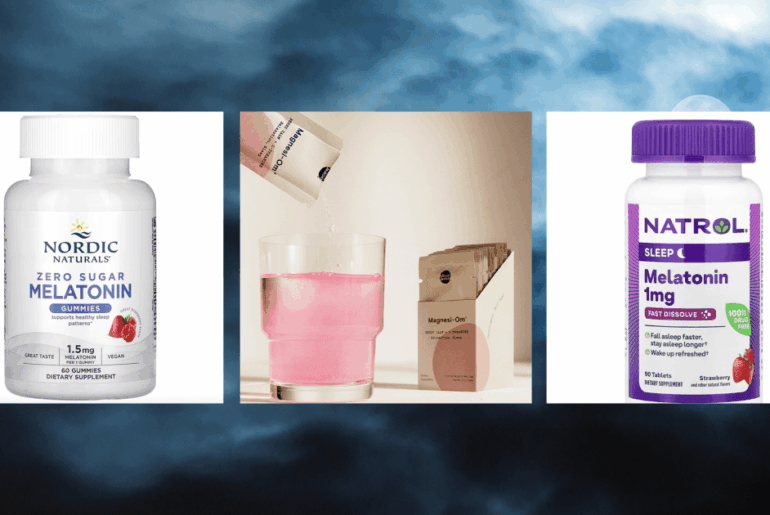
Did you know that some of the vitamins sitting in your medicine cabinet, the very ones you believe are keeping you healthy, could actually be silently speeding up aging, damaging your heart, and clouding your memory? It sounds unbelievable, doesn’t it? For decades, Americans over 60 have been told that taking vitamins daily is the key to staying strong and independent. But shocking new research from the Journal of the American Geriatric Society reveals a different truth. More than half of seniors are taking the wrong supplements and paying for it with their health. You see, not all vitamins are created equal. Some can fuel inflammation, thin your blood, or overload your liver, while others can literally rebuild your cells, sharpen your mind, and add years of vitality to your life. The difference between the two could mean the difference between feeling 60 and feeling 80. So tonight, we’re cutting through the myths in marketing. I’ll show you the four worst vitamins you should never take after 60 and the four best vitamins your body needs every single day to stay sharp, strong, and truly alive. Because when it comes to aging, well, the truth isn’t in the label, it’s in the science. And what you’re about to learn might change your morning routine forever. Before we dive in, if you haven’t subscribed yet, I recommend you hit that button and turn on the bell so you never miss another health tip made just for you. If you enjoy this video, type one in the comments. If not, type zero to let me know how I can make better content for you. Part one, the four worst vitamins for seniors. One, highdose vitamin E supplements. At first glance, vitamin E seems harmless, even healthy. For decades, doctors and commercials praised it as the heart vitamin. Many seniors still take it daily, believing it protects their arteries and keeps their skin young. But hidden beneath that promise is a truth few people over 60 ever hear. Too much vitamin E can quietly destroy the very heart it’s supposed to protect. Clinical studies from John’s Hopkins University and the National Institute on Aging revealed something alarming. Older adults who took more than 400 IU of synthetic vitamin E each day had a 20% higher risk of heart failure and hemorrhagic stroke. In plain terms, the vitamin meant to help your heart can actually make it weaker, thinner, and more fragile. The reason lies in chemistry. Most over-the-counter vitamin E pills are synthetic DL alpha tocopherol, a factory-made version your body doesn’t fully recognize. It builds up in your tissues, upsetting the natural balance of antioxidants and turning from a shield into a spark that fuels oxidative stress, the silent rusting of your cells. Dr. Dr. Linda Harrison, a cardiologist in Cleveland with 30 years of experience, recalls one patient, George, age 72. He took highdose vitamin E every morning for his heart. After a minor fall caused internal bleeding, doctors found his blood dangerously thin. He thought he was doing the right thing, Dr. Harrison said quietly. But the supplement he trusted was working against him. The safest source of vitamin E isn’t a capsule. It’s your kitchen. A handful of almonds, a spoon of olive oil, or a sprinkle of sunflower seeds provides all the natural mixed tocopherols your body needs without the risk. Because in the end, it’s not just about adding vitamins. It’s about knowing which ones can quietly shorten your story instead of lengthening it. And if you think vitamin E was surprising, wait until you hear about the next culprit, a supplement many seniors take every morning that may be slowly aging the brain itself. If you’re still watching and finding these insights helpful, please comment number one below to let me know you’re with me. Now, let’s move on to point number two. Two, iron supplements unless prescribed. Iron. It sounds strong, vital, lifegiving. For years, many older Americans have believed that taking an iron supplement each morning is the key to keeping their blood healthy and their energy high. But here’s the truth. No one tells you. After age 60, too much iron can quietly poison your body from the inside out. Unlike when we were young, our bodies no longer shed iron as easily. After menopause or retirement age, the need for iron drops sharply. Yet, the habit of taking extra iron for energy continues. The result is iron overload, or what doctors call hemocromattosis light, a slow, silent buildup of metal in your organs. Once iron settles in the liver, brain, and heart, it doesn’t leave easily. It oxidizes, literally rusting your tissues from within. Dr. Michael Rosen, a geriatric specialist from Boston, remembers a patient named Evelyn, 76. She was always tired, dizzy, and slightly forgetful. Thinking she was anemic, she’d been taking iron supplements for years, but her blood test told a shocking story. Her iron levels were nearly double the safe limit. That extra iron had been quietly damaging her liver and accelerating inflammation in her brain. She didn’t need more iron. Dr. Rosen said softly. She needed less. Scientific evidence supports his warning. Research from the Mayo Clinic and Harvard Medical School links high iron levels in seniors to increased risks of Alzheimer’s, heart disease, and premature aging. Iron fuels oxidative stress, feeding the same inflammation that makes joints ache and memory fade. So unless your doctor specifically diagnoses iron deficiency, avoid multivitamins labeled with iron. Get your iron naturally from leafy greens, beans, and lean meats, not pills. Because sometimes what feels like more energy is actually the body fighting a toxin it can’t release. And if iron can quietly corrode your heart and brain, wait until you hear about the next vitamin. One that promises nerve health but can actually damage your nerves beyond repair. Three mega doses of vitamin B6. Vitamin B6 is often sold as the nerve protector, the one vitamin said to keep your hands steady and your mind sharp. But for many older Americans, that same capsule can quietly become the trigger of a nightmare. One that mimics the very diseases it claims to prevent. Here’s the hidden truth. When taken in high doses above 100 mg per day, vitamin B6 can damage your nerves, not heal them. This damage called peripheral neuropathy causes tingling, numbness, burning, and pain in the hands and feet. For many seniors, those symptoms are mistaken for diabetes or poor circulation. And the real cause their healthy supplement m goes unnoticed. Dr. Dr. Laura McConnell, a neurologist from Arizona, recalls a patient named Henry, 69, who came in complaining of pins and needles that never went away. He thought it was just age catching up to him. But after a few tests, Dr. McConnell found his B6 levels were three times the normal range. Henry had been taking a nerve support complex he saw advertised on television. It contained 200 mg of B6 per capsule. He thought he was protecting his nerves, she said, but in truth, his nerves were dying, one cell at a time. What makes this so dangerous is that the damage from B6 toxicity can be irreversible if caught too late. The vitamin accumulates silently in nerve tissue, slowly dulling sensation, weakening muscles, and affecting balance. A devastating combination for anyone over 60. Studies from the National Institutes of Health confirm this risk, warning that seniors are far more vulnerable because their bodies clear B6 more slowly. The irony is painful. A vitamin once meant for vitality can steal mobility and independence instead. If you want to protect your nerves, skip the mega doses. The body needs only about two milligrams per day. Easily met through real food. Poultry, bananas, oats, and fish. Sometimes less truly is more. And if you think that’s unsettling, the next vitamin on this list is even more deceptive. A supplement millions of seniors take every morning, believing it’s keeping them alive, while it may in fact be shortening their lives. If you’re still watching and finding these insights valuable, please comment number one below to let me know you’re here. Now, let’s keep going with point number four. Four. Synthetic multivitamins with fillers and mega doses. Every morning, millions of seniors across America reach for a shiny bottle labeled complete multivitamin for adults 50 plus. It’s a comforting ritual. a single pill that promises to fill the gaps to protect the heart, the brain, and the bones. But what if that little tablet taken faithfully each day is doing more harm than good? Most multivitamins on the shelves today are not nutritions. They’re chemistry. Behind the bright labels and smiling seniors on the box lie synthetic compounds, artificial colors, titanium dioxide, and cheap forms of vitamins your body cannot absorb. These pills are made for profit, not for health. And when you swallow them daily, those fake nutrients accumulate, quietly stressing your liver, your kidneys, and your heart. Dr. Karen Blake, an integrative medicine physician in Florida, tells the story of Robert, a 74year-old retired engineer. He took a popular senior silver multivitamin every morning for nearly a decade when he began feeling weak and lightaded. Blood tests revealed elevated liver enzymes and dangerously high vitamin A levels. He wasn’t overdosing on junk food, Dr. Puni. Dr. Blake said he was overdosing on his multivitamin. The synthetic vitamin A and niacin had slowly built up, turning a daily habit into a toxic burden. And that’s the frightening truth. Your body doesn’t always know what to do with synthetic vitamins. Unlike nutrients from real food, these isolated chemicals often bypass your body’s natural balance, causing oxidative stress. the same cellular rust linked to aging, cancer, and heart disease. Add in hidden fillers like hydrogenated oils, and artificial dyes, and you have a formula for fatigue, headaches, and inflammation, all while believing you’re doing something healthy. If you take a multivitamin, make sure it’s food-based, third-party tested, and free of synthetic additives. Your body deserves nourishment, not lab waste. Because the truth is, the right vitamins can transform your health, but only if they come from the right sources. And now that we’ve uncovered the dangers, it’s time to turn the page and reveal the four essential vitamins every senior should take daily to live stronger, longer. Part two, the four best vitamins for seniors to take daily. One, vitamin D 3 plus K2. As we age, sunlight, once our body’s natural source of vitality, stops working the way it used to. Our skin no longer converts sunlight into vitamin D efficiently, even if we spend time outdoors. That’s why nearly 70% of adults over 60 in America are vitamin D deficient. And the consequences are serious. brittle bones, weak muscles, fragile immunity, and even memory loss. But what most seniors don’t realize is that taking vitamin D alone isn’t enough and can even be dangerous without its partner, vitamin K2. Dr. Samuel Reed, an endocrinologist with over 30 years of experience, explains it best. Vitamin D tells your body to absorb calcium, but without K2, that calcium has no direction. It can harden your arteries instead of strengthening your bones. Imagine believing you’re protecting your bones while the calcium you take is silently turning your arteries to stone. That’s the heartbreaking truth he’s seen too many times in his clinic. Take Eleanor, a 78-year-old retired teacher from Illinois. She took 2,000 IU of vitamin D daily for years, thinking she was doing everything right. Yet a scan revealed early calcification in her coronary arteries. Her body had been depositing calcium where it didn’t belong. When Dr. Reed adjusted her regimen to include vitamin K 2 MK7 form 100 micrograms daily, her next scan showed stability and her bone density began improving. It was like giving her calcium a GPS. He said, “Vitamin D3 and K2 work as a team. One helps you absorb, the other guides. Together, they protect your bones, your heart, and even your brain.” Studies from the Journal of Nutrition and Aging confirm that seniors with higher D3 and K2 levels not only have stronger bones, but also better cognitive health and fewer falls. So, if you’re taking vitamin D alone, you’re only doing half the job. Pair it with K2 and you’re turning a simple supplement into a shield for your whole body. Because when it comes to protecting your mind and energy after 60, there’s another vitamin that holds the secret. One that fights fatigue, sharpens memory, and brings back mental clarity you thought was gone forever. Two, vitamin B12 methylcobalamin form. There’s a quiet epidemic spreading among older Americans, one that doesn’t make headlines, but steals health, energy, and clarity little by little. It’s vitamin B12 deficiency. And it affects nearly 4 in 10 seniors in the United States. The frightening part, most don’t even know it’s happening. They simply wake up one day feeling slower, more tired, more forgetful, and assume it’s just old age. But the truth is far more hopeful, and far more urgent. Vitamin B12 is the spark plug for your brain and nervous system. It helps create red blood cells, carry oxygen, and build the protective coating around your nerves. Without it, your mind grows foggy, your balance unsteady, and your mood heavy. But as we grow older, our stomachs produce less acid. The very acid that unlocks B12 from food. That means even if you eat well, you may still be starving your brain of this vital nutrient. Dr. Angela Morris, a neurologist from Denver, remembers Frank, a 74year-old retired firefighter who came to her convinced he had early dementia. He was forgetting names, missing appointments, even getting lost while driving. Tests showed his B12 levels were dangerously low. After 6 weeks of taking methylcobalamin, the active absorbable form of B12, his clarity returned. He didn’t have dementia. Dr. Morris said he had a deficiency. Science echoes her experience. Studies from the American Journal of Clinical Nutrition show that restoring B12 can improve focus, mood, and even slow brain shrinkage in older adults. The key is the methylcobalamin form, not the cheap cyanocobalamin used in most store brand vitamins. This active form bypasses digestion and goes straight to your cells. If you’ve been feeling more forgetful, tired, or irritable lately, don’t just blame aging. Sometimes it’s your body quietly calling for help, and B12 might be the answer. But there’s another nutrient even more underestimated. One that calms your heart, relaxes your muscles, and helps you sleep like you did 20 years ago. and almost every senior in America is missing it. Three, magnesium, glycinate, or malate form. There’s a reason so many seniors wake up tired, stiff, or restless at night. And it often has nothing to do with aging itself. The truth is, most older adults in America are running on empty when it comes to magnesium, one of the body’s most essential minerals. This quiet deficiency doesn’t scream for attention, but its effects are everywhere. Muscle cramps that come out of nowhere. Heart palpitations that make you sit up in bed. Anxious thoughts that won’t quiet down. And nights spent tossing and turning even when you’re exhausted. Magnesium is the calm conductor of the body. It regulates over 300 vital functions from heart rhythm and nerve signals to blood sugar and sleep quality. Yet, studies from the National Institutes of Health show that nearly 70% of people over 60 don’t get enough of it. Why? Because aging kidneys excrete more magnesium. Medications like diuretics and acid blockers deplete it further. And modern diets stripped of minerals fail to replace what’s lost. Dr. Robert Klene, a cardiologist from California, once treated Doris, a 79-year-old grandmother who came to him with erratic heartbeats and constant fatigue. Her previous doctor had prescribed new medication, but the real problem was much simpler. Her magnesium levels were critically low. After a month on magnesium glycinate, her heartbeat steadied, her muscles relaxed, and for the first time in years, she said she slept like a child again. It wasn’t her heart that was broken, Dr. Klein said. It was her balance. Her body’s natural rhythm was out of tune. The right form of magnesium matters. The cheap kind, magnesium oxide, barely absorbs and often causes diarrhea. But magnesium, glycinate, or malate absorbs deeply, soothing the body without harsh side effects. It’s the mineral of calm, the nutrient of renewal. When your magnesium is restored, your heart beats steadier, your mind quiets, and your sleep deepens. It’s as if your body finally exhales. And while magnesium restores calm to your nights, the next nutrient does something even more powerful. It can protect your heart, sharpen your memory, and literally extend your life from the inside out. Four, omega-3, fish oil, or algaebased DHA/ EPA. Among all the nutrients that science has studied over the last 50 years, none has proven more vital for aging gracefully than omega-3 fatty acids. They are quite literally food for your brain, fuel for your heart, and medicine for your joints. Yet, tragically, most seniors in America aren’t getting enough. And their bodies are paying the price. Omega-3s found mainly in fish oil or algaebased supplements contain two powerful components EPA and DHA. Together they reduce inflammation, keep your arteries flexible, and build the very structure of your brain cells. But as we grow older, our bodies produce less of these precious fats. And the result can be seen in the mirror and felt in the body. stiffer joints, slower thinking, mood swings, and a heart that doesn’t beat as confidently as it once did. Dr. Emily Carter, a cardiovascular specialist from Seattle, tells the story of John, a 73-year-old Vietnam veteran who came to her with constant fatigue and memory lapses. He believed it was just part of getting old. Blood tests revealed his omega-3 index was dangerously low, far below the level associated with heart and brain protection. After three months of supplementing with highquality fish oil, 1,000 mg of combined EPA and DHA daily, John’s transformation was remarkable. His energy returned, his concentration sharpened, and even his wife noticed he was laughing more again. It was like the lights came back on. Dr. Carter said, “Science confirms this. A Harvard study found that seniors with higher omega-3 levels have up to 27% lower risk of dying from heart disease and significantly better cognitive performance. Omega-3s act as a natural anti-inflammatory shield, soothing the silent damage caused by decades of stress, poor diet, and pollution. The key, however, is purity. Always choose wild caught fish oil or algaebased DHA/ EPA tested for heavy metals and oxidation. Because when your heart beats stronger and your mind feels clearer, life itself feels lighter. Omega-3 isn’t just a supplement. It’s a reminder that age doesn’t have to dull your light. It can help it shine brighter. And now that you’ve discovered the nutrients that protect your heart, brain, and longevity, it’s time to see how bringing them together in the right balance can transform not just your health, but the way you live each and every day. Final reflection. The power of choosing right. At this stage in life, every choice matters more than ever. What you eat, how you move, and what you give your body. each morning. Vitamins are no longer just about filling gaps. They are the building blocks of how you think, move, and feel every single day. The wrong ones can quietly drain your strength, but the right ones can bring you back to life. Sharper mind, steadier steps, and a heart that beats with purpose again. For seniors, health isn’t about chasing youth. It’s about preserving dignity, independence, and the joy of being present for the people you love. Vitamins like D3 plus K2, B12, magnesium, and omega3 are not miracle pills. They’re nature’s tools designed to help your body age with grace and vitality. Science proves it, but more importantly, real lives reflect it. So tonight, as you look at your medicine cabinet, ask yourself one question. Are these pills adding years to my life or life to my years? Because aging doesn’t have to mean decline. Not if you choose with wisdom. The best years of your story can still be ahead. All it takes is the courage to start choosing right, beginning today. These lessons are meant to inspire you to live fully and authentically. Now, I’d love to hear from you. Take a moment to reflect and share one thing you’ve learned and plan to apply in your own life. Let’s support each other on this journey toward embracing these truths. If you enjoyed this video, please leave a comment with one. If not, feel free to comment with zero. Your feedback means a lot to us. Don’t forget to like, share, and subscribe to our YouTube channel for more content like this. Thank you for watching, and here’s to living life on your own terms.