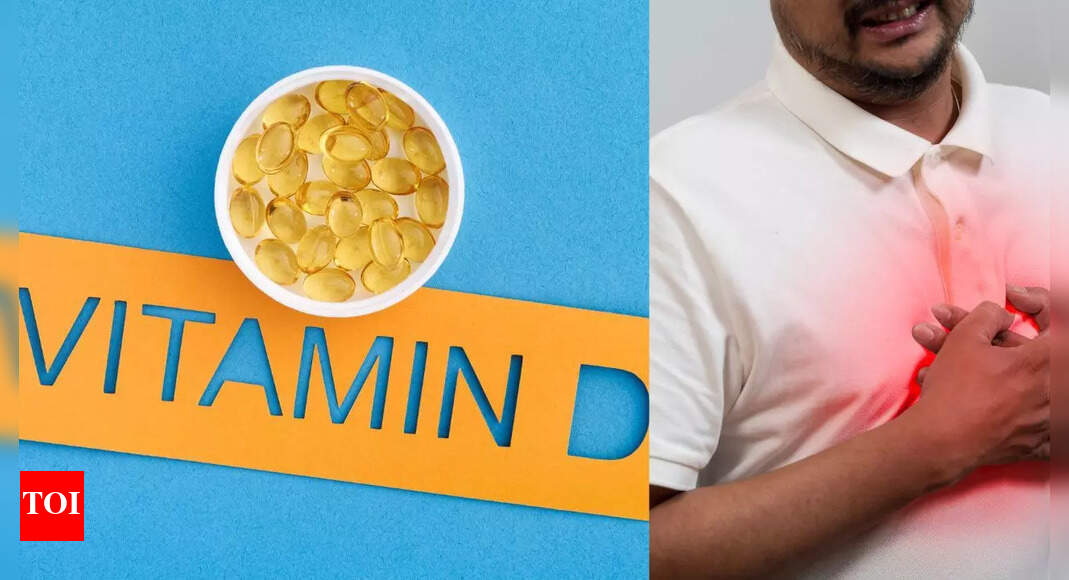
 Vitamin D, often referred to as the “sunshine vitamin,” is best known for its role in supporting bone strength and immunity. However, new findings suggest it may also play a helpful role in protecting heart health, particularly in older adults. A recent study published in The BMJ found that regular vitamin D supplementation may modestly reduce the risk of major cardiovascular issues, including heart attacks. While the benefits are not dramatic, they add to growing evidence that vitamin D’s influence extends beyond bones and immunity. For ageing individuals, especially those already managing heart risks, maintaining healthy vitamin D levels may offer an additional layer of support for long-term cardiovascular well-being.
How Vitamin D supports heart health as you age
Heart disease remains a leading cause of illness and death worldwide. As people age, the risks of heart attacks, blocked arteries, and related complications rise sharply. Earlier studies had noticed that people with low vitamin D levels often had higher cardiovascular risk, but the evidence from controlled trials had been inconsistent. The latest research attempts to clear that uncertainty, showing that vitamin D may contribute to cardiovascular protection, especially in older adults and those already managing heart risk through medications.
Easy ways to increase your Vitamin D intake
Vitamin D appears to support heart health by helping regulate blood pressure, reducing inflammation in blood vessels, improving arterial elasticity, and supporting proper calcium balance in the heart and vascular system. Moreover, adequate vitamin D may enhance the effects of cholesterol-lowering and blood pressure medications, reduce the likelihood of heart rhythm disturbances, and strengthen overall cardiac function, potentially lowering the risk of heart attacks and other serious events as people age.
Notable benefits of Vitamin D for heart attacks
One of the clearest findings was a reduced risk of heart attacks. This effect, while still modest, was more pronounced than other cardiovascular outcomes.Potential support for those already on heart medicationsPeople who were already using medications like statins appeared to benefit more from vitamin D supplementation. This suggests vitamin D might work well as an added supportive measure, especially for individuals already managing heart disease risk.No clear reduction in stroke riskWhile heart attack risk showed improvement, the study did not find a significant difference in the risk of stroke.Possible reduction in major heart problemsThose taking vitamin D showed a slightly lower likelihood of developing serious heart-related issues over the study period
Who might find Vitamin D most helpful
The research points to certain groups who might benefit the most:Older adults, especially those above 60People are already taking heart-related medications, such as statinsIndividuals with low sun exposure or limited dietary intakeHowever, vitamin D should not be viewed as a substitute for medical treatment or lifestyle changes. Instead, it may serve as a simple addition to broader heart-health strategies.
Important considerations and limitations
While the findings are encouraging, experts note a few important points:The benefit, though real, is moderate, not dramatic.The study may not represent people with severe vitamin D deficiency, since many such individuals were not included.Vitamin D supplements are not a standalone solution for preventing heart disease.Still, given its low cost and generally safe profile, vitamin D remains a potentially useful tool in supporting long-term heart health, when taken responsibly.
What this means for older adults
For ageing adults, maintaining optimal vitamin D levels may offer an additional layer of cardiovascular protection. When combined with established measures like healthy eating, regular physical activity, and medication when needed, vitamin D supplementation could enhance overall heart health.
Should you consider taking Vitamin D
Before starting supplements, it’s advisable to:Speak with a healthcare professionalCheck your current vitamin D levels, if recommendedConfirm the right dosage, as excessive intake can be harmfulRemember, vitamin D works best as part of a broader healthy lifestyle, which includes:Eating a balanced, nutrient-rich dietExercising regularlyManaging cholesterol and blood pressureAvoiding smokingUndergoing routine medical check-upsDisclaimer: This article is for informational purposes only and should not be considered medical advice. Please consult a healthcare professional before making any changes to your diet, medication, or lifestyle.