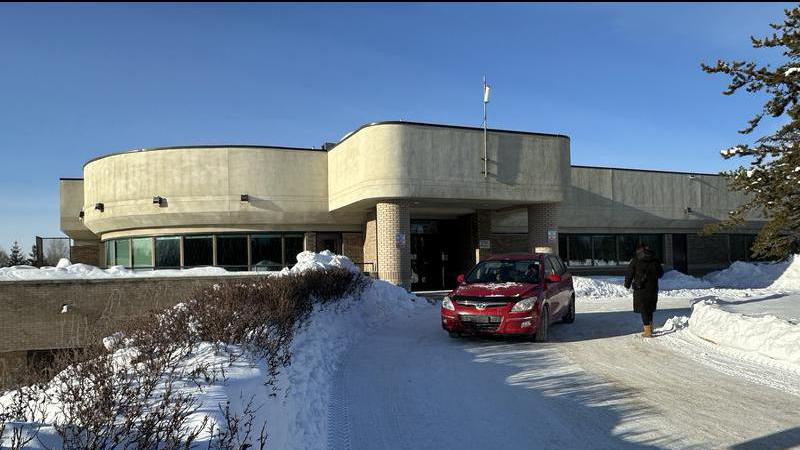
The first case in La Ronge came when a patient booked an appointment for joint pain, and during examination, the doctor noticed a curious pattern of corkscrew hairs on the person’s knee. He ordered a blood test, which showed vitamin C levels low enough to match a scurvy diagnosis.

Since the news broke, Irvine explained local medical professionals haven’t been doing additional testing.
“It’s hard to do a good vitamin C test, especially in remote places and so we have advocated for more nutritional counselling, nutritional history taking, discussions around what healthy food looks like rather than testing for vitamin C deficiency itself,” he remarked.
“In the ideal world, we would have a much better understanding of the current scope if we would have population level testing in terms of a wide range, not just in our area, but across the nation, just to see where these deficiencies may occur.”
One of the most positive aspects of Irvine’s research is knowledge of nutritional deficiency is better understood by the general public. He noted the LLRIB has put more of a focus on gardening.
They are seeking to hire someone to educated band members about how to plant a garden, as well as subsidize the cost for those wanting to start one.
“Community members have said now they are more aware of it, they appreciate the investigation, appreciate the news, and now they can just take that knowledge doing their own cooking and eating and growing.”
– with files from Glynn Brothen
–
derek.cornet@pattisonmedia.com