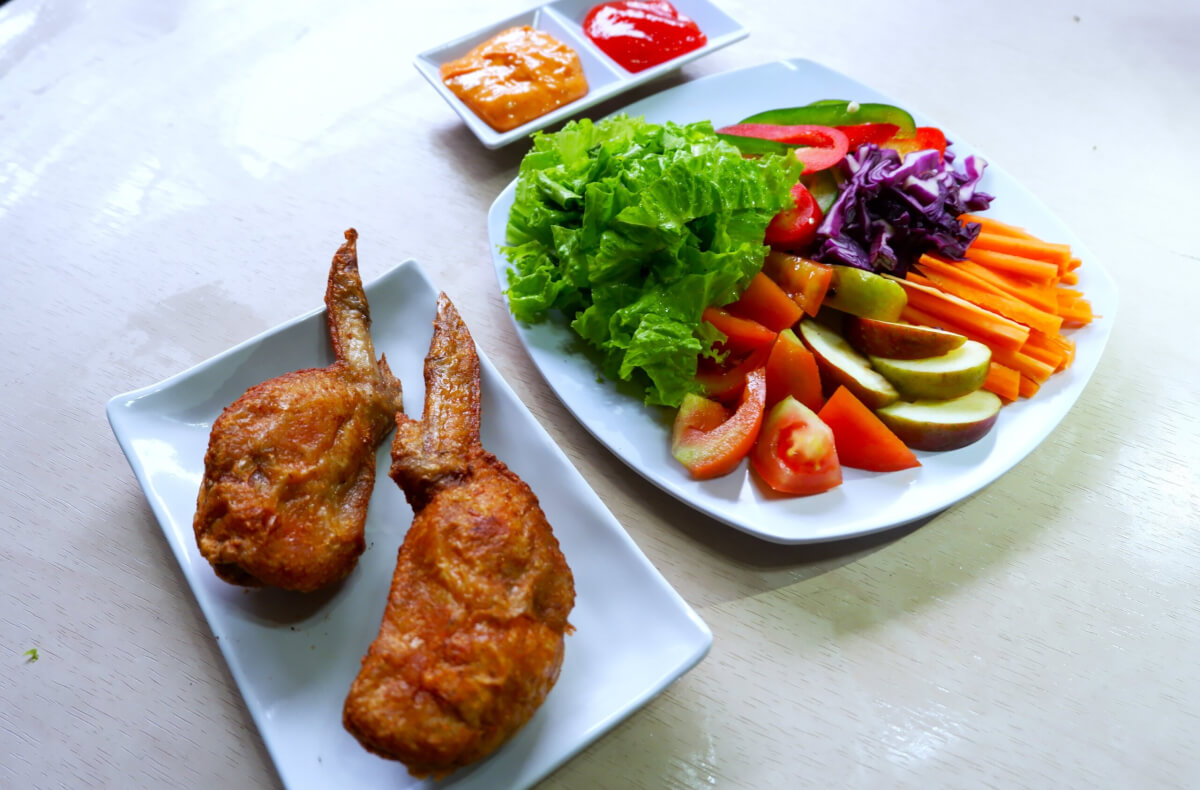
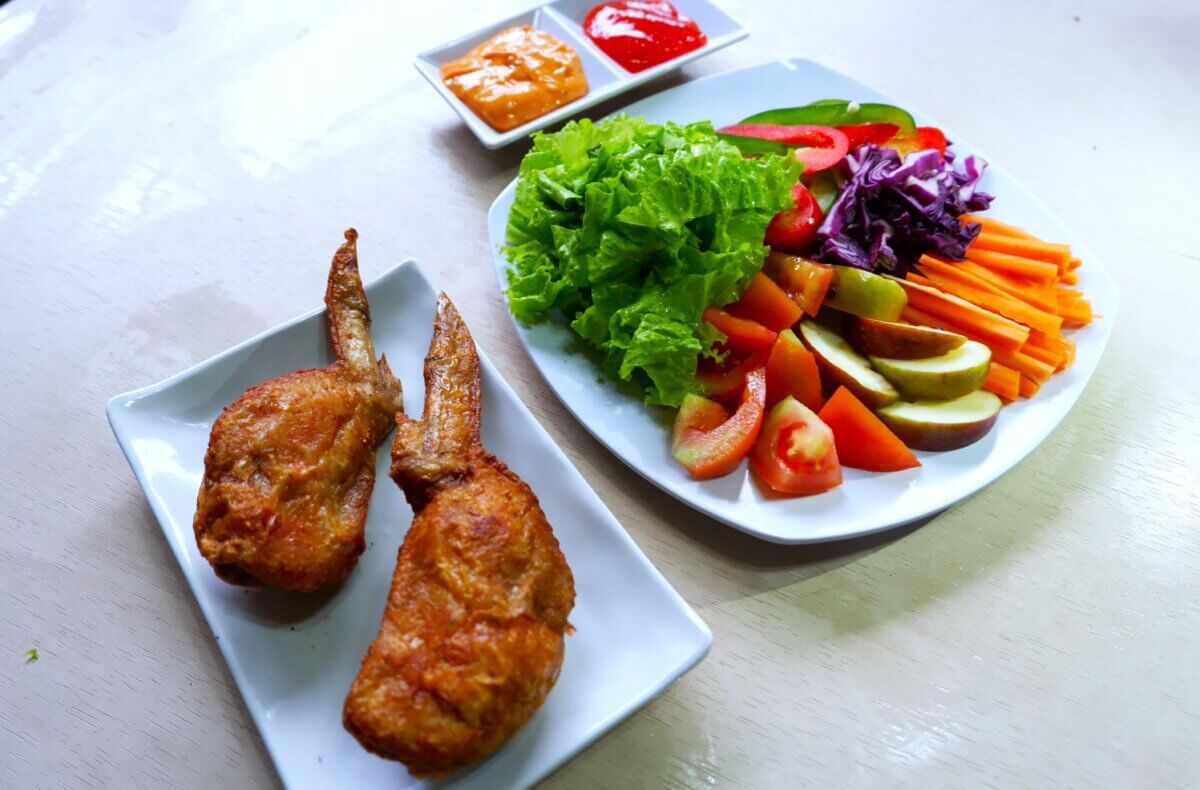
There’s more to a healthy meal than protein. (Credit: Panji Dwi Risantoro/Shutterstock)
Survey: Americans Are Loading Up on Protein While Skimping on the Wrong Nutrients
In A Nutshell
Nearly half (47%) mistakenly believe protein alone provides daily energy, when grain-based foods are actually the primary fuel source
Americans overestimate protein needs at 28% of the plate (actual recommendation is 25%) while underestimating grains at 20% (should be 25%)
55% of people who changed their diets for health did so without consulting a professional, leading many to cut carbs while simultaneously trying to increase fiber intake
Only 17% know that grain-based foods provide essential B vitamins, and 1 in 5 don’t realize grains should be eaten daily
Americans are loading up on protein while skimping on grains, getting their plate portions almost completely backwards. A survey reveals that nearly one in three people can’t even identify what a healthy meal should look like, leading to dietary choices that prioritize the wrong nutrients.
When asked to estimate proper portions for each food group, a survey of 2,000 American adults found that most people overestimated their protein needs at 28% of the plate compared to the actual recommendation of 25%. Meanwhile, they severely underestimated grain-based foods at just 20% when guidelines call for 25%.
People also fell short on fruits and vegetables, estimating they should fill 38% of the plate instead of the recommended 50%. The miscalculations reveal a fundamental misunderstanding of what the body actually needs to function properly.
Conducted by Talker Research for Grain Foods Foundation between October 21-27, 2025, the survey found that 29% of Americans admit they have no clue what constitutes a “healthy plate.” Even more concerning, the confusion is driving people to make potentially harmful changes to their diets without professional guidance.
Why Americans Think They Need More Protein Than They Actually Do
The survey exposed a protein fixation among Americans. When asked which nutrient provides energy throughout the day, nearly half of respondents (47%) pointed to protein alone. Just 15% correctly identified grain-based foods as the primary energy source.
This misunderstanding helps explain why Americans are overemphasizing protein while cutting back on the carbohydrates their bodies need for fuel. More than half of survey participants (54%) have recently modified their diets to eat healthier, but 55% made these changes based solely on their own assumptions rather than consulting healthcare professionals or registered dietitians.
A third of Americans (34%) now incorrectly believe carbohydrates are inherently unhealthy. This has led to decreased consumption of bread (28%), pasta (27%), cereal (19%) and crackers (18%) as people attempt to cut carbs from their meals.
One in seven respondents couldn’t even explain what the body uses carbohydrates for, though half (49%) correctly identified them as an energy source. Nearly one in three (31%) admitted having little to no knowledge of how grain-based foods interact with their system, expressing less confidence about this food group than about protein (22%) or dairy (28%).
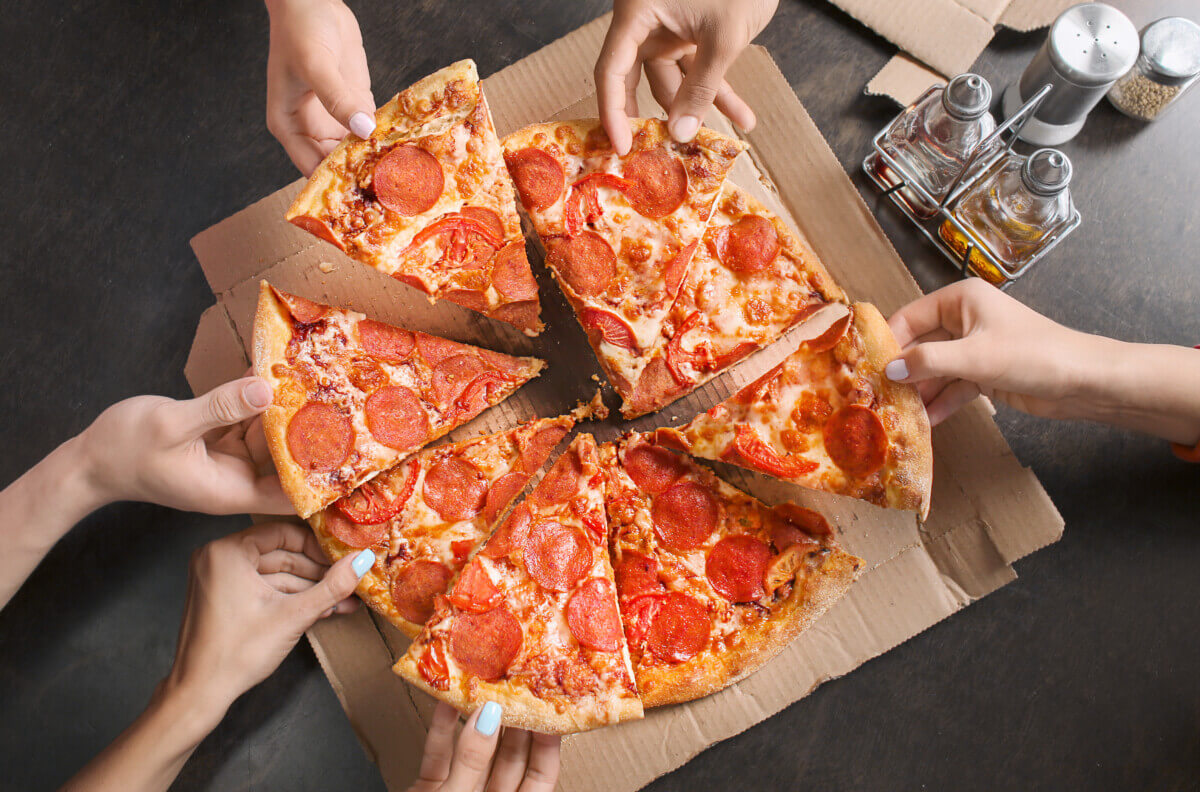 Unsurprisingly, pizza was named the #1 grain-based food among surveyed Americans. (Photo by Pixel-Shot no shutterstock)
The Carb Confusion Driving Dietary Changes
While 95% of respondents recognized the daily necessity of fruits and vegetables, and 93% understood the importance of protein, one in five didn’t realize grain-based foods should also be consumed daily. A quarter of Americans (26%) have developed negative views about grain-based foods over the past year.
Seven in 10 adults (69%) acknowledge that a balanced diet requires carbohydrates, fiber, proteins and fats. But knowing these nutrients are necessary doesn’t translate into understanding how much of each to consume or which foods provide them.
Most respondents correctly recognized that grain-based foods supply fiber (53%) and carbohydrates (56%). However, only 17% knew these foods provide necessary B vitamins, highlighting gaps in basic nutritional knowledge.
More than half the survey participants (58%) believe it’s acceptable to skip certain food groups entirely on a daily basis. Another 54% have adopted the mistaken belief that all processed foods are unhealthy, missing the distinction between nutrient-dense options and empty calories.
Common dietary changes included drinking more water (56%), reducing processed foods (39%) and cutting back on carbohydrates (29%), even while claiming to want more fiber (25%). People are eliminating foods that provide the very nutrients they’re seeking.
How Favorite Foods Already Deliver Balanced Nutrition
Despite the confusion, many Americans unknowingly rely on grain-based foods to deliver other nutrients. Pizza ranked as the top favorite grain-based food (52%), allowing room for protein through sausage (50%) or chicken (31%) and vegetables like mushrooms (49%), onions (43%) or peppers (41%).
Burgers and chicken sandwiches also ranked highly (50%), serving as bases for lettuce (68%), tomato (62%) and onion (56%), along with cheese (75%), egg (18%) or avocado (23%).
Tacos came in fourth place, helping respondents consume vegetables like lettuce (69%) and tomato (59%), plus dairy from cheese (76%) and sour cream (58%).
Erin Ball, Executive Director of the Grain Foods Foundation, addressed the disconnect. “Combining whole and refined grains into consumer diets enables more flexible ways to add fiber, B vitamins and essential nutrients to support good health, which is sometimes overlooked when defining what a healthy plate looks like.”
Ball noted that grain-based foods make healthy eating more practical. “Striving for that 50% of fruits and vegetables on the plate is often made simpler with dishes that contain grain foods such as pasta or bread for sandwiches because they pair so well and bring balance to the plate.”
The protein obsession comes at a cost. When Americans overload on protein while cutting grains, they’re depriving themselves of the primary fuel source their bodies need for energy, along with essential fiber and B vitamins. Many people would benefit from reconsidering which nutrients deserve the most space on their plates.
Survey Methodology
Talker Research conducted an online survey of 2,000 adults across the United States between October 21 and October 27, 2025. The survey was commissioned by the Grain Foods Foundation to assess Americans’ understanding of nutritional guidelines and healthy eating habits. Respondents were drawn from the general adult population with internet access and answered questions about their knowledge of balanced diet composition, daily nutrient requirements, and recent changes to their eating habits. The study examined both knowledge gaps and behavioral patterns, including whether respondents consulted healthcare professionals before making dietary modifications.
The complete survey questionnaire and detailed methodology, prepared in accordance with the American Association for Public Opinion Research (AAPOR) Transparency Initiative standards, are available through Talker Research’s Process and Methodology page.