“Do you take any medications on a regular basis?” “No.”
“Are there any medications, prescribed or otherwise, or other things that you take or ingest on a regular basis?” “No.”
“Are there any herbs, vitamins, supplements, or other nutritional treatments you use?” “No.”
“Are there any other health-related activities or substances that you ingest or otherwise partake of on a regular basis that you think it might be worth me knowing about?” “Well, if you put it that way…”
Years ago, we started out our new patient visits in a fairly standardized way, with the chief complaint and the history of present illness, and then “Tell me what brings you here today, and what I can help you with.” This was followed by a review of the patient’s past medical history, surgical history, social history, allergies, smoking, alcohol, drugs. We then went on to a detailed review of systems, and a number of other fields on the intake forms that needed fleshing out to help us take good care of our patients.
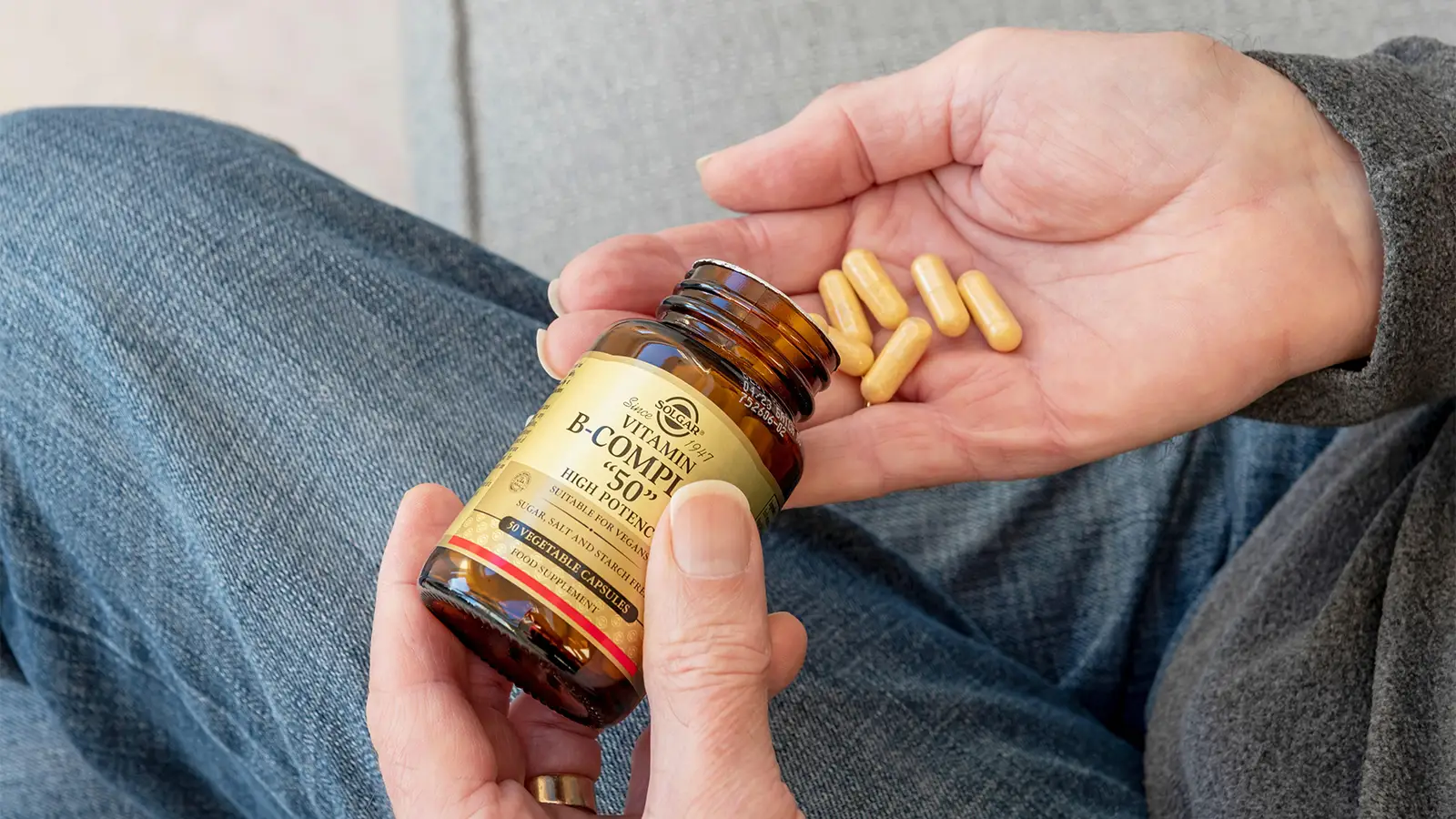
Years ago, in addition to asking about medications, I started asking about herbs, vitamins, and supplements, because I was discovering that more and more patients were using these for various symptoms and conditions, and didn’t seem to include them when we asked about medications. Patients did not think that we might consider supplements relevant or important, and many doctors did not think they were consequential or worth asking or knowing about. But this is how we often discovered that our patients were taking ginkgo biloba to self-manage their depression, red yeast rice to treat their high cholesterol, saw palmetto to help with their urinary symptoms from benign prostatic hypertrophy, and turmeric to treat just about everything.
Lately, it feels like even this isn’t enough. Our patients are becoming more and more involved in their healthcare, taking on more things to try and improve their health — sometimes in addition to what we prescribe, and sometimes in lieu of our recommended treatments.
I’m not going to get into all of these, trying to figure out what they all are, or what our patients are doing with what they’ve learned from the various corners of the Internet: from Google searches, from TikTok health videos, or from online support groups for patients with a variety of health symptoms and conditions.
But it behooves us to know that they’re doing them — that they’re doing a lot of other things besides what we think they are doing in between our office visits. Sometimes just asking, and sometimes just discovering parts of this, can help us better understand our patients, and help build up the trust between us.
This trust is definitely something that needs to be worked on. During my first visit with a new patient, one of the things I try and communicate is that they should really never feel as if they need to lie to me, or as if they need to hide something from me, or as if they need to tell me they’re doing something that they’re not, or not doing something that they are. If they are not telling me the whole story, then the relationship is not the right one.
Sometimes it’s medications from another provider. Sometimes it’s something like smoking, drinking, or drugs that they don’t want to tell us about. Sometimes it’s a health practice that they think we might not believe in. But it is often all of this that goes into what makes each patient unique.
More and more of our patients are doing self-monitoring using various devices, such as Apple smartwatches, home blood pressure monitors, continuous glucose monitors, and Oura rings. Sometimes the data that they collect out there in the real world can be useful and powerful, detecting changes that alert them to something they need to pay attention to, or things that need to be brought to our attention for more intensive interventions.
When a patient’s continuous glucose monitor shows that their current medications for diabetes are not controlling their sugars, it may be time to make some serious diet changes, work on instituting that exercise program, or maybe go up or change medications. When a patient’s smartwatch detects atrial fibrillation, it may be time to come into the office for an EKG or an event monitor, or more definitive treatment to make sure they are safe.
Some of this data that’s collected we don’t yet know what to do with, such as when various scores are collected from a constellation of data points to create an index that is not really fully vetted or validated. And some of the things that we discover our patients are doing just don’t make a lot of biological sense. They often don’t have a solid medical underpinning that allows us to recommend them, or even endorse their continued use.
And sometimes, this is just something that even though we might not understand it, our patients are going to do regardless of what we consider good medical data supporting its safety and efficacy. There’s a whole Wild West of stuff out there that’s fascinating to learn about, slowly but surely.
Even in the context of the regular old initial visit to the doctor’s office, no one patient is exactly the same, and no one set of forms or questions will ever be able to completely capture all the things our patients have experienced and are doing for their health.
So it’s worth keeping an open mind.