Key Takeaways
Tablets contain the most accurate dose of vitamin C and are the most shelf-stable. Powders offer more flexible dosing but can be harsh on tooth enamel. Gummies usually have lower doses of vitamin C and also contain added sugar.
With cold and flu season upon us, many people are turning to vitamin C supplements to support their immune system. Vitamin C supplements are available in various forms, including tablets, gummies, and powders, each with its own pros and cons.
Tablets Contain the Most Accurate Dose
All forms of vitamin C supplements work well enough when taken at the same dose, according to Jennifer L. Mora, PharmD, a clinical ambulatory pharmacist at Baptist Health South Florida.
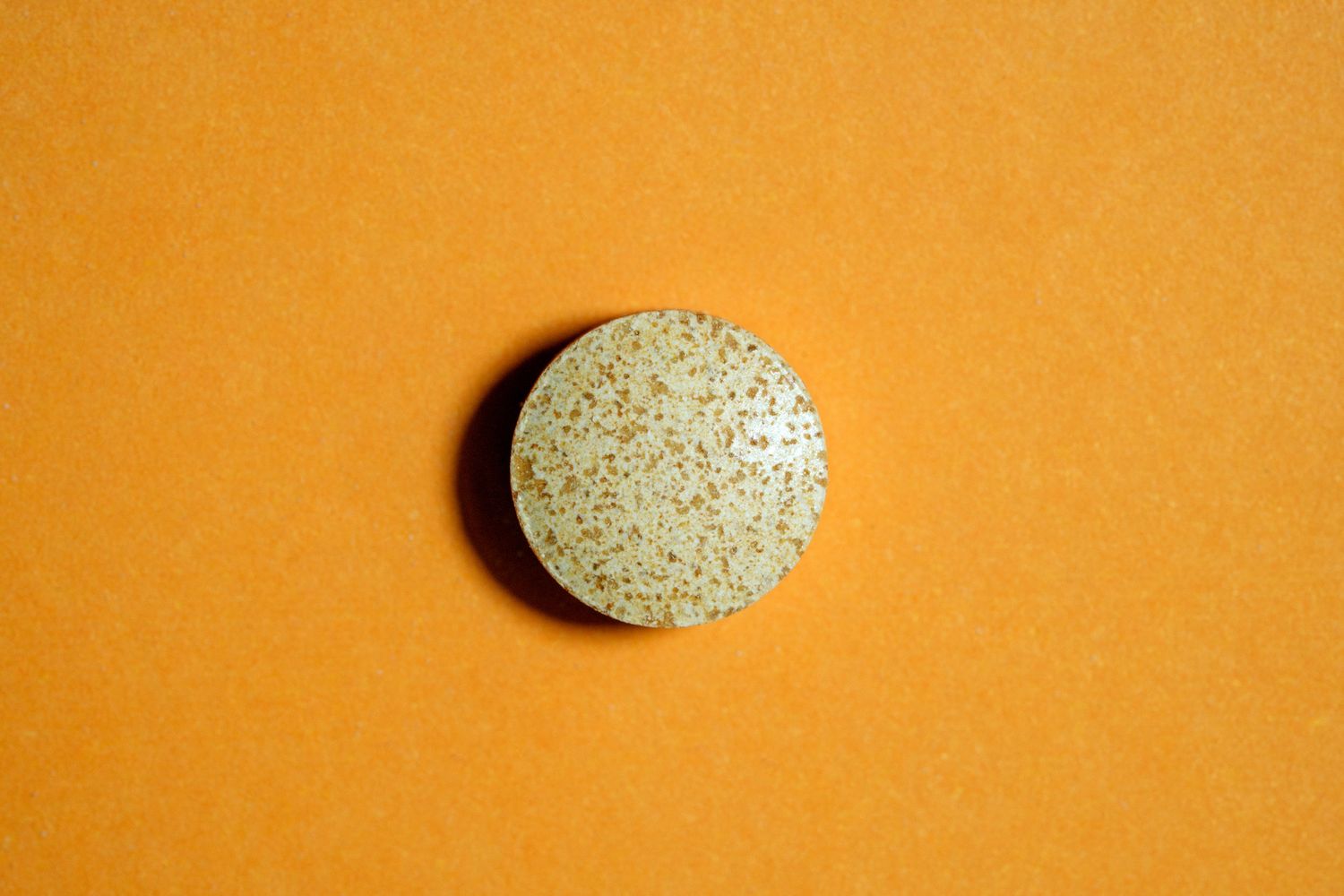
However, tablets are the most shelf-stable, provide the most accurate dose, and contain little sugar, Mora said.
Tablets also tend to be time-released, said Daniela Novotny, DHSc, RDN, a registered dietitian and senior instructor of nutrition and dietetics at Missouri State University, which can help the body absorb the vitamin more slowly and efficiently throughout the day.
Vitamin C tablets often contain buffered forms of the vitamin, Novotny said, meaning they are combined with a mineral such as calcium or magnesium, making them gentler on the stomach.
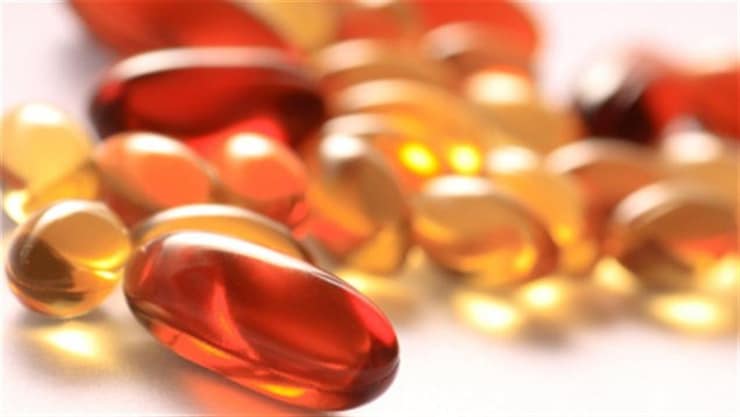
In addition to swallowable tablets, vitamin C also comes in capsules, which are more likely to be quick-release, as well as chewables, which can be good if you have trouble swallowing pills, but they may harm your enamel.
You can also get a higher dose in a single pill compared to some other formulations, she said. In general, a pill is typically less expensive than other forms of vitamins.
Powders Offer More Flexible Dosing
Powders, including effervescent forms, are mixed with water and are often more acidic, so they can also be tough on enamel, Mora said.
Powders do allow for flexible dosing, as you can choose exactly how much to take on a case-by-case basis.
“Powders can be both flavored and unflavored,” Novtony said. “They can also be helpful for folks who dislike pills.”
Liposomal vitamin C, which is encapsulated in fat molecules and comes in powder or liquid form, is most efficiently absorbed by the body, but it’s also more expensive, Mora added.
Gummies Tend to Have Lower Doses
Among all the forms of vitamin C, gummies may offer the most pleasant experience due to their appealing taste and texture.
“Gummies are easy to take, but may contain added sugar and can stick to teeth,” Mora explained.
Gummies also tend to have lower doses of vitamin C per serving—up to 250mg, whereas a tablet or capsule may contain up to 1,000 mg, Novtony added, so you’ll have to take more to get the same dose as a pill.
While they do tend to contain added sugar, she said the sugar in a few gummies is generally low. You can also opt for a sugar-free version whenever you prefer.
“They can be a great choice for folks who have difficulty swallowing pills, older adults, and children,” Novtony said. “Overall, they’re more expensive due to the gummy form.”
Some research also suggests that both gummies and powders may not be as stable as tablets, meaning that if they’re exposed to excessive light or heat, the vitamin C in them may degrade faster than in a pill.
How to Know If You Need Vitamin C Supplements
Before choosing which form of vitamin C to take, Novtony recommends ensuring that you actually require the higher dose of vitamin C that a supplement provides.
“Most of us can get adequate amounts of vitamin C through foods,” she said. “Oranges, strawberries, and peppers are some of the best sources of the vitamin.”
For the average healthy person, the recommended dietary allowance (RDA) is 75mg for women and 90mg for men, while supplements often consist of 100mg up to 1,000mg of the vitamin.
“Speaking with a registered dietitian can be helpful when considering supplementation of any micronutrient, as more isn’t necessarily better,” she said.
“This can be the case with vitamin C, as high doses can cause diarrhea or an upset stomach, and may not really be that effective for promoting health when compared to the foods one would eat to obtain vitamin C,” Novotny added.
Verywell Health uses only high-quality sources, including peer-reviewed studies, to support the facts within our articles. Read our editorial process to learn more about how we fact-check and keep our content accurate, reliable, and trustworthy.
Purpura M, Jäger R, Godavarthi A, Bhaskarachar D, Tinsley GM. Liposomal delivery enhances absorption of vitamin C into plasma and leukocytes: a double-blind, placebo-controlled, randomized trial. Eur J Nutr. 2024;63(8):3037-3046. doi:10.1007/s00394-024-03487-8
Yin X, Chen K, Cheng H, et al. Chemical stability of ascorbic acid integrated into commercial products: a review on bioactivity and delivery technology. Antioxidants. 2022;11(1):153. doi:10.3390/antiox11010153
Office of dietary supplements – vitamin c. Accessed November 24, 2025. https://ods.od.nih.gov/factsheets/VitaminC-HealthProfessional/

Miller is a journalist specializing in mental health, women’s health, and culture. Her work is published in outlets ranging from Vice to Healthnews.
Thanks for your feedback!
What is your feedback?
Helpful
Report an Error
Other