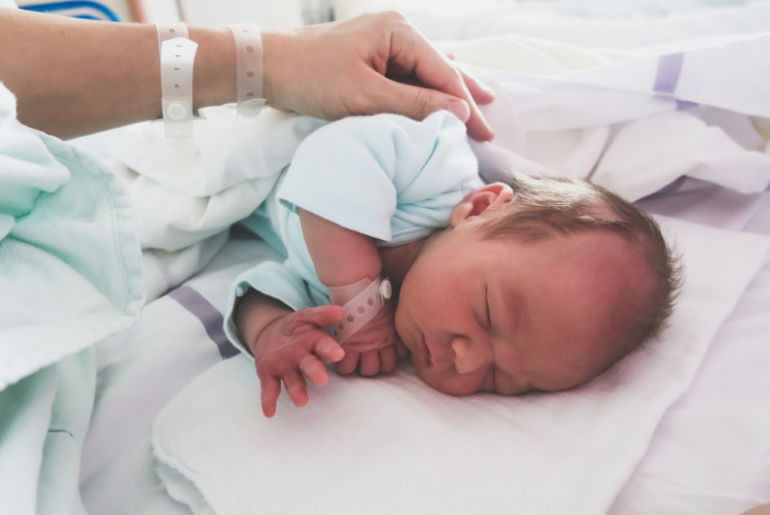
 Previous research had linked maternal vitamin D deficiency to enamel defects and early caries in children — but results varied across studies and populations. (iStock)
A new prospective study of more than 4,100 mother–child pairs suggests that maternal vitamin D status during pregnancy may play a significant role in shaping children’s early-life dental health — with low vitamin D linked to notably higher odds of early childhood caries (ECC).
Researchers from Zhejiang University followed 4,109 pregnant women (enrolled between 2011 and 2021) at the Zhoushan Maternal and Child Health Hospital in Zhejiang Province, China, and tracked their offspring until November 2022.
The study — published online Dec. 2, 2025 in JAMA Network Open — measured maternal plasma 25-hydroxyvitamin D [25(OH)D] at each trimester, then assessed ECC and related dental outcomes in children’s primary teeth.
Key findings
Of the 4,109 mother–offspring pairs, 960 children developed ECC by up to ~ 71 months of age, while 3,149 children remained caries-free.
After adjusting for multiple covariates, higher maternal 25(OH)D was consistently associated with lower odds of ECC — especially when vitamin D status was measured in the first and second trimesters (approximate OR per 1 ng/mL increase ~ 0.98).
The authors suggest that integrating vitamin D screening and supplementation into routine prenatal care — or even pre-pregnancy planning — could help reduce the burden of childhood caries.
Global vitamin D deficiency is widespread
Related: Study: Oral microbiome changes linked to mental health symptoms in pregnant women
The findings arrive against a backdrop of decades of conflicting evidence. Previous research had linked maternal vitamin D deficiency to enamel defects and early caries in children — but results varied across studies and populations.
Additionally, a 2023 meta-analysis of 308 population-based studies from 81 countries — representing nearly 8 million participants — found that vitamin D deficiency continues to be common worldwide. Higher prevalence was observed among individuals living in high-latitude areas, during winter and spring compared with summer, in lower-middle–income countries (especially in the Eastern Mediterranean region), and among females.
Related: Mothers’ cortisol levels during pregnancy tied to faster baby teething, study finds
As early as 2017, the World Health Organization (WHO) warned that newborn infants worldwide face elevated risk of vitamin D deficiency, recommending supplementation alongside exclusive breastfeeding as a primary prevention strategy against deficiency and rickets.
That context underscores the authors’ conclusion in the new cohort study:
“Despite global recommendations to maintain maternal 25-hydroxyvitamin D (25[OH]D) levels above 30 ng/mL (to convert to nanomoles per litre, multiply by 2.496) during pregnancy, vitamin D deficiency is still prevalent, which can lead to developmental enamel defects and increased susceptibility to caries in offspring.”
This new, large-scale prospective cohort adds weight to the argument that vitamin D is a modifiable maternal factor with long-term implications for children’s oral health.