Zinc and vitamin C are essential nutrients that can each reduce the duration and severity of symptoms of the common cold. Taking vitamin C and zinc together may help them work better and enhance their effects.
Vitamin C is often used to prevent and treat colds. Some evidence suggests it may reduce the risk of getting sick. More evidence suggests it can help shorten the duration of a cold and lessen its severity, especially for people exposed to extremely cold temperatures.
Vitamin C may also enhance the effects of zinc. Zinc helps your body fight off infections and can also help prevent colds if you take it regularly. Zinc may also shorten the length of a cold when you do develop one. Some studies show that people who take zinc supplements recover faster from cold symptoms.
Vitamin C and zinc may be most effective in reducing cold symptoms or duration if you take them within 24 hours of your symptoms beginning.
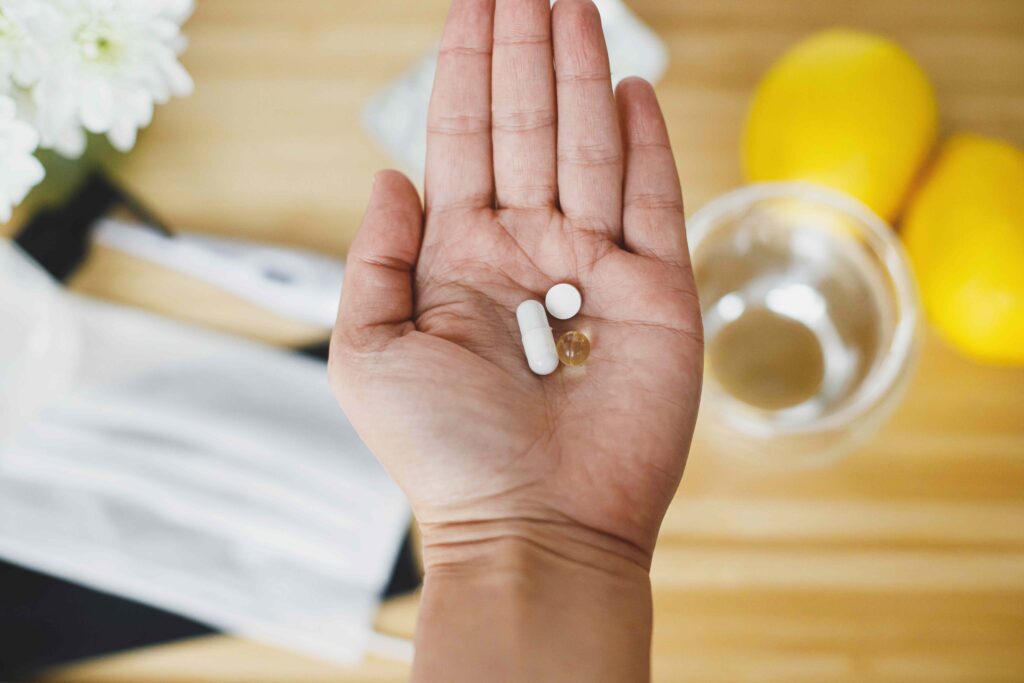
Vitamin C and zinc are available in individual supplements:
Vitamin C products: Vitamin C supplements come in powders, capsules, gummies, and liquids. There are also different types, including ascorbic acid, sodium ascorbate, and calcium ascorbate. Ascorbic acid is the most common type of vitamin C found in supplements.
Zinc products: Zinc supplements are available in liquids, mouth rinses, lozenges, and capsules. They also come in different types, including zinc sulfate, zinc oxide, zinc gluconate, and zinc citrate.
You can also purchase multivitamins or combination products that combine the nutrients with other vitamins and minerals.
You can generally take products containing vitamin C or zinc at any time of day, with or without food.
Overall, it’s safe to take vitamin C and zinc together. However, high doses of vitamin C and zinc share similar digestive side effects, including:
Stomach crampingNauseaVomiting
If you experience these side effects while taking them together, take them at separate times or with food.
If you are using vitamin C to help with iron absorption, taking zinc with it may interfere with your iron levels.
Vitamin C is important for many body functions. It supports the immune system, helps your body make collagen, and aids in iron absorption. It’s an antioxidant, which means it helps protect your cells from damage that can lead to diseases like cancer or heart disease.
Vitamin C is present in many foods, especially fruits and vegetables such as oranges, grapefruit, peppers, kiwi, and broccoli. Most people with well-rounded diets get enough vitamin C from food.
Some of the potential health benefits of vitamin C include:
Improves skin health: Vitamin C helps create collagen, which gives your skin, muscles, bones, and connective tissue structure. Its antioxidant properties also help protect your skin from UV-induced damage.
Reduces cardiovascular disease risk: Vitamin C’s antioxidants may help lower blood pressure and reduce the risk of heart disease, though more research is needed to confirm these effects.
Improves eye health: Vitamin C’s antioxidant effects may help prevent conditions like age-related macular degeneration and cataracts.
Aids in iron absorption: Vitamin C helps your body absorb iron found in foods, especially in people with low iron.
Zinc is an essential mineral that helps with cell growth, metabolism, and immune function. It also helps protect cells from damage, which can reduce the risk of illnesses like cancer and heart disease.
Most people get enough zinc from food, but supplements can help if you’re not meeting your daily needs.
Some of the potential health benefits of zinc supplements include:
Improves skin health: Zinc can help reduce acne, control oil production, and decrease inflammation in the skin. It also promotes wound healing and helps repair cell membranes.Treats zinc deficiency: A lack of zinc can lead to skin problems, slow wound healing, and cognitive issues. People who are malnourished, eat a restricted diet, have a history of excessive alcohol use, are pregnant or breastfeeding, or have malabsorption concerns are at greater risk for zinc deficiency.Prevents eye disease: Zinc is necessary for eye health and helps prevent damage to the retina. Studies have shown that zinc supplementation may delay the start of age-related macular degeneration and vision loss.