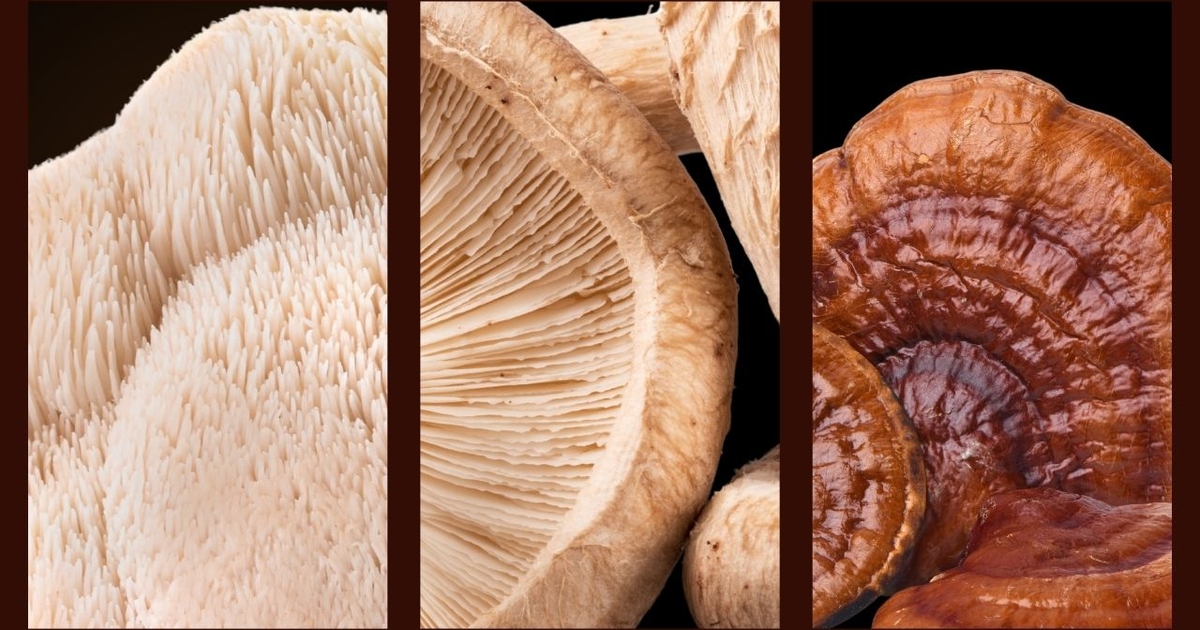
The medicinal mushroom moment has sprouted into a movement. And like any movement gaining momentum, a little structure can go a long way.
Enter the newly formed Functional Mushroom Council.
The organization unites the mushroom industry and enthusiasts around a shared vision, goals and vigilance — for quality, science and story.
Gathering and industry actions
Leading mushroom growers, supplement brands and ingredient suppliers formally launched the nonprofit trade group at SupplySide Global 2025 after first bandying about the idea a couple of years ago at the Mushroom Summit in Monterey, California.
“We felt like by uniting, we could have clearer messages, messages that are more rooted in scientific research, and also raise the bar from a testing method development or research development by pooling resources and creating a brain trust, if you will,” said Julie Daoust, council chairwoman and chief science officer at M2 Ingredients, a Vista, California-based mushroom grower.
Expect quick Functional Mushroom Council focus on key areas of concern:
– Validated testing.
– Unified scientific standards.
– And a clearer understanding of what’s actually in the marketplace.
This includes continued member work with AOAC International (the Association of Official Analytical Chemists) and its Botanical Ingredients and Dietary Supplement Integrity (BIDSI) program. That has focused on developing new bioactives found in lion’s mane, in both mycelium and fruiting body. Next up: reishi.
Meanwhile, the Functional Mushroom Council has embarked on a quality and consistency survey of products found in the marketplace, including on Amazon. Expect findings in March, coinciding with Natural Products Expo West.
Speaking of the mycelium vs. fruiting body debate
Instead of highlighting what mushrooms are good for, Daoust said, too much of the conversation has been, “Which is better, a mycelium product or a fruiting-body product?” That debate has distracted from what the research reports about mushroom benefits.
“We’re really focused on supporting research, which includes developing methods that would be inclusive of the diversity of products found in the market,” Daoust said.
Just as with all botanicals, she noted, fungal parts have different benefits.
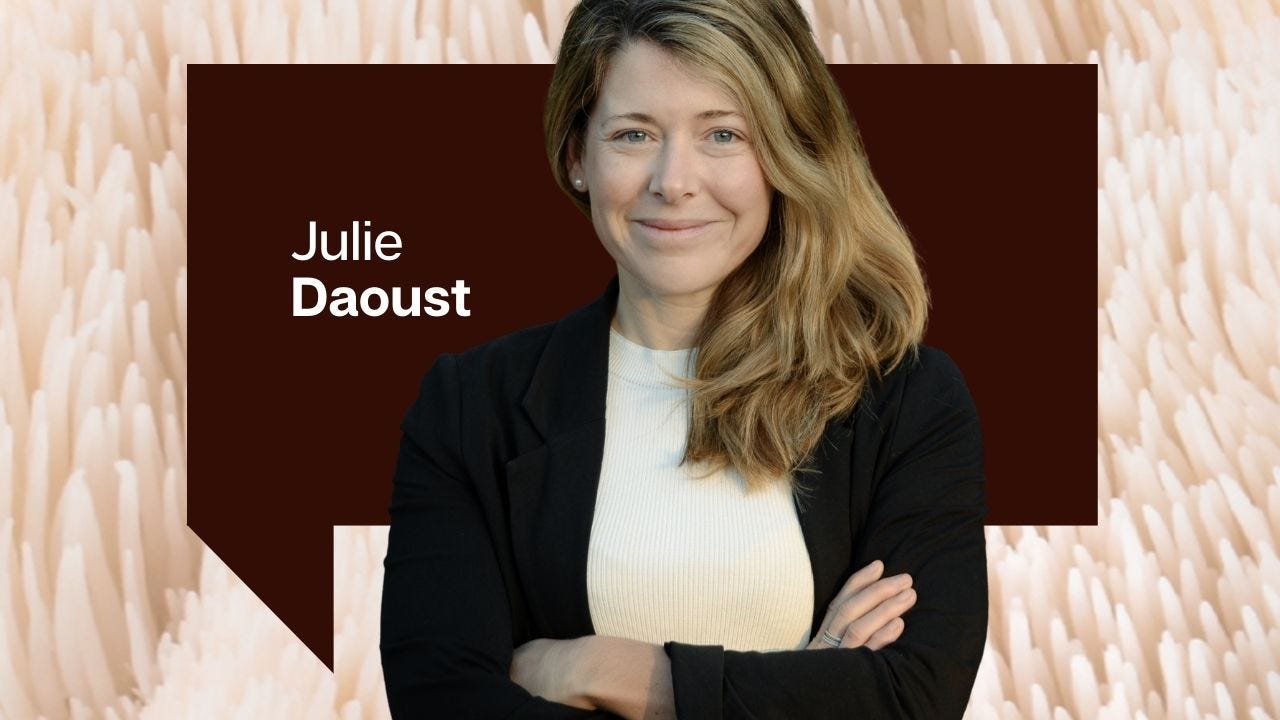
Julie Daoust of M2 Ingredients serves as the Functional Mushroom Council’s chairwoman.
In support of North American-grown mushrooms
Functional Mushroom Council efforts emphasize North American-grown functional mushrooms, grounded in shared values, Daoust said.
“We share a lot of the same principles as far as quality standards are concerned,” she said. “And we want to promote ingredients grown in North America because we do have to abide by specific standards when it comes to food, safety, quality, workers’ compensation and organic standards.”
To advance the mission, the council plans to launch an FMC seal signifying the inclusion of North American-grown ingredients in finished products. Any brand may join the council, regardless of sourcing, but only those using domestic-grown ingredients will be able to use the on-package logo.
Advancing medicinal mushroom ingredient testing
The industry has yet to establish consistent methods for measuring bioactives, confirming species and assessing quality.
Across the board — in market testing and advancing functional mushroom science stories — the council seeks to promote improved testing methods and develop methods for specific bioactives and identification.
“Another big reason to form this council was to showcase the strength of the industry,” Daoust said, “but also to create momentum and demand behind these different methods that we want to launch so that commercially it’s viable for labs to offer those methods.”
Functional Mushroom Council membership
Founders of the mushroom business association include:
– Fungi Perfecti
– M2 Ingredients
– Monterey Mushrooms
– Aloha Medicinals
– Mycopia
– Far West Fungi
To represent the whole of the industry, including the vast grassroots brands and local growers, the group has two membership levels.