Vitamin C has long carried a reputation as one of the most essential and protective nutrients in human health, yet its true impact is often misunderstood. As a powerful antioxidant, Vitamin C helps defend the body from oxidative stress caused by free radicals, a natural by product of metabolism and environmental exposure. This protective role supports the body’s internal systems in maintaining overall cellular health.
One of the most discussed aspects of Vitamin C is its connection to the immune system. While it does not act as a miracle cure, Vitamin C contributes to immune defense by supporting various cellular functions, enhancing the skin’s natural barrier, and aiding the activity of immune cells that respond to invading pathogens. Its involvement in the production of collagen also makes it vital for maintaining healthy tissues, including those that form part of the immune system’s physical defense.
Beyond immunity, Vitamin C plays a crucial role in iron absorption, helping the body utilize non-heme iron from plant sources more efficiently. This is particularly important for individuals following plant-based diets or those at risk of low iron levels. Its antioxidant properties are also frequently studied for their potential influence on heart health, inflammation levels, and overall resilience during periods of physical stress.
Despite these benefits, misconceptions still surround Vitamin C. Some people expect it to prevent common illnesses entirely, while others underestimate its importance due to the abundance of supplements and fortified foods. Understanding the difference between recommended daily intake and extremely high doses is also essential, as the body regulates Vitamin C absorption and excess amounts are typically excreted.
Exploring the scientific insights behind Vitamin C helps reveal a more balanced perspective: it is neither a miraculous cure all nor an insignificant nutrient. Its real value lies in consistent daily intake through fruits, vegetables, and appropriate supplementation when needed. Citrus fruits, berries, peppers, broccoli, and leafy greens remain some of the most reliable and natural sources.
By looking at the evidence, it becomes clear why Vitamin C continues to be a nutrient of interest in health and wellness discussions. Its contributions are significant, but understanding them accurately helps set realistic expectations and encourages a more informed approach to maintaining long-term health.
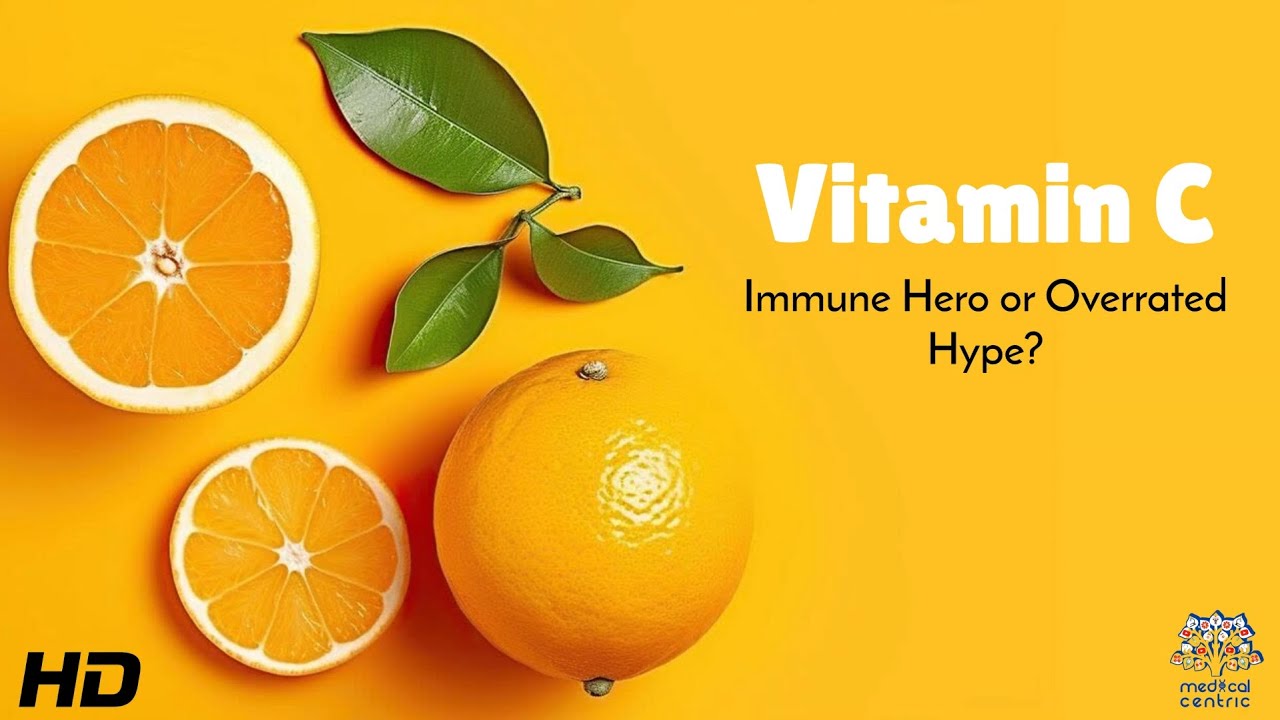
Today’s medical ccentric topic is vitamin C. Immune hero or overrated hype. The vitamin everyone swears by. Every time flu season hits, vitamin C flies off the shelf. From orange juice ads to fizzy immune boosters, it’s promoted as the ultimate sickness shield. But is vitamin C really the superhero it’s made out to be, or just another overhyped supplement? What vitamin C actually does. Vitamin C, ascorbic acid, is an essential antioxidant your body can’t make on its own. It’s vital for strengthening immune cell function, repairing tissues and forming collagen, enhancing iron absorption, fighting free radicals that damage cells. So, yes, it’s important. But does more mean better? Not necessarily. The origins of the hype. The vitamin C craze began in the 1970s when Nobel Prize winning chemist Lionus Pauling claimed that high doses could prevent colds and even cancer. While his enthusiasm made headlines, later research painted a more nuanced picture. What science says about immunity. Dozens of studies have looked at vitamin C and the common cold. Prevention. For most people, taking vitamin C daily doesn’t prevent colds. Duration. It may shorten cold length by about one day in regular users. Severity. Some people report milder symptoms, especially athletes or those under extreme stress. In other words, it’s supportive, not magical. If you’re deficient, supplements help. If you already get enough from food, extra pills likely won’t turn you into a flu proof superhero. How much is enough? The recommended daily intake? Men, around 90 mg. Women around 75 mg. One medium orange provides around 70 mg. So, hitting your daily target is easy through food. Taking mega doses like 1,000 to 2,000 mg isn’t dangerous for most, but it won’t supercharge immunity either. Your body simply flushes out the excess through urine. Extremely high doses can cause diarrhea or stomach cramps. Food sources that work better than pills. Real foods provide vitamin C plus fiber and other antioxidants that pills can’t match. Top sources include citrus fruits, oranges, lemons, grapefruits, kiwi and strawberries, bell peppers, broccoli, kale, and Brussels sprouts. Cooking can reduce vitamin C slightly, so include some raw produce daily. Beyond immunity, vitamin C supports skin health by boosting collagen, helps protect the heart by reducing oxidative stress, and may lower the risk of chronic diseases over time. Its benefits go far beyond fighting colds. Bottom line, vitamin C is definitely an immune helper, but not a miracle cure. Getting it daily, mainly through whole foods, is far more effective than loading up on tablets when you’re already sick. Thank you for watching our video. Please do not forget to like and share the video. Also, please subscribe to the channel to stay updated on our latest videos.