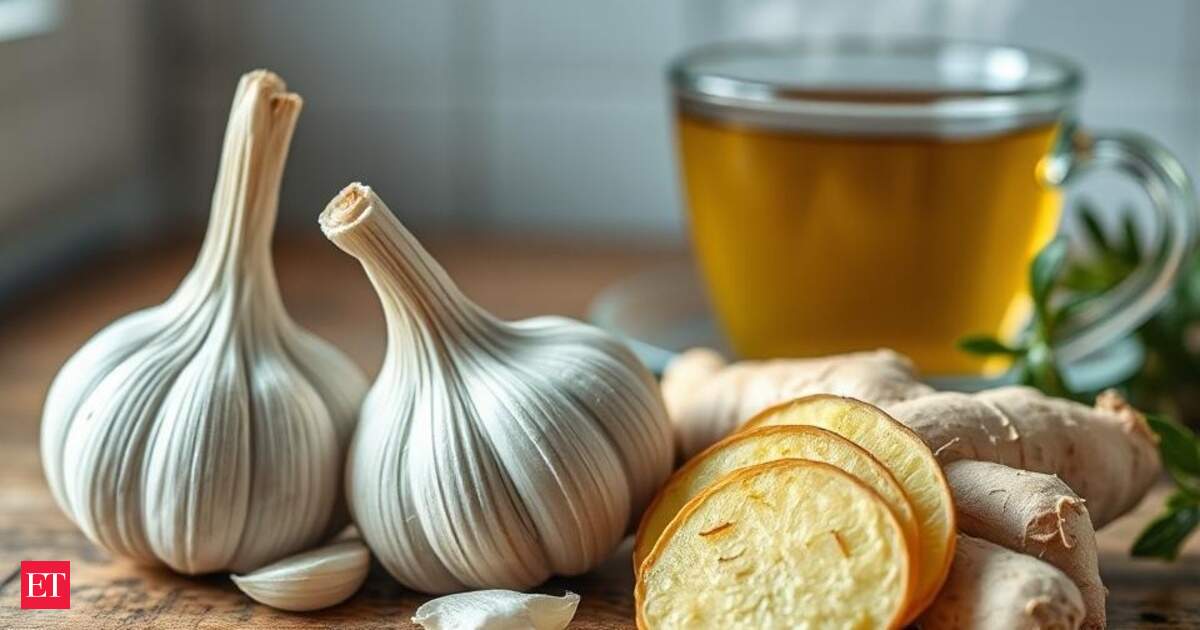
When the weather gets colder, many people start thinking more about their immune health. Garlic and ginger are two common kitchen staples that people often use as natural remedies in winter. Both have been part of traditional diets and are popular in modern nutrition, but they help the immune system in different ways. Instead of picking one as the best, it helps to know how each works so you can choose what your body might need most.
How garlic supports immune defence
Garlic is famous for its sulphur compounds, especially allicin, which is created when you chop or crush garlic. The Journal of Immunology Research has found that eating garlic can boost immune cell activity and may make colds less severe.
Dr David Nieman, a US-based professor of health and exercise science who has studied nutrition and immunity, has explained in his work that garlic’s compounds appear to support immune responses by influencing how white blood cells react to infections. In simple terms, garlic may help the immune system respond faster when it encounters viruses.
Some studies link regular garlic use to fighting germs and viruses, which is why it’s often suggested during cold and flu season. Still, experts say garlic is most effective when it’s part of a balanced diet, not used alone.
 Live Events
  TIL Creatives
You don’t have to completely change your diet to include the ingredients, especially ginger. Simply add a small amount to warm drinks, soups, broths, or your regular meals.
Why ginger works differentlyGinger helps the immune system in a different way. Its main parts, such as gingerol and shogaol, are known for reducing inflammation and protecting cells from damage. Some research suggests that ginger may help reduce swelling and cell damage, which can otherwise make your immune system weaker over time.
Dr Amy Campbell, a registered US-based dietitian, explains that ginger helps the body stay balanced by supporting the immune system. Ginger’s main role is to reduce inflammation and support digestion, while ensuring the immune system can manage everyday stress.
When your digestive system is functioning properly, your immune system is also less likely malfunction or become weak. According to experts, this steady response matters even more in the colder months.
This might be the reason why ginger has been a popular winter ingredient for so many years. One often turns to it when suffering from a sore throat, nausea, or even sinus problems. Ginger helps the body fight illness by supporting its internal systems rather than directly targeting germs.
TIL Creatives
Garlic and ginger are kitchen heroes offering distinct benefits.
What helps one stay healthy in winter?
Nutrition experts nowadays believe in maintaining a balanced lifestyle rather than focusing on one superfood.
While garlic is known for its immune-supporting properties, ginger works differently by aiding the stomach and gut and reducing inflammation. Over time, both can help strengthen the immune system.
You don’t have to completely change your diet to include both, especially ginger. Simply add a small amount to warm drinks, soups, broths, or your regular meals to support digestion, and incorporate it into your winter routine.
At the end of the day, building a strong immune system is derived from consistent habits. While garlic and ginger can help, they aren’t instant solutions. Ensuring a balanced diet, getting enough sleep, managing stress, and eating meals on time are more important for your winter diet than any single ingredient.
Add  as a Reliable and Trusted News Source