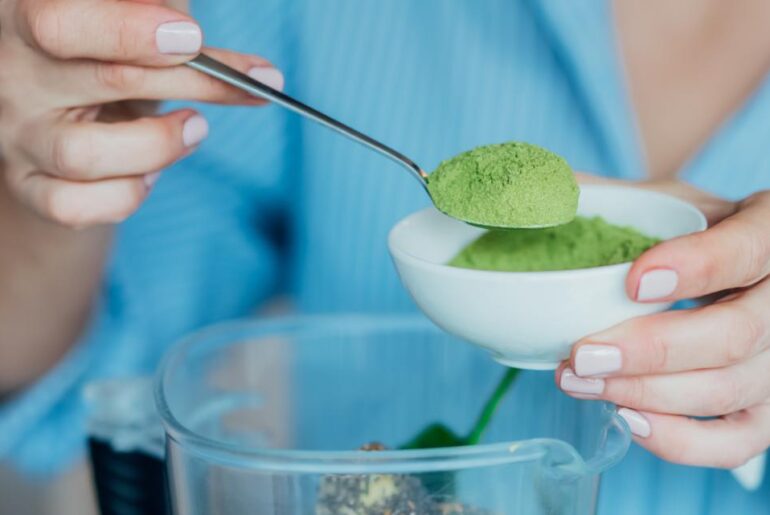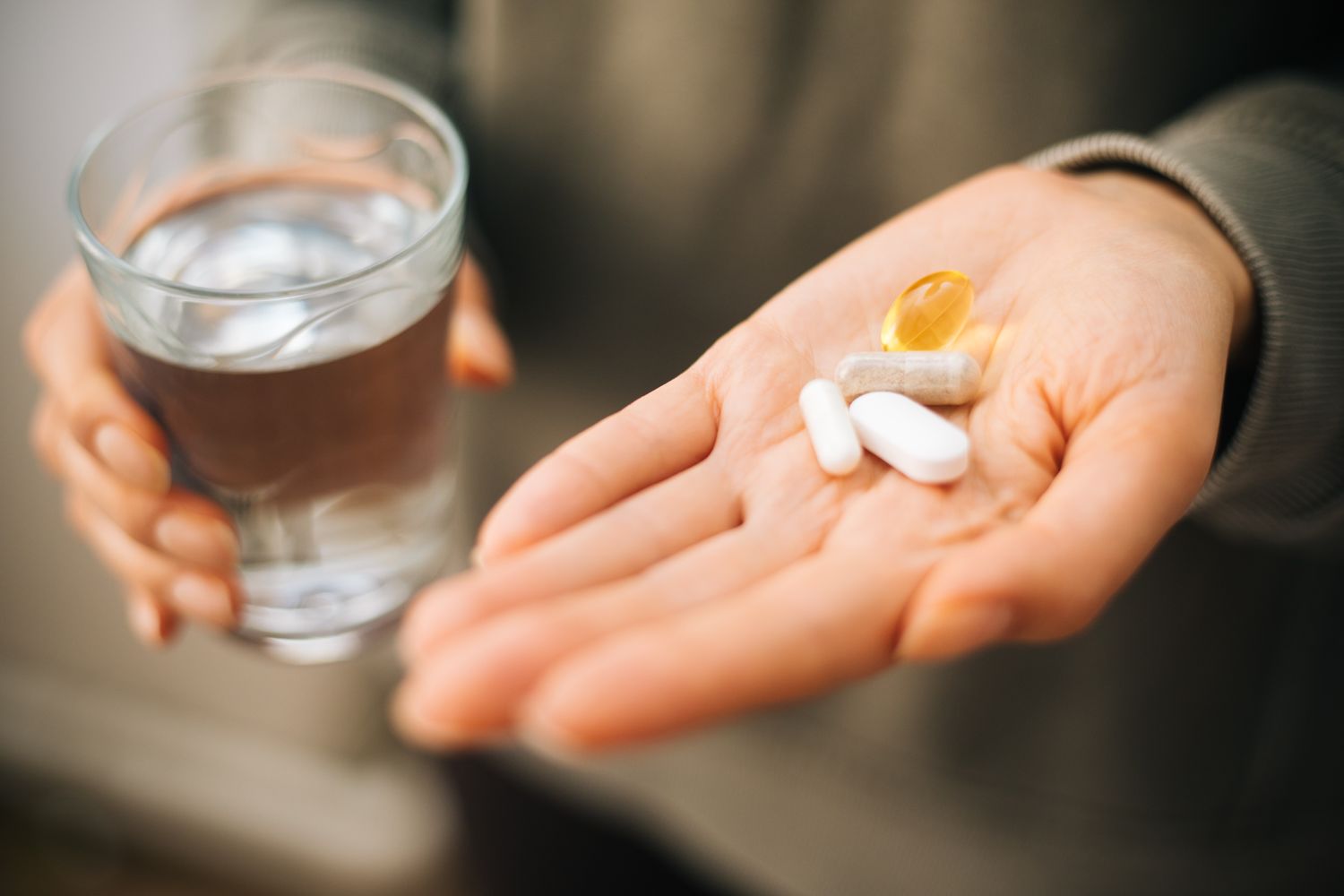
Many people with diabetes or prediabetes try supplements to help control their blood sugar. However, some supplements can change how prescription diabetes drugs work—either by lowering blood sugar too much, or by affecting how much your body absorbs the drug.
1. Berberine
Berberine can add to metformin’s effects, meaning stronger glucose-lowering and gastrointestinal (GI) effects
Berberine (from plants such as Berberis) has blood sugar (glucose)-lowering effects and is sometimes used as a “natural” alternative to metformin.
Studies and reviews have shown similar mechanisms between berberine and metformin. For example, both can help reduce the amount of glucose produced by your liver. This can lead to additive or synergistic effects when taken together, so your blood sugar may drop too low. The similar effects also mean that GI side effects can be worsened.
Talk to your healthcare provider before planning to take berberine. If you are also taking metformin or another glucose-lowering medication, you may need to closely monitor your blood sugar levels and review your dosing with your provider.
2. Cinnamon
Cinnamon can increase the risk of low blood sugar when combined with medications.
Cinnamon and cinnamon extracts have been reported in multiple trials and reviews to modestly lower fasting glucose and hemoglobin A1c (average blood sugar level over two or three months) in some people.
This effect means that cinnamon supplements can enhance the glucose-lowering effect of prescription medications, such as sulfonylureas or insulin, especially when taken in concentrated form rather than as a sprinkle of the spice.
Clinical evidence is mixed, but caution is warranted. “Natural” doesn’t mean harmless, and you should check your blood glucose more often if you start taking a cinnamon supplement.
3. Ginseng
Unpredictable effects mean ginseng may increase or decrease the effect of prescription diabetes medications.
Different ginseng preparations (e.g., American, Asian) and study designs produce inconsistent results, but studies show that ginseng can affect insulin secretion, glucose uptake, and postprandial (after a meal) glucose.
In individuals already taking oral blood sugar-lowering drugs or insulin, ginseng may have the potential to cause additive glucose-lowering effects, which can lead to hypoglycemia (too low blood sugar), or alter their responses to these medications.
Commercial ginseng products can vary widely in potency and formulation. Be sure to consult with your healthcare provider before starting this supplement.
4. St. John’s Wort
St. John’s wort may change drug metabolism, affecting how much of your diabetes medications get absorbed.
St. John’s wort increases the activity of CYP3A4 (a drug-metabolizing enzyme in the body) and certain drug transporters (proteins responsible for drug absorption, distribution, and elimination). As a result, it can reduce the blood levels of medications that share these pathways. For this reason, it is notorious for interacting with many different medications.
While many diabetes drugs do not get broken down by the CYP3A4 enzyme, St. John’s wort has been shown to alter the way metformin works in your body in at least one trial. It can also interact with many other medications.
Because of its unpredictability with interactions, it’s recommended to avoid combining St. John’s wort with complex medication regimens without supervision from your healthcare provider.
5. Aloe Vera
Aloe vera can lower glucose and interact with diabetes medications.
Aloe vera has been studied for its effects on processes that contribute to high blood sugar levels. Studies suggest that it may be beneficial in reducing fasting glucose and hemoglobin A1c levels, particularly in stabilizing blood sugar levels after meals.
However, the extent to which aloe vera affects blood sugar levels is unknown. Tell your healthcare provider if you are taking an aloe vera supplement. Keep in mind that aloe vera formulations also vary, and some can cause side effects, such as GI upset.
6. Chromium
Chromium supplementation has shown modest improvements in insulin sensitivity and hemoglobin A1c in some studies. Other studies have shown benefit only in people with poor nutritional status or already low chromium levels.
Because chromium can enhance insulin action, using it with a prescription blood sugar-lowering drug can raise the risk of hypoglycemia, especially if the doses are higher than those found in multivitamins.
According to the Food and Drug Administration (FDA) and the Institute of Medicine, it is safe when taken at a dose of 200 micrograms daily for up to six months.
Keep in mind, chromium supplements may also carry side effect risks like GI upset or headaches. Caution should be used if you have kidney or liver issues. Talk to your healthcare provider about whether chromium supplements may be beneficial for you.
Always inform your healthcare provider and/or pharmacist about any supplements and include them on your list of medications—even “natural” ones—so medication dosing and monitoring plans can be adjusted as needed.
Verywell Health uses only high-quality sources, including peer-reviewed studies, to support the facts within our articles. Read our editorial process to learn more about how we fact-check and keep our content accurate, reliable, and trustworthy.
Wang H, Zhu C, et al. Metformin and berberine, two versatile drugs in treatment of common metabolic diseases. Oncotarget. 2017 Sep 11;9(11):10135-10146.
Guo J, Chen H, et al. The effect of berberine on metabolic profiles in type 2 diabetic patients: A systematic review and meta-analysis of randomized controlled trials. Oxid Med Cell Longev. 2021;2021:2074610. doi:10.1155/2021/2074610
Costello RB, Dwyer JT, et al. Do cinnamon supplements have a role in glycemic control in type 2 diabetes? A narrative review. J Acad Nutr Diet. 2016;116(11):1794-1802. doi:10.1016/j.jand.2016.07.015
Chen W, Balan P, et al. Review of ginseng anti-diabetic studies. Molecules. 2019;24(24):4501. doi:10.3390/molecules24244501
Stage TB, Pedersen RS, et al. Intake of St John’s wort improves the glucose tolerance in healthy subjects who ingest metformin compared with metformin alone. Br J Clin Pharmacol. 2015;79(2):298-306. doi:10.1111/bcp.12510
Muñiz-Ramirez A, Perez RM, et al. Antidiabetic activity of aloe vera Leaves. Evid Based Complement Alternat Med. 2020;2020:6371201. doi:10.1155/2020/6371201
Cross LV, Thomas JR. Safety and efficacy of dietary supplements for diabetes. Diabetes Spectr. 2021;34(1):67-72. doi:10.2337/ds19-0068

Hoffman is a Kansas-based clinical pharmacist with experience working in hospitals, specialty clinics, and community pharmacies.
Thanks for your feedback!
What is your feedback?
Helpful
Report an Error
Other