An Australian research team has found that a simple antioxidant in our daily diet might help protect the lungs from the damage caused by air pollution—especially the harm linked to fine particles known as PM2.5.
Every year, between 12% and 20% of new childhood respiratory diseases—up to 40,000 cases—are thought to stem from air pollution, according to France’s public health agency. Without realizing it, thousands breathe in fine particles and gases that quietly erode their lung health. But what if a nutrient found in both the kitchen and the medicine cabinet could help? A study published in Environment International suggests exactly that.
When invisible particles attack the lungs
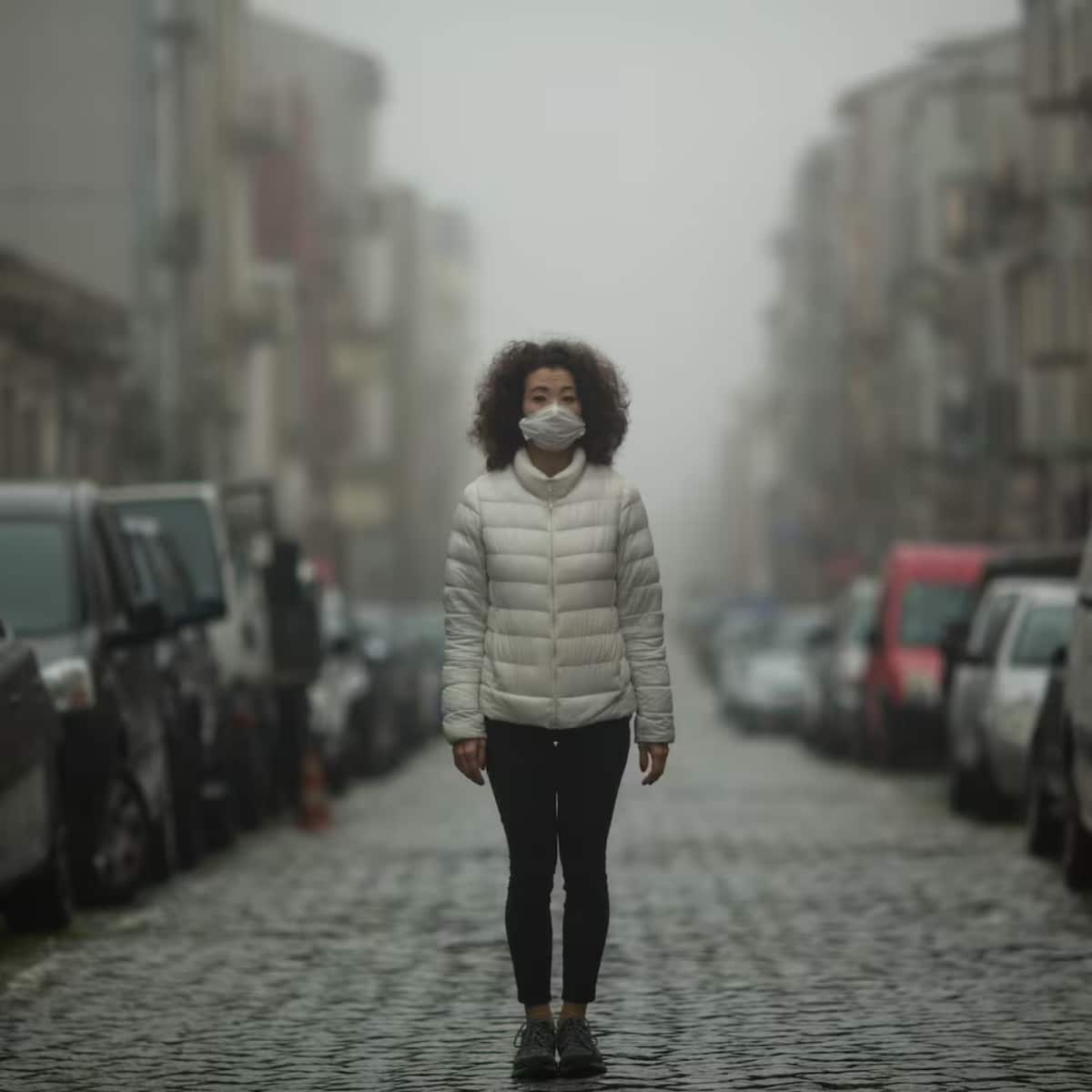
PM2.5 particles are so small they can travel deep into the lungs, even reaching the alveoli. They come from road traffic, oil or wood combustion, and increasingly from bushfires and dust storms—events made more frequent by climate change.
Once inhaled, these particles spark inflammation, heighten oxidative stress, and damage mitochondria, the tiny “power plants” that keep our cells energized. Over time, this repeated exposure contributes to conditions like asthma, COPD, pulmonary fibrosis, and some forms of lung cancer.
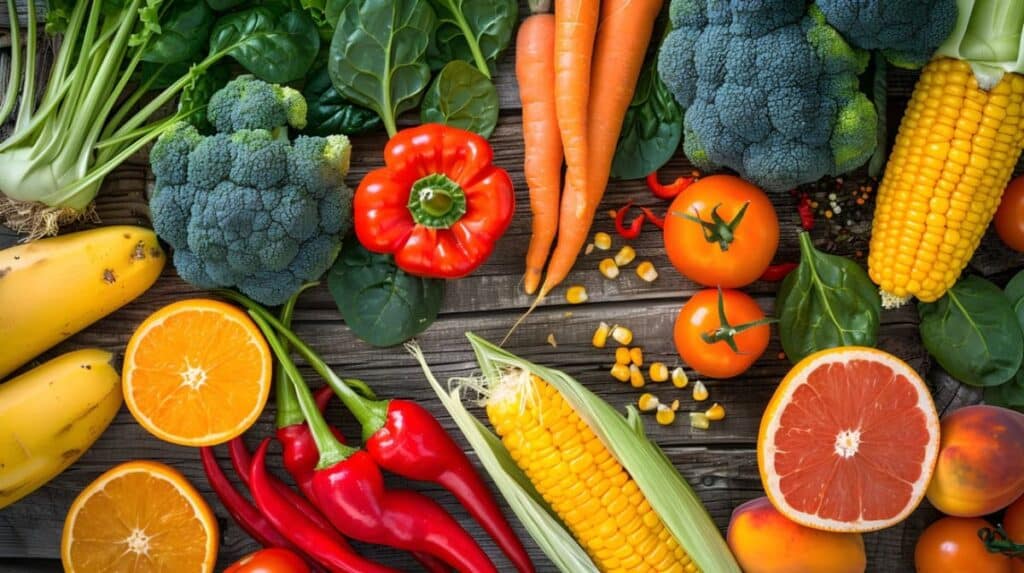
Vitamin C may help reduce inflammation and oxidative stress caused by fine particulate matter from air pollution. By protecting lung cells, it could offer additional support against the respiratory effects of PM2.5. © Lucile, Adobe Stock (AI-generated image)
Vitamin C’s unexpected superpower
To see if these effects could be reduced, scientists at the University of Technology Sydney and the Woolcock Institute of Medical Research looked to a surprising ally: vitamin C. Naturally found in fruits like kiwis and citrus, and vegetables like peppers and cabbage, this antioxidant plays a key role in neutralizing free radicals.
Using both mice and human lung cells, researchers simulated exposure to low doses of PM2.5—levels similar to those found in cities. The results were striking:
• a surge in inflammatory cells
• higher levels of cytokines, molecules that drive inflammation
• elevated oxidative stress and damaged, overactive mitochondria
But when vitamin C was introduced, these harmful effects dropped significantly. Inflammatory markers decreased, the body’s natural antioxidant defenses rebounded, and mitochondrial structure stayed largely intact.
Lead researcher Brian Oliver called the findings “a potential low-cost preventive treatment for a global problem that affects hundreds of millions.”
Vitamin C won’t erase pollution, but it might act as a shield for the lungs—especially during heavy smog, bushfires, or dust storms. Still, the team cautions that these results come from lab and animal models, and human trials are needed before drawing firm conclusions.
[IMAGE]
Promising, but not a miracle cure
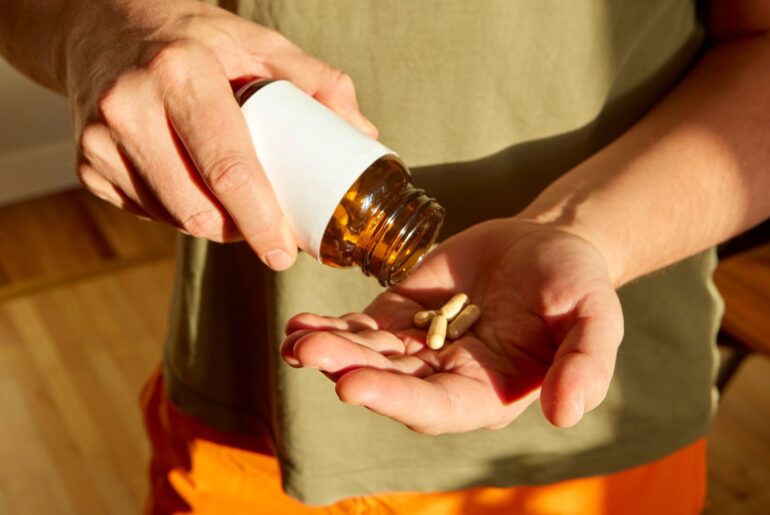
The study used an equivalent of about 1,000 mg of vitamin C per day for humans—well above the recommended daily allowance but below the 2,000 mg safety limit. Even so, experts advise against taking such doses without medical guidance.
Oliver warns, “This study suggests that taking the upper safe limit could help, but always check with your doctor to avoid accidental overdosing.” Though generally safe, too much vitamin C can cause digestive discomfort and other side effects.
The researchers also stress that while these early results are hopeful, more evidence is needed from human trials.
Ultimately, this discovery offers a ray of hope: an affordable, accessible nutrient may help the lungs withstand some of pollution’s assault. But real protection will come from collective action—cutting emissions, making cities more breathable, and staying alert during pollution peaks.

Christelle Cherrier
Web editor
Passionate about words and driven by curiosity, I traded my career as a market research analyst for the sharpened pen of a web writer. For five years, I’ve specialized in health and wellness, delivering clear and insightful content. I’m endlessly fascinated by everything human—from the workings of the body to the mysteries of the mind. My goal? Making complex topics accessible, informative, and engaging—no prescription required!