Hacking, wheezing and sneezing your way into 2026? You aren’t alone.
A nasty new influenza variant — dubbed the “super flu” — is sweeping across the US, fueling a sharp rise in illnesses. So far this season, the CDC has logged 4.6 million flu cases, 49,000 hospitalizations and 1,900 deaths.
New York has been hit especially hard.
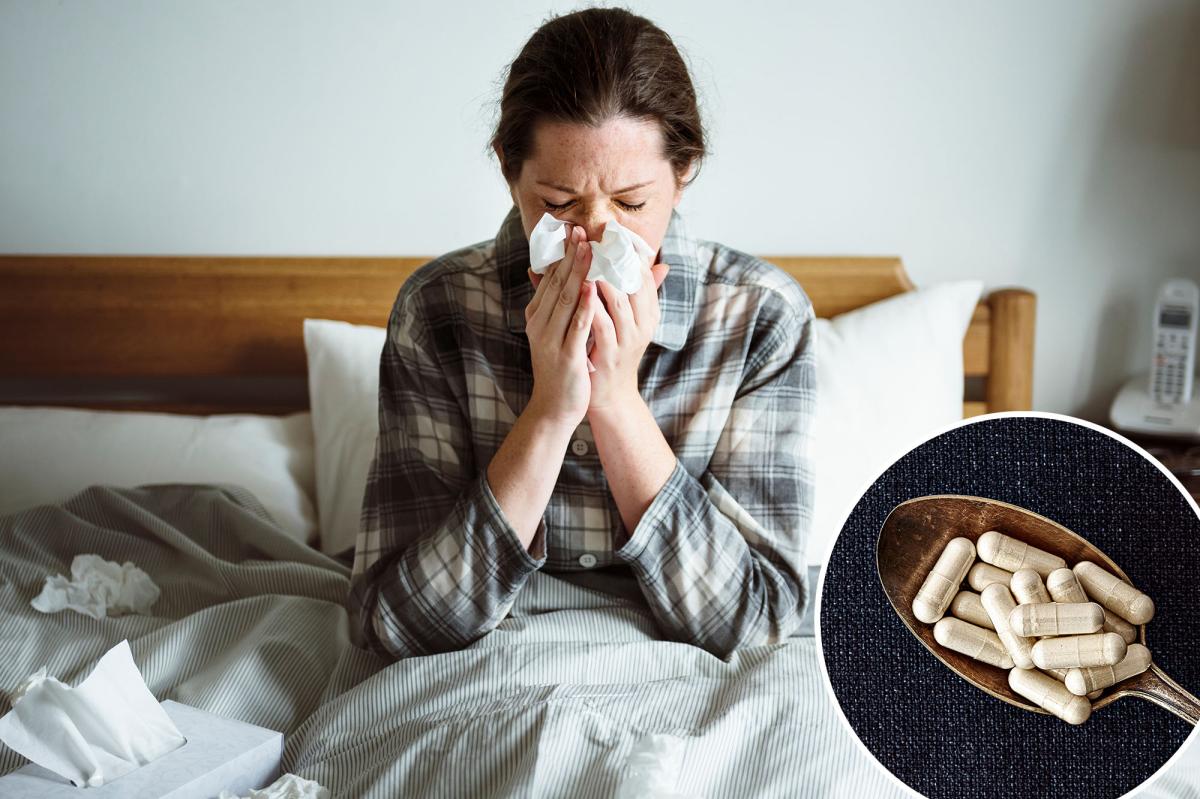
The flu season started early this year, with cases rising faster than expected. Rawpixel.com – stock.adobe.com
During the week ending Dec. 27, the Empire State recorded more flu-related hospitalizations than at any point in the more than two decades it has tracked the highly contagious respiratory illness.
“We are having a more severe flu season than prior years, almost 1,000 more people were admitted to a hospital during this most recent seven-day period compared to the prior week,” State Health Commissioner Dr. James McDonald said in a press release.
Driving much of the surge is a fast-spreading strain of influenza A known as subclade K. Experts say the variant carries multiple mutations that help it dodge immunity from past infections and even vaccines — leaving more people vulnerable to infection.
Common symptoms include fever, fatigue, body aches and chills, along with a runny or congested nose, sore throat and, in some cases, vomiting and diarrhea.
As Americans scramble for relief, public attention has turned to an over-the-counter supplement called N-acetylcysteine, or NAC. Supporters claim it can ease flu symptoms and even shorten how long you’re sick.
But does it really work? To answer that, it helps to understand what NAC actually is.
N-acetylcysteine, or NAC, is widely available at pharmacies without a prescription. photo_gonzo – stock.adobe.com
NAC is a supplement form of cysteine, an amino acid found naturally in high-protein foods like beef, chicken, eggs, cheese, yoghurt and whole grains.
It’s considered “conditionally essential,” meaning the body can make it from other amino acids, but not always in sufficient amounts.
Adequate cysteine and NAC levels are crucial because they help replenish glutathione, one of the body’s most powerful antioxidants.
Glutathione neutralizes harmful free radicals that cause oxidative stress, a process that can damage cell membranes, proteins, lipids and DNA and is linked to conditions such as arthritis, diabetes, heart disease, Alzheimer’s, cancer and premature aging.
It also supports immune function, brain health, fertility and the body’s ability to flush out harmful substances.
In mainstream medicine, NAC’s uses are already well established.
The FDA has approved it as the antidote for acetaminophen poisoning, helping prevent or reduce liver damage when given after an overdose.
NAC has also been cleared for use in lung conditions marked by thick, sticky mucus, including COPD, bronchitis and cystic fibrosis. The drug thins mucus by breaking apart its chemical bonds, making it easier to cough up and clear the airways.
These days, NAC is also widely available as a dietary supplement. In 2022, the FDA said it would not take enforcement action against companies selling it, citing strong consumer demand and a long history of safe use.
Scores of Americans are being sent to the hospital with flu symptoms, including fever, sore throat and congestion. Christopher Sadowski
“I often recommend N-acetylcysteine (NAC) as a beneficial supplement,” Dr. Naveed Asif, a general practitioner, told Marie Claire UK.
“It supports respiratory health by thinning mucus and enhancing lung function, which is particularly helpful during cold and flu season,” he explained. “Additionally, NAC serves as a powerful antioxidant, boosting the immune system and reducing oxidative stress, which further augments my overall well-being during the winter months.”
Some research backs up the hype.
In an Italian study, researchers gave participants either a placebo or 600 milligrams of NAC twice daily for six months.
By the end of the trial, 79% of people taking the placebo developed flu symptoms — compared to just 25% in the NAC group. Those taking the supplement also had milder symptoms and bounced back faster from the illness.
Still, NAC isn’t officially recommended as a first-line flu treatment. Experts say it may be useful as an add-on therapy, particularly for older adults, high-risk patients and cases marked by excessive mucus.
For those already feeling under the weather, doctors recommend antiviral medications such as Tamiflu and Xofluza, which are most effective when started within 48 hours of symptom onset.
Plenty of rest and fluids are also key, helping give the immune system what it needs to fight off the infection.
And don’t forget: it’s not too late to get your flu shot. While this year’s vaccine isn’t perfectly matched to the dominant subclade K strain, doctors say it can still help prevent severe illness, hospitalization and death.
Above all, stay home. The Big Apple has had more than enough germs to go around.
During the week of Dec. 20, more residents visited city emergency rooms with flu symptoms than in any other week over the past decade.
That same week, the New York State Department of Health logged 71,123 positive flu cases — the highest single-week total since it began tracking in 2004.