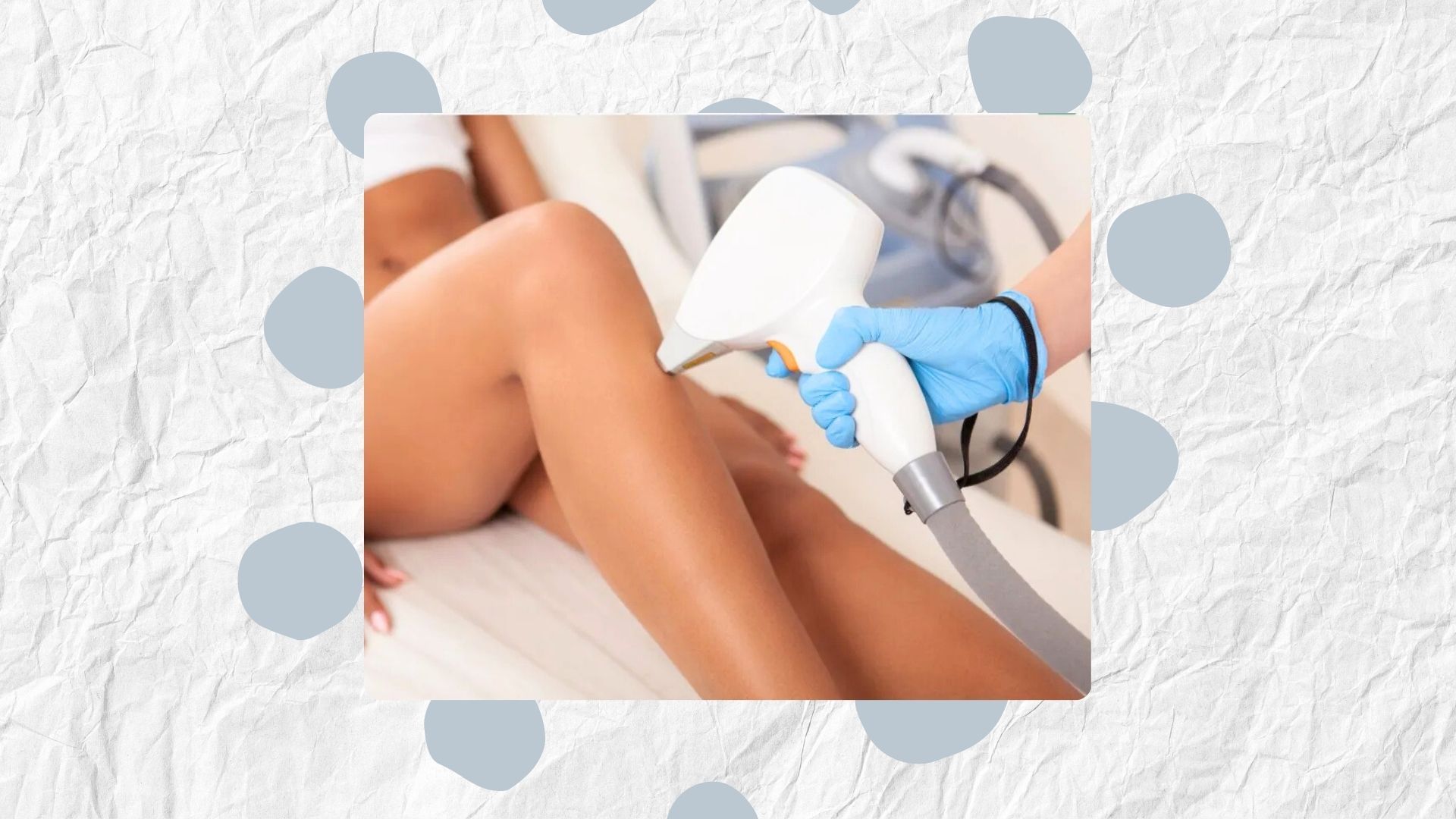
Laser hair removal can still feel like a hush-hush subject, and yet last year it became the most popular treatment in UK Aesthetics for the first time since 2020, overtaking Botox and fillers.
When it comes to body hair, the mood has certainly shifted to be more open, accepting, and positive. But for some of us, permanent removal remains the Holy Grail. As a dark-haired white girl, I always felt embarrassed about my body hair. At school, boys jeered at my fuzzy arms; my best friend kindly pointed out I had a moustache, aged 11. Tears flowed, and out came the Jolen bleach.
I’ve carried the shame of hirsutism ever since. It’s had such a profound impact on my self-esteem, but finally, aged 23, I booked in for laser hair removal. 17 years on, it has been simply life-changing.
You may like
Laser hair removal: here’s what I’ve learned
When it comes to smooth skin, options abound. You could go down the razor route, or even invest in one of the best IPL hair removal devices. But experts agree that for long-term hair reduction, in-salon laser is the way to go. And now we’re full swing into winter, it’s the perfect time to start your journey.
With the help of experts in the field, alongside my own personal experiences, we unpack everything you need to know before booking in for laser hair removal.
1. It’s reduction, not removal!
“Laser is not 100% hair removal, rather long-term reduction of hair growth,” explains Kerrie-Ann Grant, Senior Laser Therapist at Thérapie Clinic. “Following a treatment course, we can achieve up to 80-90% hair reduction.” Personally, eight years after I underwent a course of six sessions on my legs, the hairs are few and far between. I can go bare-legged, having not shaved in months, without feeling self-conscious about those last few spindly hairs.
According to Grant, clients can see results after the very first session. “The hair can be slower to regrow between sessions, the hair texture can change and become thinner, along with noticeably less hair.” It’s also much more affordable than it was 20 years ago. At Thérapie Clinic, prices start at just £9.95 for an underarm session.
2. It works on all skin tones, but not hair colours
In the past, lasers struggled to distinguish deep skin tones from dark hair, so it wasn’t always available to those with Black or Asian skin. But modern machines, along with a greater understanding of melanin sensitivity, have changed that. “Laser hair removal can be performed safely on most skin tones,” explains Professor Firas, Consultant and Dermatologist. “However, the type of laser used is important. For darker skin tones, specific wavelengths such as the 1064 nm wavelength used in the Nd:YAG laser are safest and most effective. This wavelength penetrates deeper into the skin while minimizing the risk of pigmentation changes or burns.”
Hair colour is a different matter. “The best candidate for laser hair removal is any client that has dark hair, ideally dark brown or black, as the laser is attracted to the pigment in the hair,” says Grant. “Clients who have red, white, blonde, or grey hair would not be advised to undergo laser. The laser is essentially colour blind to these hairs and has no effect.”
3. It takes months
If you thought laser hair removal was a one-and-done treatment, think again. For best results and permanent hair reduction, experts recommend a course of at least eight sessions.
You may like
It’s also important to time your treatments with precision. As Grant says, “Sessions follow a very important booking timeframe: every 4-6 weeks for face areas, and 6-8 weeks for body areas. If we carry out laser sessions too early or too late, we can see a negative impact on overall results.” This is because laser hair removal needs hair to be in the anagen or growth phase of the hair cycle. “At any given time, only 1%-30% of our hairs are in the anagen stage; this is why we need multiple sessions,” she explains.
Experts recommend planning a course of laser six months before any holidays or big events, which means if you want to be fuzz-free by summer, you’ll ideally need to start in winter.
4. Different areas react differently
“Vellus hair is your soft, downy ‘peach fuzz’ and is not meant to be aggressively removed,” explains Trish Coulton, founder of Bondi Body. It’s typically found on the face and neck, and is best tackled with a gentle approach like dermaplaning. “Using laser on vellus hair doesn’t just waste your money, it can trigger a condition called paradoxical hypertrichosis, where hair grows back thicker and darker.”
“However, terminal hair on places like your brows, legs, bikini line, and underarms is thicker and darker, which makes it a perfect target for laser,” says Coulton.
5. You’ll be out of the clinic in a flash!
“Laser is a very quick treatment,” reveals Grant. “Full legs, Hollywood, and underarms only take 45 minutes.” It’s true of my own experience, too – my upper lip treatment took less than five minutes a session.
You won’t have to worry about too much downtime either. As Grant says, “It’s walk in and walk out.” You might see a bit of redness, and your skin can feel a little hot immediately after the treatment, but Grant assures that everything should heal within 24-72 hours.
6. You’ll need to shave before your appointment
Before your appointment, you’ll need to shave the area ready for laser. As Grant explains: “Laser hair removal works by shining a laser light down the hair follicle and using heat to destroy the root. If a client arrives at an appointment with hair growth and we laser directly over it, the laser energy is absorbed by the surface hair and not utilised at the root, leading to poor results. The closer the shave, the better!” So use the best razor you can, and replace blades regularly.
And if regrowth is bothering you between appointments, shave it. Waxing, epilating, tweezing, and even hair removal creams are strictly off the menu. “This is because laser hair removal destroys the roots of our hair, known as the dermal papilla, which is responsible for keeping the bulb alive,” explains Grant. “If we destroy the dermal papilla, the body can no longer feed the hair, thus killing it. But when we wax, thread or tweeze we can pull the dermal papilla out with the hair. And if there are no roots, the laser will not work.”
7. Mind your tattoos
Laser hair removal isn’t recommended for those with body art as it can cause fading and discomfort. You can still book in, but the laser cannot be used to target hairs over a tatto,o so if one falls in your treatment area, it will be covered up and skirted around. This is why initial consultations are so important – you can alert your clinician to any inkings beforehand to see whether it’s worth your time and money.
8. Some areas are more painful than others
Everyone has their own pain threshold, so it’s hard to put a number on it on a scale of suffering. I would describe my own pain threshold as mid to high, and I’ve never found it intolerable. If you’ve survived a Hollywood bikini wax, you’ll easily get through laser hair removal. Grant describes the sensation as “a pinch or a snap of an elastic band on the skin accompanied by heat.” The laser is also accompanied by a cold flow of air on the skin, which feels lovely and really does help to minimise any discomfort.
Like waxing, there are areas more sensitive than others. When I had my legs done, I remember the ankles being a bit of a ‘grit your teeth’ moment. As Grant explains, “Generally speaking, the most uncomfortable areas would be bony areas like the ankles; the upper lip can be more pinchy as the skin is thinner with more nerve endings. Bikini areas can be more intense due to the coarseness of pubic hair.”
9. It’s fine to be on your period
I have always avoided a bikini wax at that time of the month – it’s less to do with heightened skin sensitivity (although that will be a factor for many), and more to do with prudishness. I don’t want to have that awkward conversation with my beauty therapist. But Grant assures me that laser hair removal on the bikini area is absolutely fine while menstruating, so if your next appointment falls on your bleed week, wear a tampon and don’t put it off. It’s best to stay consistent.
Grant does, however, acknowledge that, “clients can feel more sensitized during this time as hormonal changes can make our skin more sensitive and affect our pain threshold.”
10. There are things to avoid
Ensuring the skin and hair is prepared properly before your appointment will help to optimise results, according to Grant.
Stop all other hair removal methods like waxing, tweezing, and epilating four weeks priorPrepare skin by shaving 24 hours in advance of your appointmentRemove all fake tan and tinted products. The area should be free from deodorant, lotions and sun creamAvoid sun exposure and sun beds two to six weeks priorAvoid exfoliants and active ingredients three to five days before any sessions on the face, and alert your laser specialist of any medical changes or recent advanced treatments you may have had
Post-treatment, your skin may feel a bit touchy. Professor Firas reveals the things to avoid
After treatment, avoid harsh exfoliants, retinols, or perfumed products for at least a few days, as the skin may be more sensitiveAvoid heat, sweating, or friction on the treated area immediately after your session to prevent irritation or inflammation. You can return to exercise once any heat reaction or redness in the treated area has settled – typically within one to two daysAvoid sun exposure for a minimum of seven days after the treatment, or as long as the skin is a bit sensitive from the treatment, and wear high-factor, broad-spectrum sunscreen every dayPost-laser saviours to soothe skin
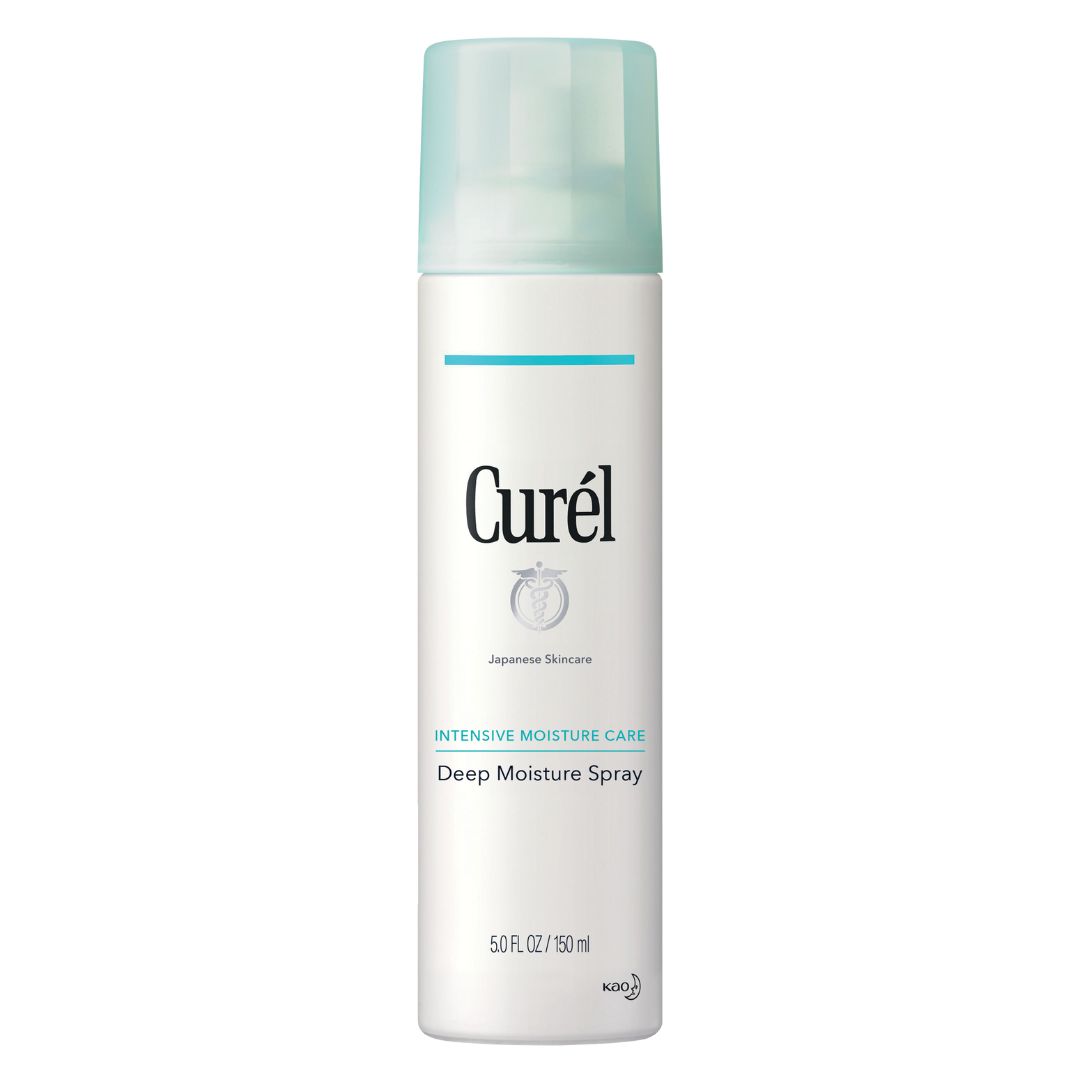
Curel
Deep Moisture Spray
RRP: £19.50
A refreshing moisturising mist that can be used anywhere to soothe and hydrate, enriched with barrier-boosting ceramides to help provide instant relief.
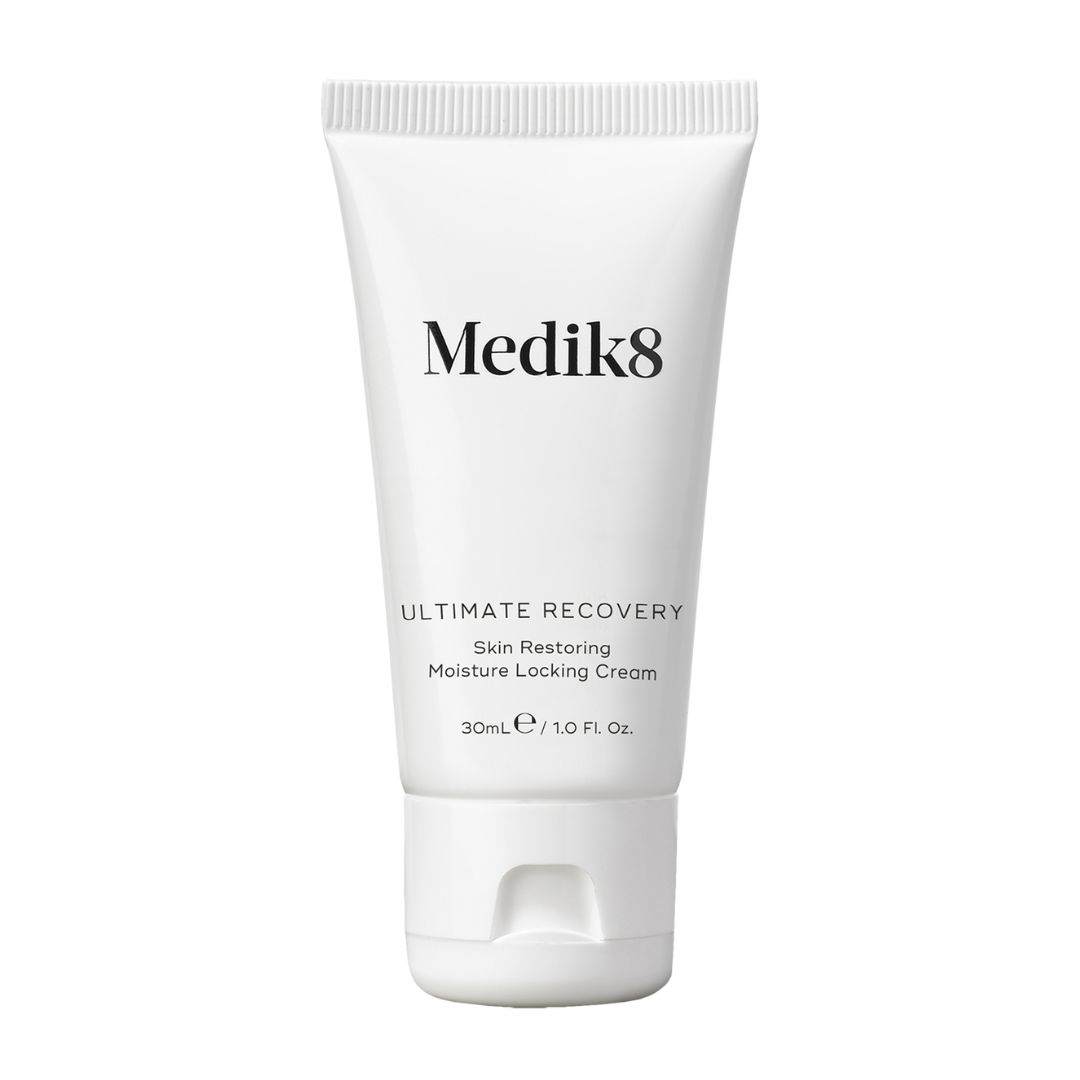
RRP: £39
This cosseting cream was designed with aesthetic treatments in mind, infused with soothing allantoin to repair compromised skin and minimise any potential downtime.
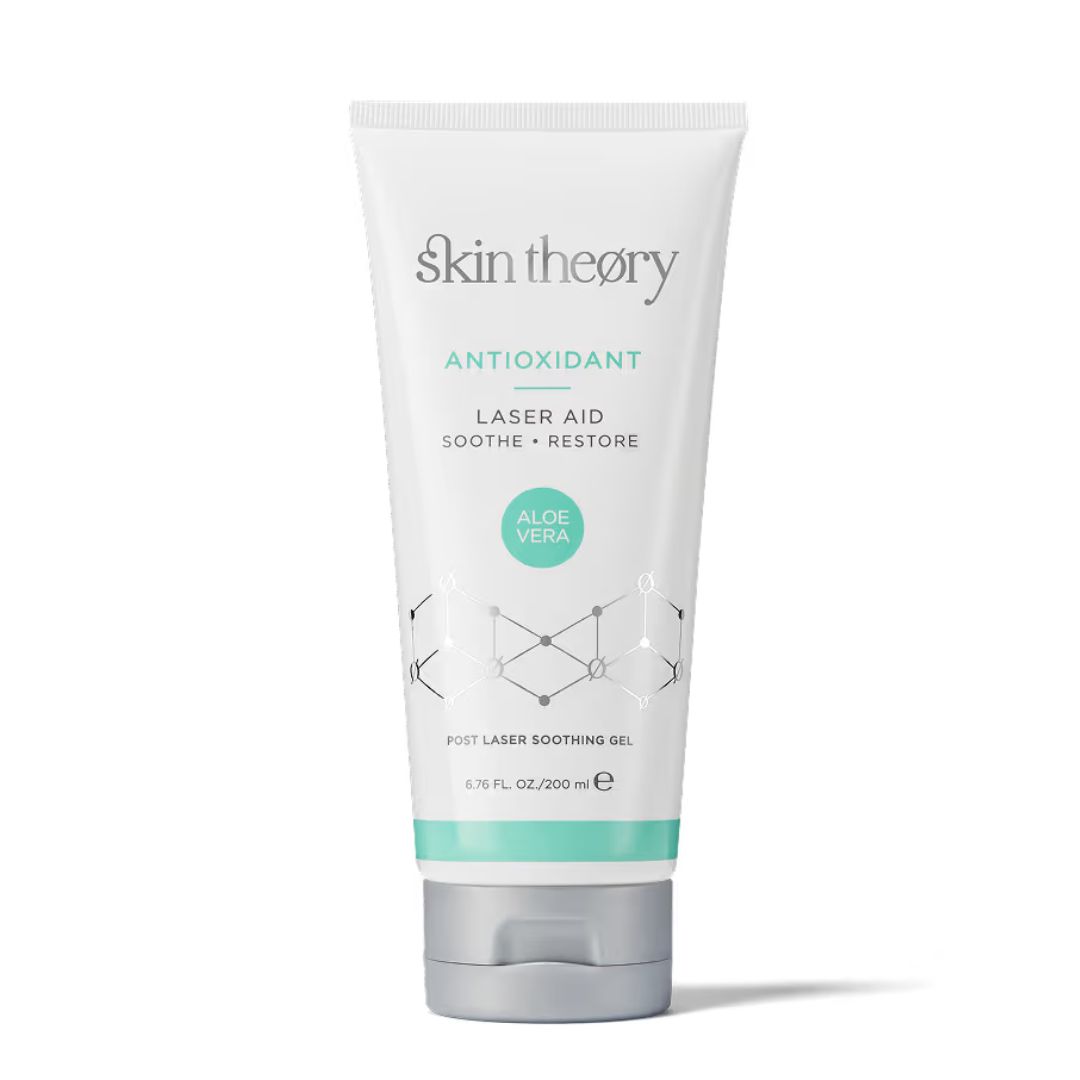
Skin Theory
Post Laser Soothing Gel
RRP: £12.95
Recommended by Thérapie Clinics to use immediately following treatment, the gel helps dial down redness, calm touchy skin and replenish moisture. Keep it in the fridge for extra relief.