Home » MONGOLIA TRAVEL NEWS » Uncover Mongolia’s Rich Heritage and Natural Beauty: A Growing Destination for Adventure Seekers
Published on
January 4, 2026
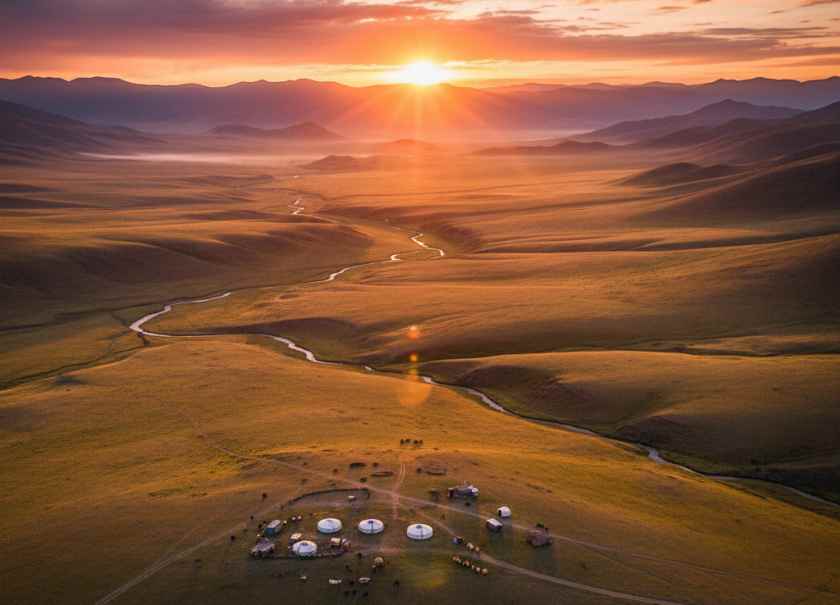
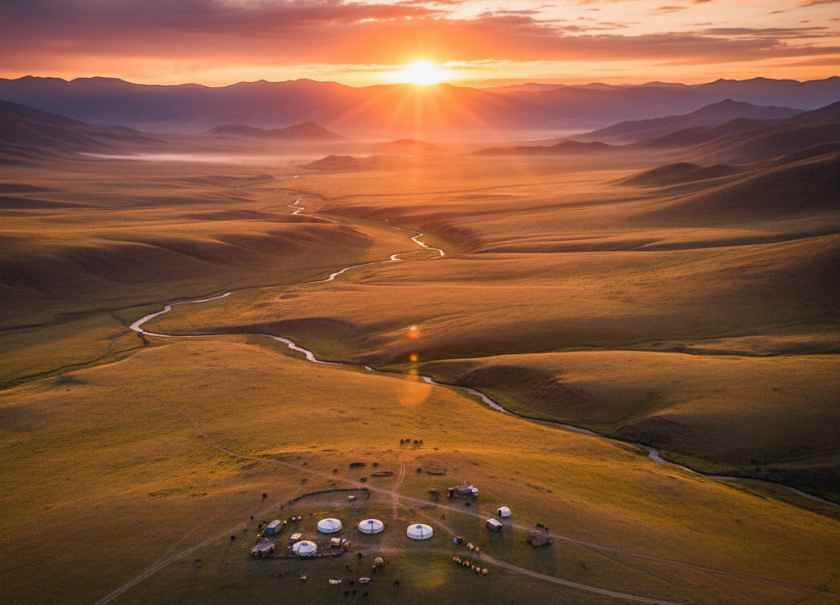
Mongolia, a vast and stunning country nestled between Russia and China, is seeking to significantly boost its tourism sector by 2030. Often referred to as the “Land of the Blue Sky,” Mongolia is renowned for its sweeping grasslands, rugged mountain ranges, and vast deserts. Despite being one of the least visited countries in Asia, Mongolia’s unspoiled landscapes, rich culture, and unique heritage have begun to draw more attention from tourists. With over 260 sunny days a year, the country presents an appealing destination for those seeking adventure and natural beauty.
Mongolia’s Unmatched Natural Beauty
Mongolia is a country of dramatic contrasts, with a variety of landscapes that offer visitors a range of outdoor experiences. The country is home to the Gobi Desert, one of the largest and most famous deserts in the world. This vast stretch of sand dunes and arid terrain presents a stunning, almost otherworldly atmosphere. Tourists visiting the Gobi Desert can explore its unique features, such as the flaming cliffs of Bayanzag, where fossils of ancient creatures have been discovered, and the Khongoryn Els sand dunes, one of the most famous landmarks in Mongolia.
In stark contrast to the desert, Mongolia also boasts towering mountain ranges, such as the Altai Mountains and Khangai Mountains. These regions are a haven for trekkers and mountaineers looking for rugged adventure. The Tavan Bogd Mountain, part of the Altai range, is home to some of the highest peaks in the country, providing breathtaking views for those willing to make the trek.
Mongolia’s grasslands are another major draw. The expansive steppes stretch as far as the eye can see, providing a serene and pristine environment. These lush plains are perfect for horseback riding, camping, and exploring the nomadic lifestyle that has shaped the country for centuries. The Khustain Nuruu National Park, known for its wild horses (Przewalski’s horses), is one of the best spots to experience Mongolia’s natural beauty and its unique wildlife.
Mongolia’s Rich Cultural Heritage
In addition to its stunning landscapes, Mongolia is home to a rich and deep cultural heritage. The country’s nomadic traditions, which date back thousands of years, continue to play an essential role in daily life. Visitors to Mongolia can experience this way of life firsthand, either by staying with local families in traditional yurts or by participating in nomadic activities such as herding, horse riding, and experiencing the unique Mongolian cuisine.
One of the most iconic cultural experiences for visitors is the Naadam Festival, held every summer in July. The festival celebrates the “Three Manly Games” of wrestling, archery, and horse racing, and is a key part of Mongolian identity. This event attracts both locals and international tourists, offering a unique opportunity to witness traditional sports and cultural performances in the heart of Mongolia.
Rising Interest in Sustainable and Adventure Tourism
Mongolia is increasingly becoming a popular destination for sustainable tourism and adventure travel. As travelers seek more off-the-beaten-path destinations, Mongolia offers opportunities to connect with nature in its purest form. Its low population density and lack of mass tourism provide visitors with a unique chance to explore remote areas without the overwhelming presence of crowds.
The country’s government and local communities are working to promote eco-tourism and conservation efforts to protect the environment while also developing sustainable tourism infrastructure. Many tour operators are focusing on small-group, responsible travel that emphasizes environmental sustainability and cultural respect.
Adventure tourism in Mongolia is rapidly growing, with more visitors opting for activities such as trekking, cycling, and camping in remote wilderness areas. The rugged terrain offers ideal conditions for these activities, with regions like Terelj National Park and Khovsgol Lake attracting those interested in outdoor adventures. Travelers can also explore the country by horseback, experiencing the traditional method of travel used by the Mongolian nomads.
Mongolia’s Push to Boost Tourism by 2030
Mongolia’s government has set ambitious goals to increase the number of international tourists by 2030, aiming to position the country as a prime travel destination in Asia. The government’s efforts include improving transportation networks, increasing flight connections, and developing infrastructure in key tourist areas. In recent years, there has been an increase in the number of international flights, particularly from neighboring countries like China, Russia, and South Korea, making it easier for travelers to reach the country.
Mongolia’s tourism strategy is also focused on promoting cultural tourism, including visits to ancient Buddhist monasteries, historical sites such as Karakorum (the capital of the ancient Mongol Empire), and unique experiences like staying with nomadic families or taking part in local festivals. By offering these unique, immersive experiences, Mongolia hopes to attract a wide range of travelers, from those seeking adventure to those interested in cultural and historical exploration.
Challenges and Opportunities for Tourism Growth
While Mongolia offers incredible tourism potential, there are still challenges to be addressed. Infrastructure in remote areas remains underdeveloped, and the tourism sector will need further investment to handle growing demand. Additionally, some regions in Mongolia still lack adequate amenities, such as modern accommodations, transportation, and medical facilities.
However, the country’s pristine environment and rich cultural heritage present unique opportunities for the growth of tourism in the coming years. With proper development and sustainable practices, Mongolia could become one of the top adventure and eco-tourism destinations in the world.
Conclusion
Mongolia is a country brimming with natural beauty, cultural richness, and adventure, making it an ideal destination for travelers looking to explore a unique part of the world. With its majestic mountains, vast deserts, and traditional nomadic lifestyle, Mongolia offers an experience unlike any other. As the country continues to develop its tourism infrastructure and focuses on sustainable growth, it is poised to become a major player in the global tourism market by 2030. For those seeking an authentic, off-the-beaten-path adventure, Mongolia remains a destination full of untapped potential waiting to be discovered.