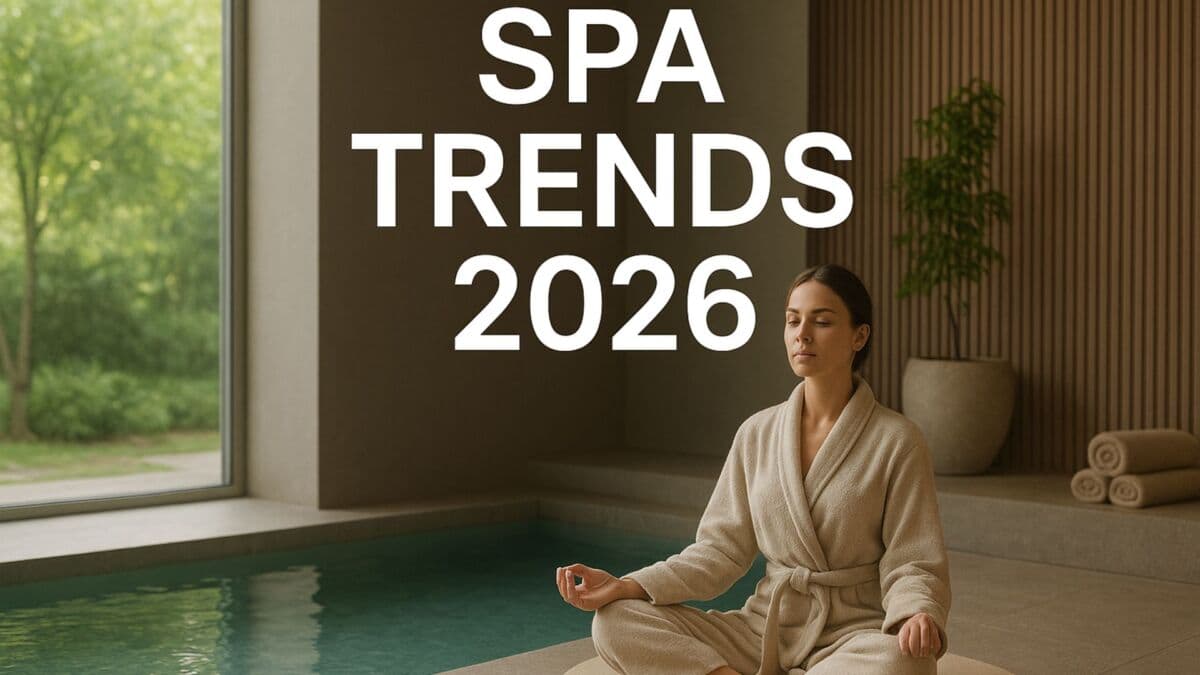
The spa tourism is undergoing a phase of profound transformation. While for decades spas were mainly associated with traditional treatments and a mature audience, today the sector is evolving rapidly, intercepting new needs related to to prevention, personalization of health pathways and integration of technology and wellness. Looking ahead to 2026, the spa world presents itself as a laboratory of innovation, capable of combining age-old tradition and advanced approaches to physical and mental health.
The very concept of well-being is changing. It is no longer just about relaxing or alleviating an ailment, but about building lasting balance, preventing disease and improving quality of life in the long run. In this scenario, spas become places where well-being is designed, measured and accompanied, before, during and after the stay.
From traditional SPAs to digital SPAs
One of the most obvious trends concerns the’Entry of technology into spa environments. So-called “digital spas” do not replace the physical experience of water and human contact, but rather amplify it. Dedicated apps, wearable devices and digital platforms now make it possible to monitor parameters such as sleep quality, stress, muscle recovery and response to treatments, creating an ongoing dialogue between guest and facility.
By 2026 this approach will be increasingly widespread. Thermal routes will be preceded by a digital assessment phase, useful for understanding the person’s overall health status, goals and any frailties. At the end of the stay, the data collected will make it possible to suggest lifestyles, maintenance treatments and scheduled returns, turning the spa vacation into a true ongoing health journey.
Preventive health: the heart of the new thermalism
La prevention is set to become the central pillar of spa tourism in the coming years. More and more people are approaching spas not because they already have a disease, but to avoid its onset or to consciously manage borderline conditions related to stress, sedentariness, poor diet, or metabolic imbalances.
Preventive health programs integrate thermal waters, mud therapy, hydropinic care and inhalations with targeted check-ups, nutritional counseling and psychophysical rebalancing pathways. By 2026, this type of offering will be increasingly structured, with clear and measurable protocols designed to act on the digestive system, cardiovascular system, chronic inflammation and sleep quality. Spas are thus positioned as intermediate spaces between wellness and health care, places to take care of oneself before discomfort results in pathology.
From standard treatment to unique pathway: the new era of the spa
Another key trend is the increasing personalization of the spa experience. The “one treatment for all” leaves room for custom-built programs that take into account age, lifestyle, physical condition and individual goals. This applies to both short programs, such as Day Spas, and multi-day stays dedicated to detox, rehabilitation, or stress management.
In the spa tourism of the future, personalization will not be a premium service, but a standard. The guest will be taken on a coherent journey, where each treatment has a precise function and is part of an overall vision of wellness.
Returning to nature as a therapeutic value
Alongside technological innovation, there is growing attention to the natural and environmental dimension. The context in which spas are located becomes an integral part of the therapeutic experience. Spa parks, gardens, outdoor sensory trails and nature walks are increasingly being integrated into wellness programs.
In 2026, the concept of “landscape therapy” will be increasingly central. Contact with natural environments, silence, natural light and gentle movement in the open air help reduce stress, improve mood and enhance the effects of spa treatments. Facilities that know how to enhance their area will have a significant competitive advantage.
Mental well-being and stress management
Future spa tourism also responds to a growing demand for mental health support. Chronic stress, burnout, and difficulty concentrating have become central themes, especially for an increasingly connected and pressured population.
Spas are expanding their offerings with programs dedicated to deep relaxation, mindful breathing, mindfulness and psychophysical recovery. Water, heat and rituals become tools for slowing down, regaining the natural rhythm and restoring a balance between body and mind. In 2026, this aspect will be increasingly integrated into global wellness pathways.
The future of thermalism is green: innovation, efficiency and care for the environment
A further trend concerns the sustainability. Spa tourism is called upon to responsibly manage valuable resources such as water and land. Technological innovations help to reduce waste, improve energy efficiency, and ensure conscious use of natural resources.
The well-being of the future cannot ignore respect for the environment. Facilities that invest in sustainability, transparency and social responsibility are responding to a growing demand from conscious travelers, who choose places capable of taking care not only of people, but also of the context in which they operate.
Spa tourism 2026: harmony between roots and future of wellness
The year 2026 looms as a baccalaureate year for spa tourism, in which tradition and innovation find a new balance. The spa is no longer just a destination, But a health partner, capable of accompanying people on pathways to prevention, regeneration and improved quality of life.
From digital spas to preventive health programs, from personalization to integration with nature, the spa world is evolving by responding to real and profound needs. An evolution that confirms the role of spas as central places of today’s and tomorrow’s wellness.