Whole-food, plant-based better vitamin C supplements support immunity and collagen with cleaner formulations that prioritize absorption and ingredients.
Vitamin C is one of the most widely used dietary supplements, yet it remains one of the most misunderstood. Unlike trend-driven nutrients that cycle in and out of favor (and Erewhon smoothies), vitamin C sits at the center of foundational human biology, touching everything from immune defense to collagen synthesis. What often gets lost is that the form, dosage, and formulation matter as much as the vitamin itself.
“While we typically associate vitamin C with boosting our immune systems, it does much more than that,” Jess DeGore, RD, CDCES, diabetes dietitian, told Real Simple. As a powerful antioxidant, vitamin C protects your cells from damage caused by diet, stress, and even air pollution.
Recent research underscores how dietary or supplemental vitamin C travels through the bloodstream into tissues once it is consumed. A study published in the Journal of Investigative Dermatology showed that adults who ate two kiwis daily for eight weeks exhibited measurable increases in skin vitamin C levels as well as changes linked to skin density and cellular renewal, both of which are associated with collagen production.
“We were surprised by the tight correlation between plasma vitamin C levels and those in the skin,” lead author Margreet Vissers said in a University of Otago news release. “This was much more marked than in any other organ we have investigated.” She added, “Our study shows that the skin is extremely good at absorbing vitamin C from the blood circulation.”
Different formulations can affect how vitamin C is tolerated or absorbed. Traditional ascorbic acid is well established in research, but alternatives such as mineral ascorbates are often gentler on the digestive tract, and liposomal technologies are designed to improve uptake by protecting the nutrient as it passes through the gastrointestinal tract.
Source:
Top clean vitamin C supplements
Below are clean vitamin C supplements that span forms, delivery systems, and use cases — from capsules for daily wellness to advanced liposomal options for enhanced absorption.
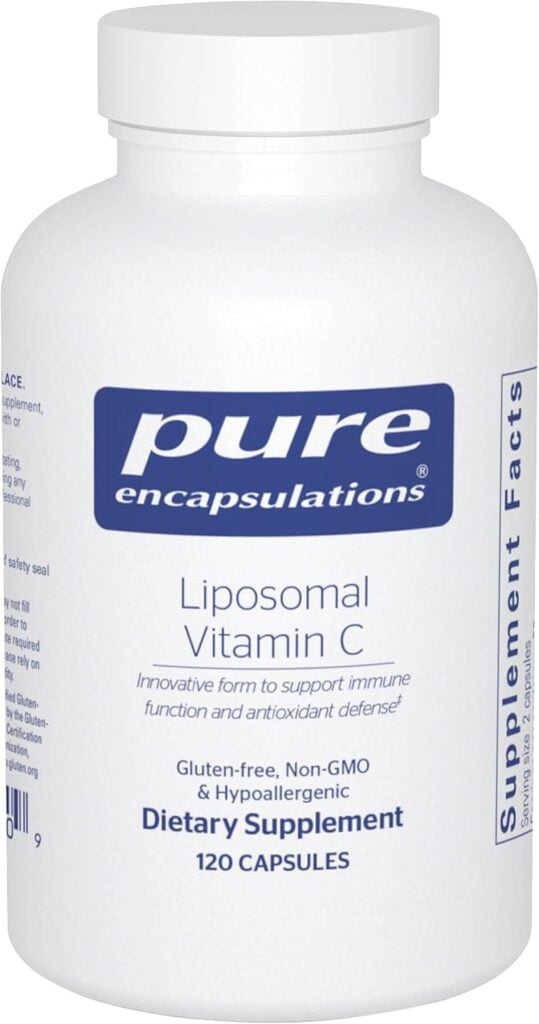
Pure Encapsulations Liposomal Vitamin C
Why trust it: Pure Encapsulations’ liposomal vitamin C is formulated for superior absorption and antioxidant protection compared with many standard ascorbic acid formulas. Its liposomal delivery system helps vitamin C traverse digestive barriers more effectively, supporting immune health while promoting collagen production — a feature especially valued by users looking for functional wellness rather than filler-heavy tablets. The formula includes citrus bioflavonoids that add antioxidant synergy without synthetic extras, and it’s non-GMO, vegan, and gluten-free.
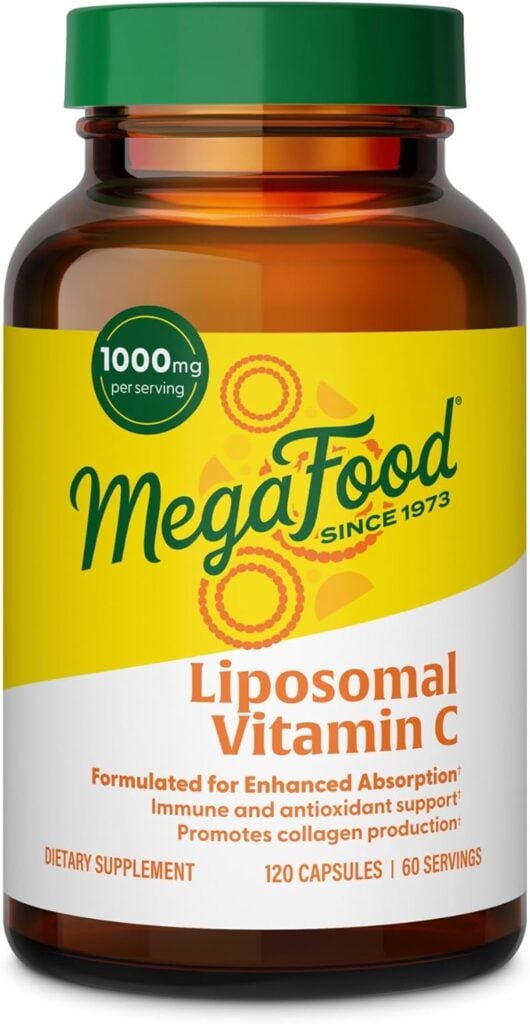
Mega Food Liposomal Vitamin C
Why trust it: MegaFood’s liposomal vitamin C delivers a high-potency antioxidant dose with enhanced bioavailability and gentle digestion, making it ideal for daily wellness. Every serving provides 1,000 mg of vitamin C and delivers support for immune, gut, skin, and overall cellular health. This formulation is designed to be easier on the stomach than some traditional high-dose ascorbic acid supplements and aligns with a clean-label ethos that emphasizes nutrient efficacy and broad health impact.
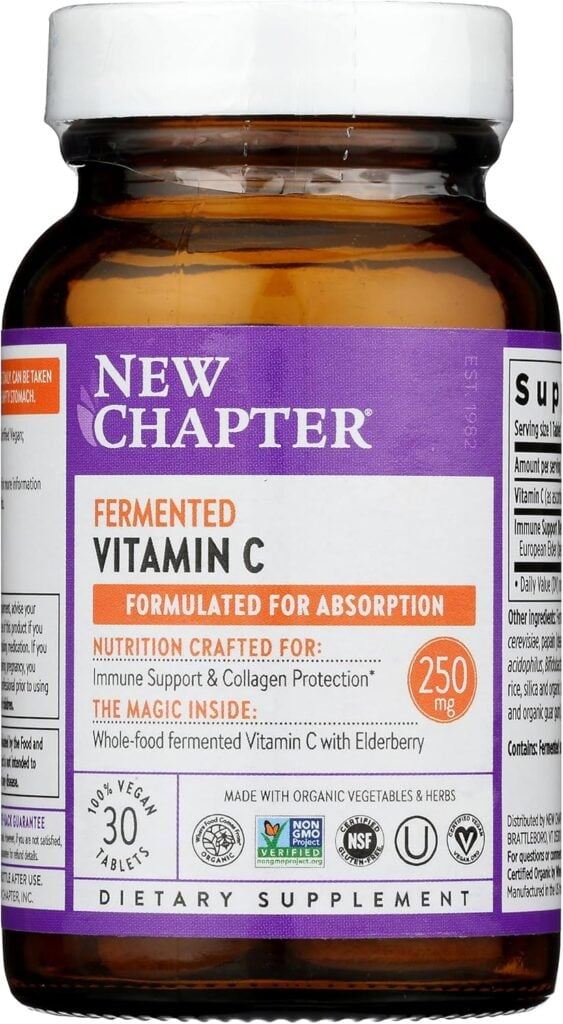
New Chapter Fermented Vitamin C
Why trust it: New Chapter’s fermented vitamin C stands out for its food-first philosophy, combining cultured vitamin C with organic herbs like elderberry, astragalus, and eleuthero to create a gentle-on-the-stomach nutrient blend. This approach mirrors how food is naturally absorbed and digested, and appeals to those who want a more holistic, plant-centric supplement rooted in traditional fermentation techniques rather than isolated nutrient concentrates. The fermentation process also aims to enhance nutrient utilization at lower doses.
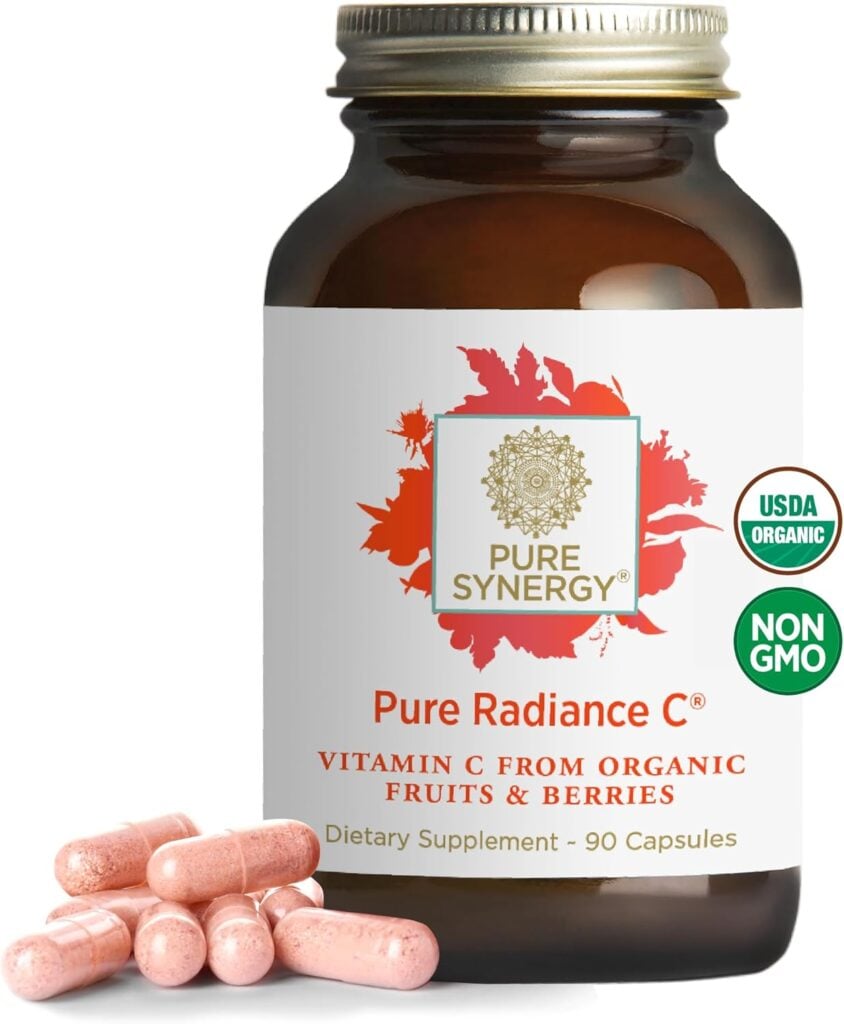
Pure Synergy Pure Radiance Vitamin C
Why trust it: Pure Synergy’s Pure Radiance C is a standout for anyone who prioritizes organic, whole-food sourcing and phytonutrient cofactors. Combining organic camu camu, acerola cherry, and a bouquet of antioxidant-rich berries and fruits, it offers vitamin C as nature intended — rich in plant cofactors that may support immune function, collagen formation, and overall antioxidant defenses. This certified organic, non-GMO, vegan formula is especially gentle on digestion and well-loved for its broad-spectrum support.
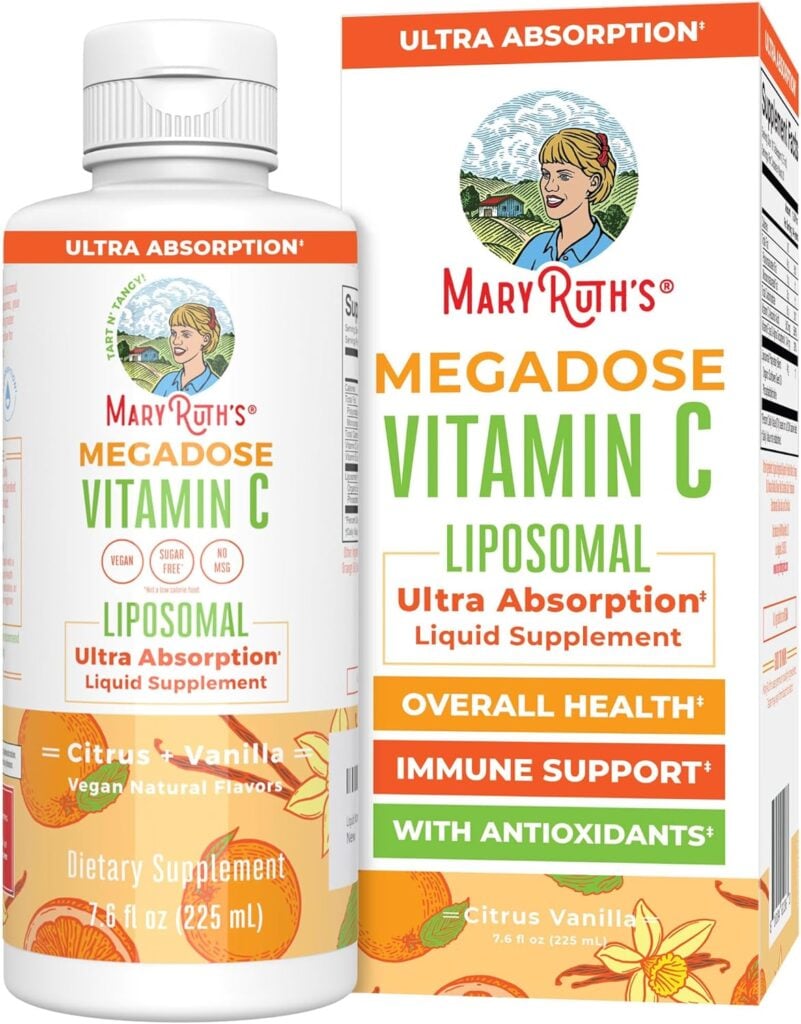
MaryRuth’s Megadose Vitamin C Liposomal Liquid
Why trust it: MaryRuth’s megadose vitamin C uses liposomal technology to support efficient uptake and immune resilience while aiding normal collagen formation — a key structural protein for skin, bones, and blood vessels. With 500 mg per serving in a liposomal matrix, it’s ideal for those who want daily support without digestive discomfort. This blend also aligns with the brand’s clean, food-inspired philosophy and avoids artificial additives.
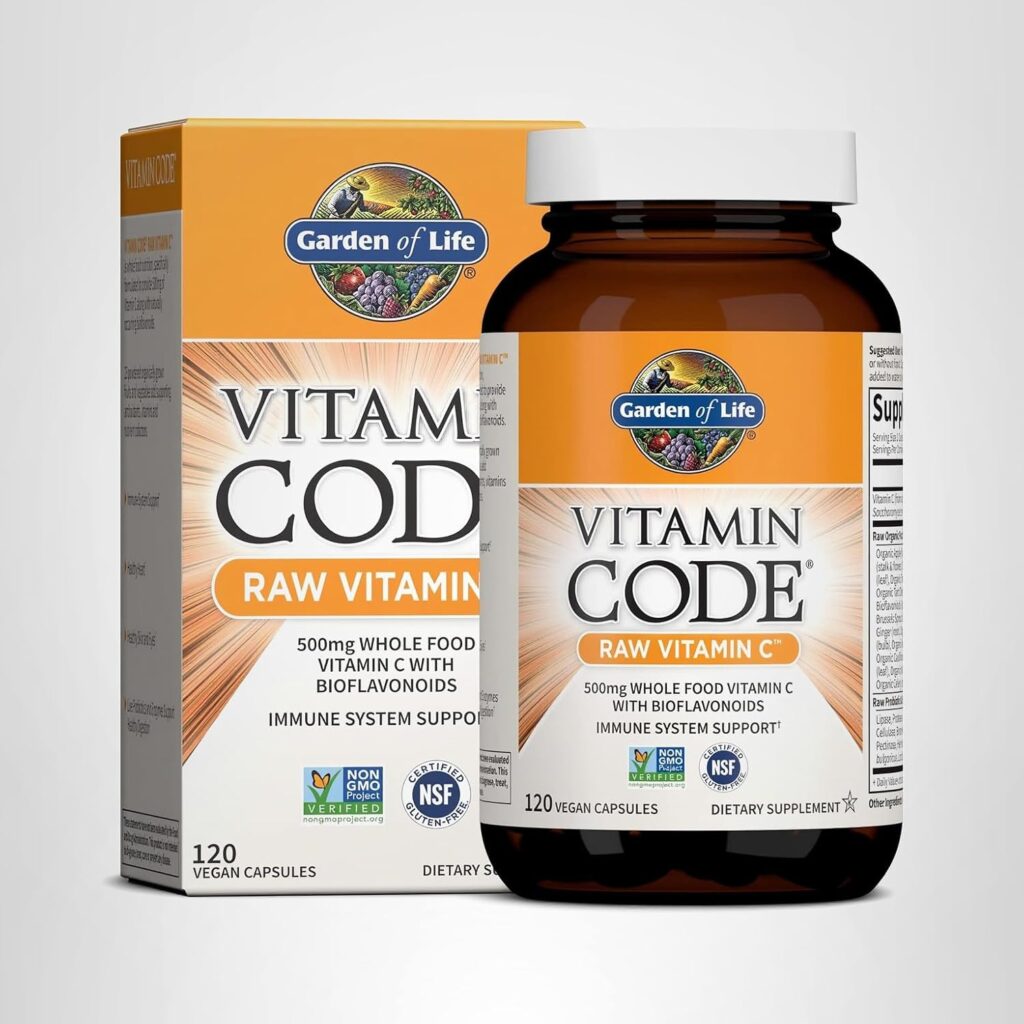
Garden of Life Vitamin Code Raw Vitamin C
Why trust it: Garden of Life’s raw vitamin C blend combines whole-food vitamin C with 23 organically grown fruits and vegetables, along with live probiotics and enzymes. This broad-spectrum approach is rooted in nutrient synergies found in food, not isolated chemistry, and offers immune, skin, heart, and digestive support in a clean, vegan, non-GMO formula. The inclusion of probiotics and digestive enzymes helps reinforce nutrient assimilation and gut wellness alongside vitamin C benefits.
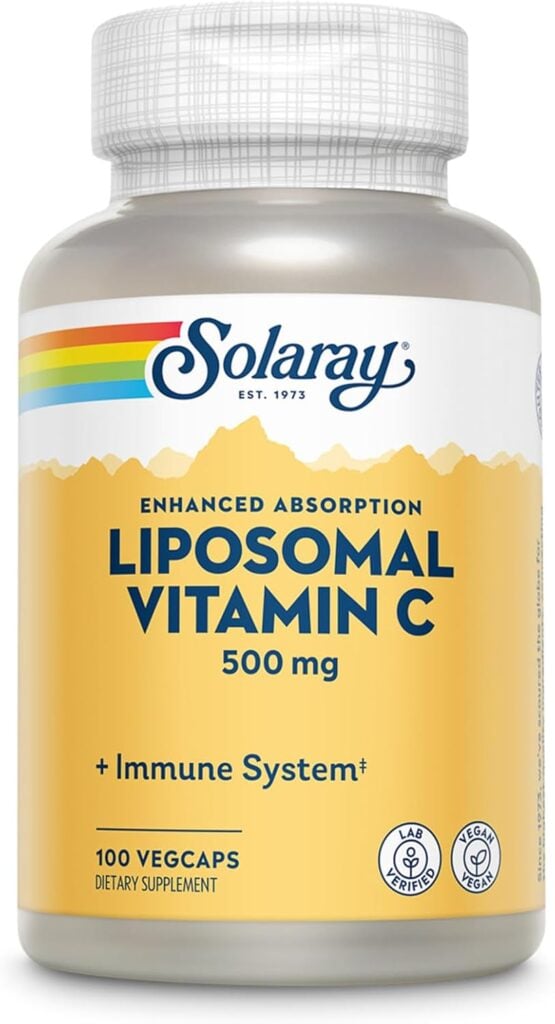
Solaray Liposomal Vitamin C
Why trust it: This liposomal vitamin C delivers 500 mg of vitamin C per capsule in a liposomal blend with fatty acids, which Solaray says helps make the nutrient more absorbable than standard forms, supporting immune function, collagen synthesis, and antioxidant activity. It’s vegan-friendly and made in a GMP-certified facility, with broad availability at natural grocers and clean wellness retailers.
What to know before you buy
Clinical comparisons often show similar bioavailability between traditional ascorbic acid and buffered forms, though liposomal delivery frequently demonstrates enhanced plasma levels in absorption studies.
As with all nutrients, balance and individualized context matter. The NIH’s Office of Dietary Supplements notes that adult women require 75 milligrams of vitamin C per day and adult men require 90 milligrams, with an upper daily intake limit of 2,000 milligrams considered safe for most adults in the absence of medical conditions.
Source:
Always consult a healthcare provider before beginning high-dose supplementation, particularly if you have underlying health issues. Excessive intake can have side effects, including gastrointestinal discomfort and, in rare cases, elevated oxalate levels that may affect kidney stone risk.
Related on Ethos: