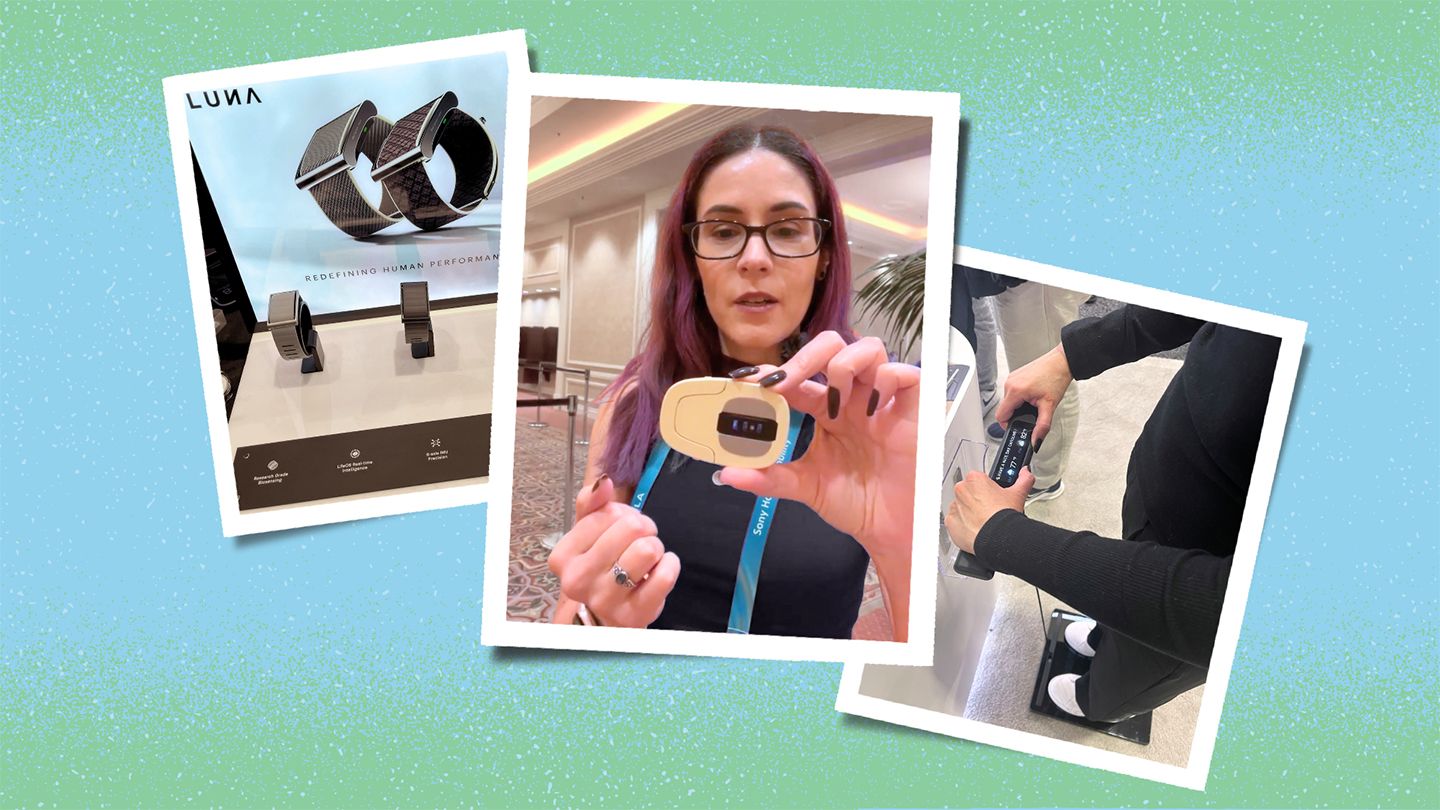
While basic scales and watches give some great health data, the latest biometric tools are designed to look much deeper. I saw several devices on the showroom floor that look beyond the surface, turning complex internal data into clear, actionable insights to help you stay ahead of your health.
Body Scan 2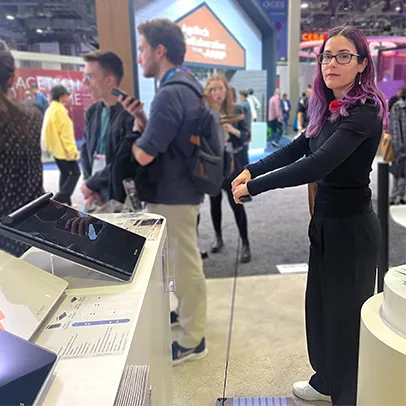 Withings, which has been making connected scales since 2009, announced an upgrade at CES 2026. The Body Scan 2 measures health factors beyond weight. The company claims it can detect and measure over 60 biomarkers that serve as indicators of health and aging, including high blood pressure and blood sugar regulation — a first for at-home devices, according to the brand.
To use the scanner, you step on the scale barefoot and hold the sensors on its handle for 90 seconds. The scale looks futuristic, with a sleek black glass base with eight embedded electrodes beneath, and retractable handlebars with four stainless steel electrodes.
Once it collects your data, Body Scan 2 uses Bluetooth or Wi-Fi to connect to the app, where it can be stored and reviewed. The idea is to provide a picture of your health over time and help you identify small changes, allowing you to address them before a larger health issue develops.
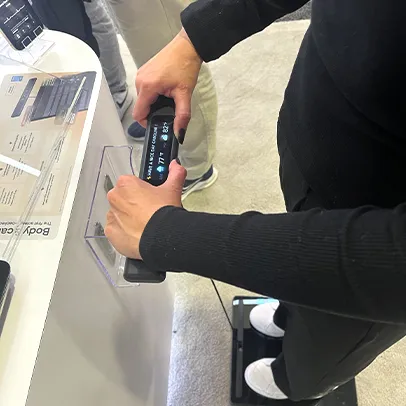
If the app detects warning signs of a potential chronic health issue, it will flag them and suggest lifestyle changes to help combat the issue (but we suggest speaking with your doctor before making major health changes).
I was able to test the scale on the showroom floor and appreciated its ease of use and its focus on a variety of health metrics, rather than just weight. Although I did question the accuracy of its readings and the safety of all that unique data. The company says Body Scan 2 is HIPAA- and GDPR-compliant and is pending FDA approval for certain metrics.
The scale is expected to hit the market in Q2 of 2026 and is priced at $599.95 in the United States.
Luna Band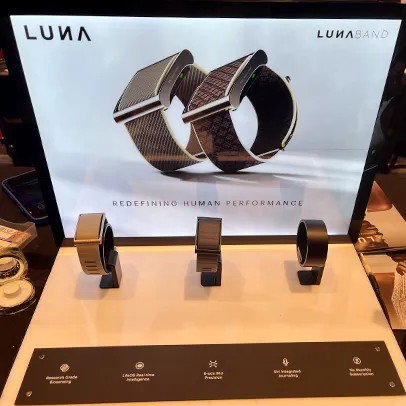
The Luna Band was the wearable that surprised me the most. It doesn’t have a screen; it uses voice control only. The wristband works through LifeOS, Luna’s adaptive AI engine, to integrate with Siri and utilize biomarker data from Apple Health, Google Fit, Clue, Kindbody, and other data-collecting apps. It also uses an optical sensor to track activity, stress, sleep, and other biometrics commonly collected by wearables.
Where other wearable devices prompt you to enter health-impacting data on a screen, Luna lets you add unique details about your day by talking to Siri. You can provide details about lifestyle activities or other factors that could impact the data Luna is collecting.
When I asked how it worked, an employee told Siri to tell Luna he had a cup of coffee at 7 p.m. He explained that Luna would log the information, and the algorithm would take it into account when reading the biometric data. It’s sort of like having a personal assistant to talk about your health.
There’s no subscription fee to use the device. Luna Band’s one-time fee is $149, and the company is expected to announce a purchase date soon.