The FSA has published new safety guidance to help consumers buy and use food supplements as demand increases during the January health kick.
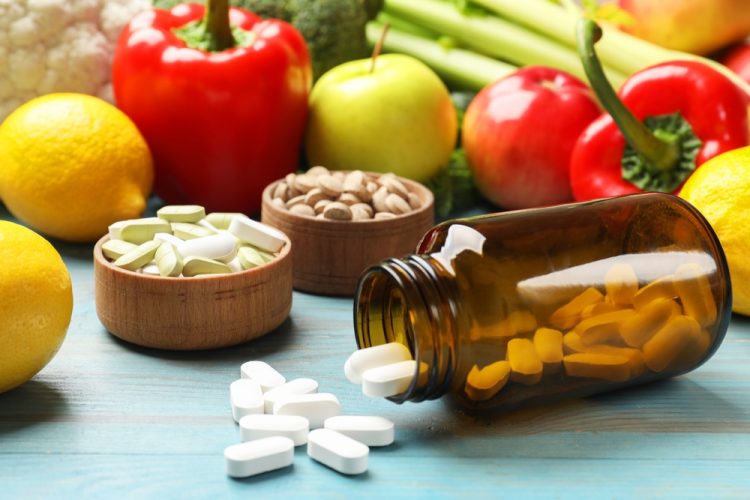
The Food Standards Agency (FSA) has launched new online guidance to help consumers buy and use food supplements safely, as New Year health resolutions drive increased demand across the UK.
The guidance targets millions of people who regularly take products such as vitamin D tablets, protein powders and herbal remedies, helping them make informed choices and avoid potential risks.
Steve Adie, Head of Standards Policy at the FSA, said:
January is often a time when people think about their health, and for some that includes considering taking food supplements. While food supplements can provide benefits, it’s important to use them safely.
Our guidance provides consumers with advice that will enable them to make informed choices about food supplements with confidence.”
What the guidance covers
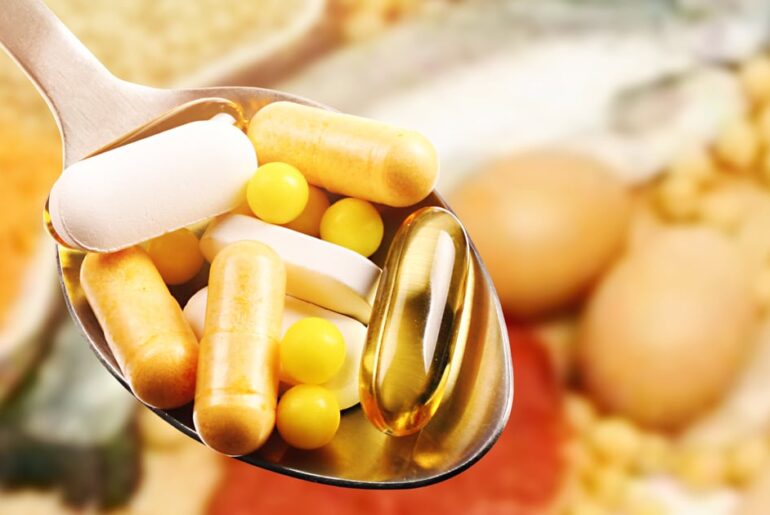
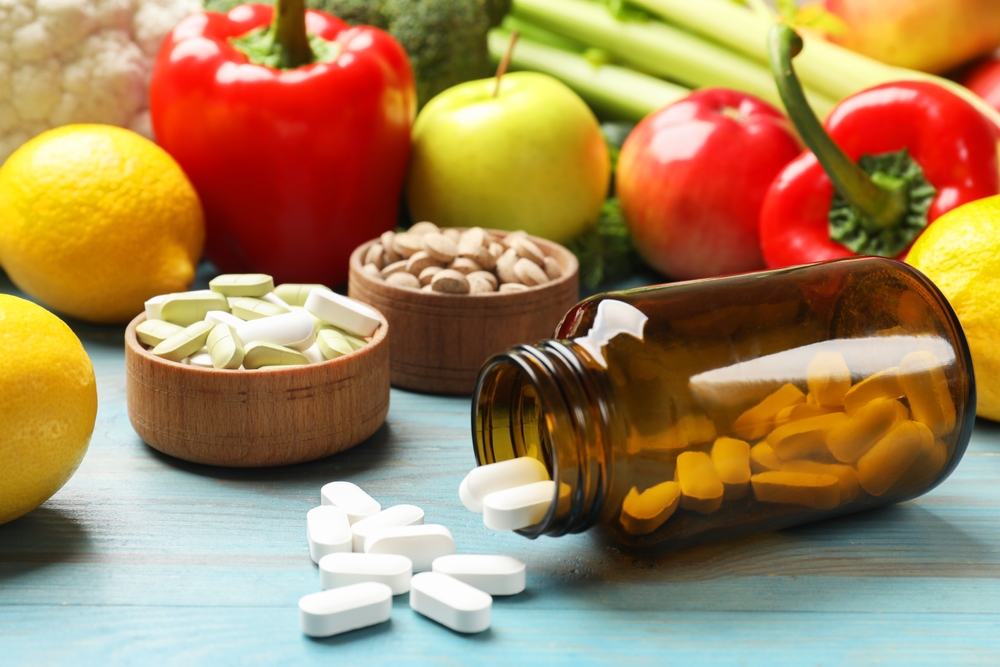
The new web page explains what food supplements are under UK legislation, defining them as concentrated sources of vitamins, minerals or other substances with a nutritional or physiological effect, sold in dose form such as pills, capsules, gummies or powders. The FSA makes clear that supplements are intended to top up nutrients rather than replace a normal diet.
It also outlines the different types of supplements on the market and provides practical advice on buying and using them safely, with a particular focus on dosage, labelling and product authenticity.
The FSA’s top tips for using food supplements safely include:
Checking the label carefully for dosage instructions and never exceeding the recommended amount
Checking safe intake levels on the NHS website and consulting a GP before taking higher-dose supplements, to confirm need and duration.
Speaking to a GP or pharmacist before taking supplements if pregnant, breastfeeding, managing a medical condition or taking prescription medicines
Being wary of unusually cheap online products, which may be counterfeit
Only buying supplements from reputable sellers and taking extra care when purchasing from online marketplaces
Stopping use immediately and seeking medical advice if feeling unwell after taking a supplement
The FSA says most people should get the nutrients they need from a healthy, balanced diet, but recommends some supplements in specific circumstances, including vitamin D during autumn and winter and folic acid before and during early pregnancy.
The agency warns that food supplements cannot replace a varied diet or make claims to prevent, treat or cure medical conditions, and urges consumers to report any safety or labelling concerns to local authorities.