Last week, the U.S. Department of Agriculture (USDA) and the Department of Health and Human Services (HHS) released the 2025-2030 Dietary Guidelines for Americans (DGAs). Updated every five years, the DGAs provide evidence-based recommendations to promote health and reduce chronic disease risk, and by law, USDA must use them to update school nutrition regulations.
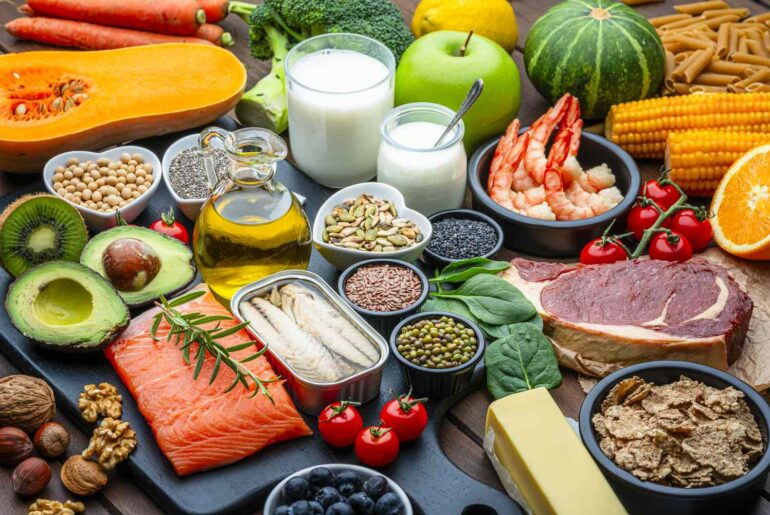
The new guidance marks a significant shift in federal nutrition policy, emphasizing whole, minimally processed foods, nutrient density, higher protein and full-fat dairy, and the elimination or reduction of added sugars and highly processed foods. The DGAs repeatedly note that most calories should come from foods that naturally provide essential nutrients, with limited to zero room for foods high in added sugars, refined carbohydrates, non-nutritive sweeteners, artificial flavors, dyes, preservatives, and sodium.
Now, USDA will move to update the school nutrition regulations to ensure they are aligned with the DGAs, but it is unclear how quickly this will happen. While school meals already align with many of the guidelines’ suggestions on whole grains and added sugar—especially as the most recent regulations went into effect this year—the new emphasis on reducing or eliminating highly processed foods will likely mean a big change for school meal programs.
The DGAs recommend drastically reducing the consumption of “highly processed foods” that contain:
Refined carbohydrates The DGAs explicitly call for significant reductions in the consumption of white bread, packaged breakfast products, flour tortillas, and crackers. Added sugars or non-nutritive sweeteners Excess sodium Unhealthy fats Chemical additives
In order to curb highly processed foods in school breakfast and lunch programs, school food authorities will need significantly more resources. AASA looks forward to working with USDA to ensure any new guidance or regulations are reasonable, achievable, and result in meals that children will eat.