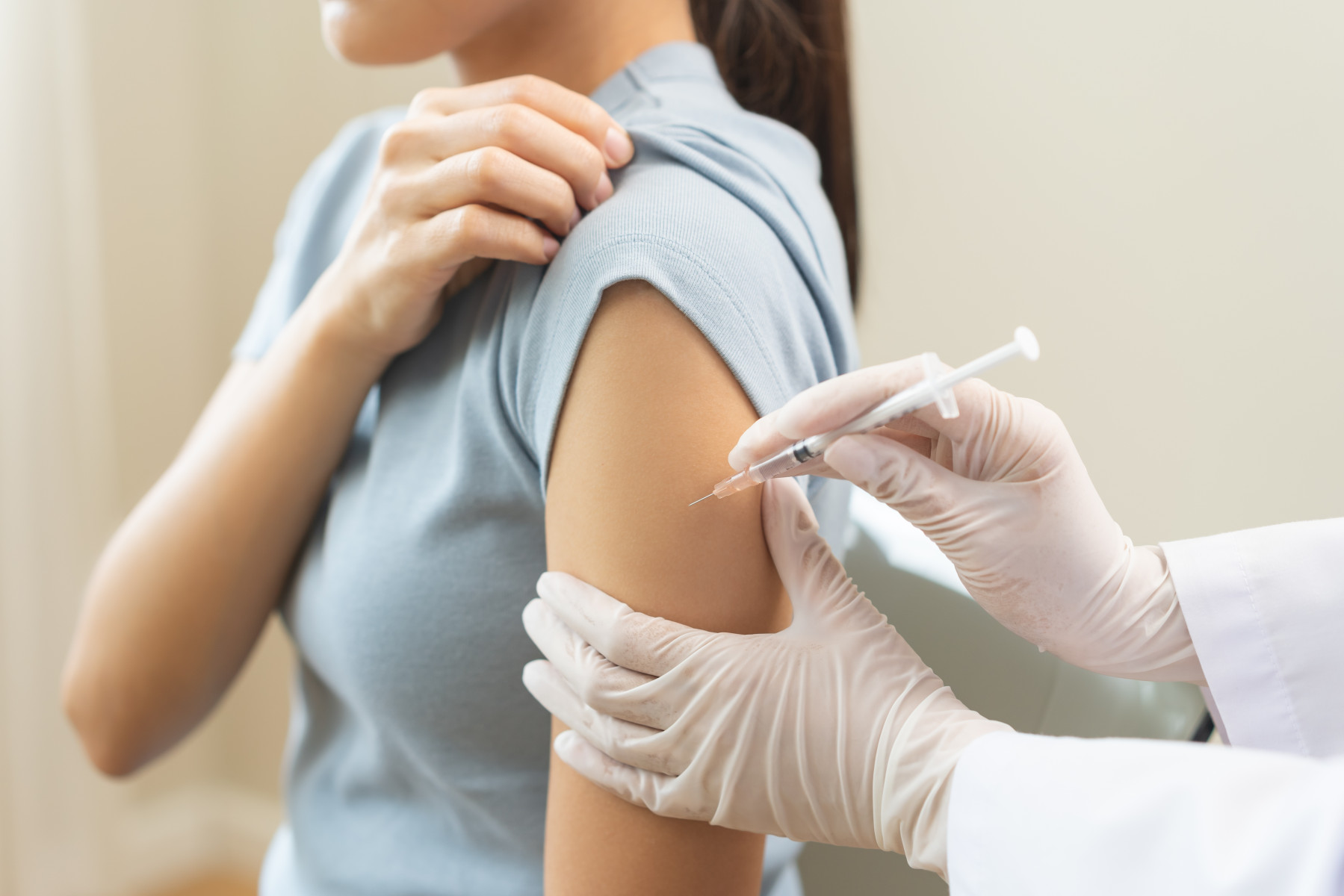
For many adults, especially those who grew up in an era when measles, chickenpox or the flu were simply “childhood illnesses,” it can feel natural to believe that getting sick is how the body builds strong immunity.
While infection does contribute to the immune “library,” modern vaccines offer a safer, more reliable way to add to that protection without the risks of serious illness, hospitalization or long-term complications.
As flu activity increases across the U.S. this winter, experts emphasize that vaccines remain one of the strongest tools for maintaining health and preserving natural immunity over a lifetime.
Vaccine decisions start with informed conversations
“Vaccination is an individual decision, but the impact of the vaccine protects both the individual and their family cohort, work cohort. If they’re in school, it can protect that community,” says Doug Kasper, MD, infectious disease specialist with OSF HealthCare. “We want people to be as educated as possible and make the best decision for themself. That’s really going to come down to a discussion with them and their medical provider.”
For older generations who remember “just getting the measles,” today’s medical guidance recognizes that while infection can create immunity, it also carries significant risks – and vaccines provide a much safer pathway to the same immune protection.
How flu vaccines strengthen natural immunity
“Flu vaccines, historically, never match up perfectly to all the influenza strains that circulate in the community. What we do know is that immunity is cumulative; it’s a library across a person’s life and it has all of their prior infections and vaccines. It builds up over time,” Dr. Kasper says.
He explains that vaccines support and expand your natural immune memory.
“Receiving a seasonal flu vaccine, while the protection it may provide in any year may be different; over time there are benefits to doing this activity, so that you have a robust variety of immunity. As the seasonal infections change, you may be protected from something that happened in the past.”
This means vaccines don’t replace natural immunity – they contribute to it, adding layers of defense that reduce the severity of illness and strengthen long-term protection.
Why vaccines remain a powerful community tool
Vaccines benefit individuals, but they also help stabilize the entire health system.
“When we talk about vaccination, we talk about it at a population level. We would like every individual to not get sick, but we also know that with hospitals, urgent cares and emergency departments, that we are trying to keep the system functional,” Dr. Kasper says. “We do that by getting as few people sick as possible, and vaccines are a very useful tool to help the individual help their community and help the medical system.”
A season of multiple circulating viruses
As families enter the stretch leading up to Christmas, flu activity is increasing on both coasts – often a preview of what will soon reach the Midwest.
COVID-19 continues to circulate year-round, RSV season is underway and Central Illinois is just beginning to see early influenza activity. Early surveillance suggests this year’s flu vaccine may not be a perfect match, but even imperfect vaccines help reduce severity, hospitalizations and complications. They also continue contributing to the “immune library” that protects people long-term.
‘;