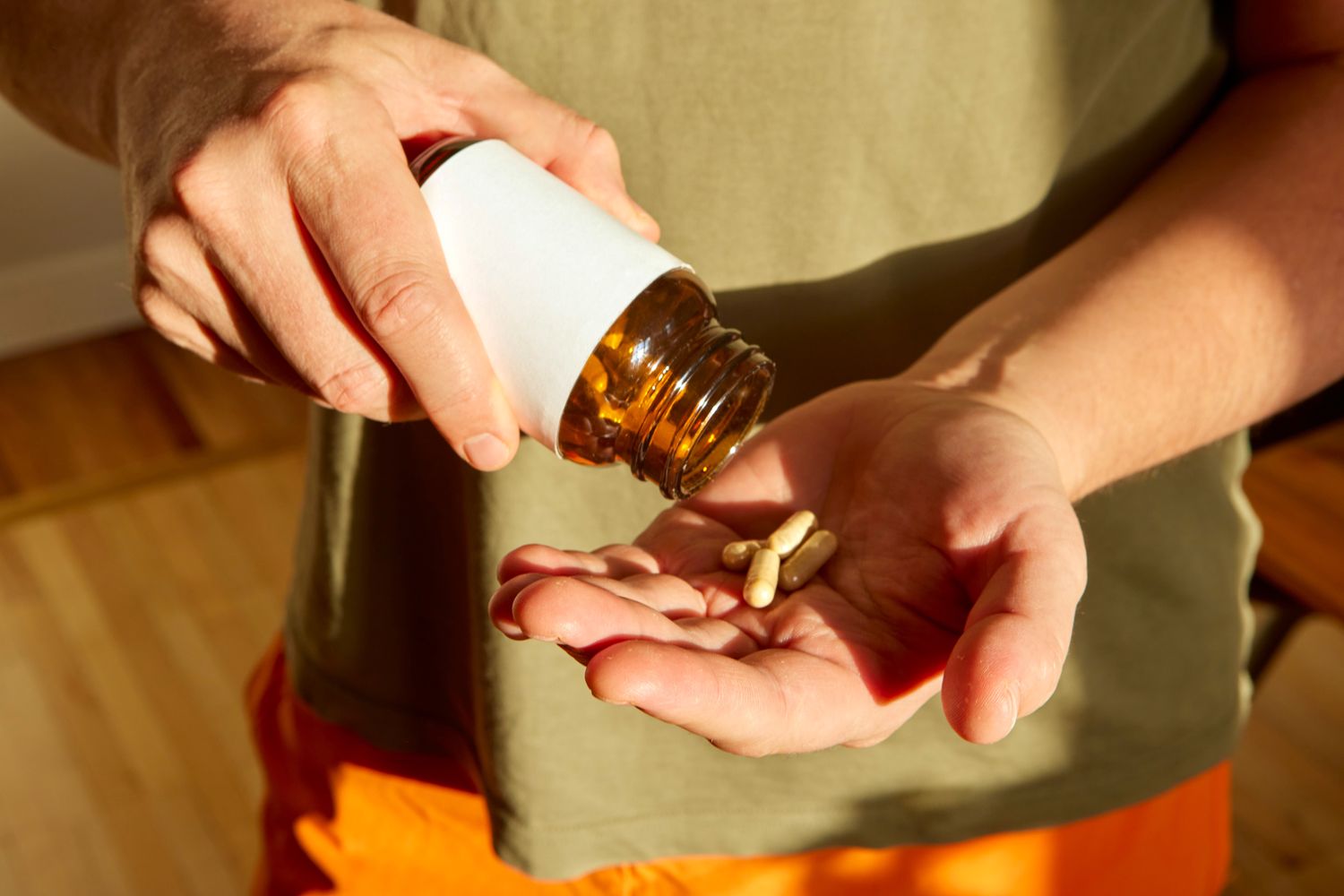
Vitamin C and D are common ingredients in multivitamins and supplements marketed for immune system support. Together, these vitamins offer a range of health benefits.
1. Your Immune System May Get a Boost
Vitamins C and D are crucial for a healthy immune system. Having low levels of either vitamin makes you more susceptible to illness.
These vitamins work well in tandem because they boost the body’s immune system by different mechanisms.
Vitamin C fights viral and bacterial infections, as well as redness and swelling (inflammation). It also helps regulate white blood cells that are involved in the immune system’s response to infection.
Vitamin D strengthens physical barriers in the body’s tissues, making it harder for germs to enter. It also prevents viruses from replicating, reduces inflammation, and maintains the balance of your immune system, ensuring it doesn’t mistakenly attack healthy cells in your body.
Taking vitamins C and D together could help curb the transmission of viruses like COVID-19 and prevent complications.
2. Your Bones May Get Stronger
Low levels of vitamins C and D are associated with low bone mineral density, brittle bones (osteoporosis), and an increased risk of bone fractures.
Taking vitamin C and D together increases bone mass by boosting levels of a protein called osteocalcin in your bones. These vitamins reduce the likelihood of bone fractures.
Vitamins C and D are believed to have a synergistic effect on bone health.
3. Your Wounds May Heal Faster
Vitamins C and D play a crucial role in wound healing.
Because they have different roles in the process, taking them together may help your skin heal more effectively.
Vitamin D helps the skin resist infections and aids in wound healing.
Vitamin C is a powerful antioxidant that reduces inflammation and helps the body produce the protein collagen, allowing new skin to form.
4. Your Digestive Health May Improve
Taking vitamin C and D can help improve your gut health and prevent harmful bacteria from entering your digestive tract.
A small study of 23 male athletes found that taking vitamins C and D, as well as turmeric, reduced gastrointestinal problems.
Because the intervention included turmeric, though, it’s unknown how much of the benefit was due to vitamin C or D specifically.
5. You May Have Better Cancer Outcomes
People with a specific type of acute myeloid leukemia (AML), a bone marrow cancer, have a better chance of survival if they take vitamins C and D.Taking vitamins C and D together also lowers the risk of serious side effects of cancer treatments, such as bleeding, inflammation, and infections, in people who have AML.More research is needed to know the effects of vitamins C and D on cancer; much of the evidence to date is mixed. Discuss these or any supplements with your oncologist before trying them.
Dietary Sources of Vitamin C and D
You can increase your levels of vitamins C and D through your diet or by taking dietary supplements.
Boost vitamin C levels by eating more citrus fruits and vegetables. 1/2 cup of raw red pepper or 3/4 cup of orange juice contains 100 mg of vitamin C.
Healthy adults require between 75 and 120 milligrams (mg) of vitamin C daily, depending on their gender and whether they are pregnant or breastfeeding. Smokers require an additional 35 mg daily.
Vitamin D is formed when ultraviolet rays from the sun contact your skin. Foods rich in vitamin D include salmon, tuna, and fish liver oil.
Healthy adults need 15 to 20 micrograms (mcg), or 600 to 800 International Units (IU), of vitamin D daily, depending on age.
Discuss taking these or any supplements with your healthcare provider for optimal safety.
Verywell Health uses only high-quality sources, including peer-reviewed studies, to support the facts within our articles. Read our editorial process to learn more about how we fact-check and keep our content accurate, reliable, and trustworthy.
National Institutes of Health. Dietary supplements for immune function and infectious disease.
Clayton DJ, Burbeary R, Parker C, et al. Combined turmeric, vitamin C, and vitamin D ready-to-drink supplements reduce upper respiratory illness symptoms and gastrointestinal discomfort in elite male football players. Nutrients. 2024;16(2):243. Published 2024 Jan 12. doi:10.3390/nu16020243
Bae M, Kim H. Mini-review on the roles of vitamin C, vitamin D, and selenium in the immune system against COVID-19. Molecules. 2020;25(22):5346. Published 2020 Nov 16. doi:10.3390/molecules25225346
He L, Chhantyal K, Chen Z, et al. The association of combined vitamin C and D deficiency with bone mineral density and vertebral fracture. J Orthop Surg Res. 2024;19(1):460. Published 2024 Aug 2. doi:10.1186/s13018-024-04953-z
Zhang R, Huang Q, Su G, et al. Association between multiple vitamins and bone mineral density: a cross-sectional and population-based study in the NHANES from 2005 to 2006. BMC Musculoskelet Disord. 2023;24(1):113. Published 2023 Feb 10. doi:10.1186/s12891-023-06202-6
Stanescu C, Chiscop I, Mihalache D, et al. The roles of micronutrition and nutraceuticals in enhancing wound healing and tissue regeneration: A systematic review. Molecules. 2025;30(17):3568. Published 2025 Aug 31. doi:10.3390/molecules30173568
Mouchel PL, Bérard E, Tavitian S, et al. Vitamin C and D supplementation in acute myeloid leukemia. Blood Adv. 2023;7(22):6886-6897. doi:10.1182/bloodadvances.2023010559
National Institutes of Health. Vitamin C.
National Institutes of Health. Vitamin D.

Nunn is a community pharmacist in Tennessee with 12 years of experience in medication counseling and immunization.
Thanks for your feedback!
What is your feedback?
Helpful
Report an Error
Other