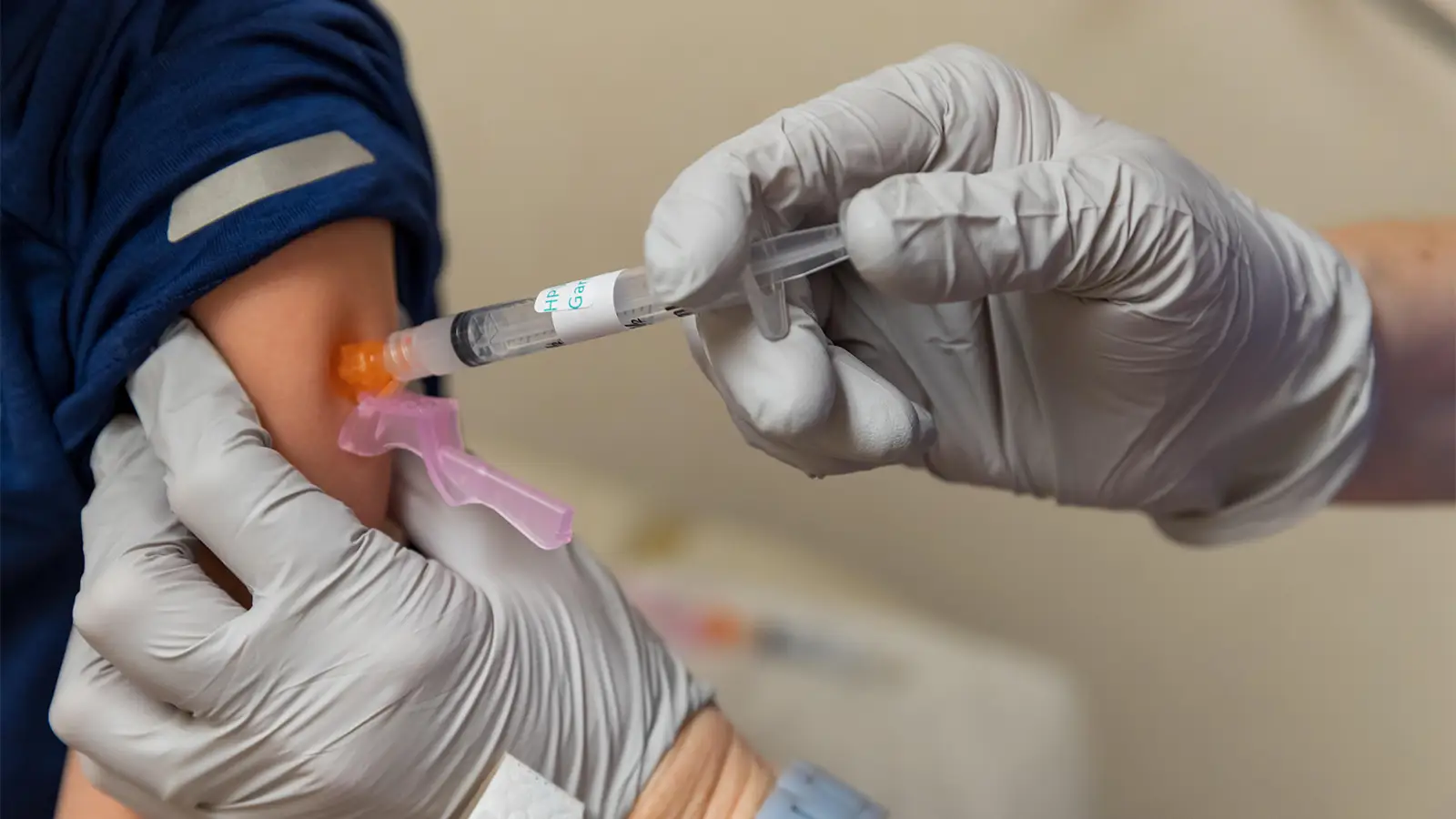
There is exactly one vaccine that prevents several cancers. It’s safe, effective, and puts the elimination of cervical cancer within reach. Even as the world reaches this medical moment, the U.S. faces a persistent challenge: human papillomavirus (HPV) vaccine uptake has remained steady but is insufficient to achieve herd immunity.
We should want broad community protection: a staggering 85% of people will get an HPV infection at some point in their lives. And with approximately 78% of 13- to 17-year-olds receiving at least one dose of the HPV vaccine, coverage lags significantly behind other routine childhood immunizations. HPV vaccination rates were on the rise until 2022, when initiation stagnated for the first time in about a decade. This stall is further complicated by geographic disparities, with rural areas showing dramatically lower rates compared to urban areas — for example, the percentage of adolescents up to date with HPV vaccination ranged from 39% in Mississippi to nearly 80% in Massachusetts in 2024. This gap, and the knowledge gap about the virus’ prevalence and impact, leaves individuals and the public vulnerable.
To prevent long-term consequences, we must close this gap. We can start by helping patients and their families face and tackle the facts, while ensuring that vaccine skepticism, disinformation, and stigma don’t take hold.
That means clarifying that men get HPV, too. We often discuss HPV in the context of causing cervical cancer, but men are reservoirs for the virus: worldwide, nearly one in three men over 15 years old are infected with at least one type of genital HPV, and one in five are carriers of one or more high-risk types of HPV. In spite of how common HPV is, just one in three adults knows the virus causes various types of cancer. That happens, in part, because most people clear the virus without lasting health effects and never know they’ve had it. Yet, many do not. HPV can lead to genital warts, precancerous lesions, or cancers — cervical, vaginal, vulvar, anal, penile, and oropharyngeal (head and neck).
We also have an opportunity to discuss risk alongside a remarkable solution. The HPV vaccine has a 97% efficacy rate in preventing cervical cancer and the cell changes that can lead to cancer, and an almost 100% efficacy rate in preventing genital warts in men and women. It also controls new HPV infections. The vaccine’s two-dose regimen also may be just as effective with a single dose, as acknowledged in the updated CDC vaccine schedule.
It’s a laudable goal to aim for herd immunity, but there are some sensitive conversations to be had for the U.S. to get there. People are typically exposed to HPV through sex. For families uncomfortable with the fact that their children will someday be sexual beings, it can add a challenging layer of vaccine hesitancy.
In my practice, I explain to parents that the HPV vaccine is most effective when given before a sexual debut. Physicians can give the vaccine to patients as young as 9 years old, or to girls and boys at their routine vaccination at 11 or 12; but again, given that HPV is often sexually transmitted, it can be a more sensitive topic than discussing general vaccine side effects, adverse reactions, efficacy, and safety.
We work hard to have these conversations thoughtfully because not every background or parenting style encourages openness in discussing sex. But we can acknowledge these differences, including cultural differences, and help families focus on keeping their children healthy into adulthood and understanding the collective benefit of vaccination for public health. Carefully, we help families understand that giving a vaccine does not sexualize children or encourage sex at a young age.
It’s also paramount to dispel disinformation: the HPV vaccine does not cause infertility or replace routine Pap smears. It doesn’t expose patients to HPV because it is a protein subunit vaccine containing proteins from the virus — not the entire virus itself. It can protect people who already have been infected with HPV from certain strains and can be given to patients, male and female, up to age 45 (in three doses for older or immunocompromised patients).
It takes time to fit a personalized approach into an appointment without infusing the conversation with fear, but it’s on us, as physicians, to find that time. We may need an extra 5 minutes to address a complex, sometimes sensitive topic. But to encourage use of the HPV vaccine and achieve meaningful protection across communities, we must make time to give families tools to make safe, informed decisions.
Lauren Scanlon, MD, is a gynecological oncologist at Northwell Health and serves as an assistant professor at the Donald and Barbara Zucker School of Medicine at Hofstra/Northwell.