The newly released Dietary Guidelines for Americans place a stronger focus on protein than previous editions. The new guidance recommends consuming 1.2 to 1.6 grams of protein per kilogram of body weight per day, about double from the prior recommended amount.
To better understand what these recommendations mean for everyday eating, we spoke with Grace A. Derocha, MBA, RD, CDCES, a Detroit-based registered dietitian and spokesperson for the Academy of Nutrition and Dietetics.
*This interview has been edited and condensed for clarity.
Q: The new Dietary Guidelines recommend having protein at every meal, preferably with “high-quality, nutrient-dense” animal and plant sources. Do we really need protein at every meal, and what are your thoughts on this recommendation?
Derocha: When it comes to protein, if you’re not getting enough, you should try to consume more. However, there’s really no need to exceed the amount that your body needs.
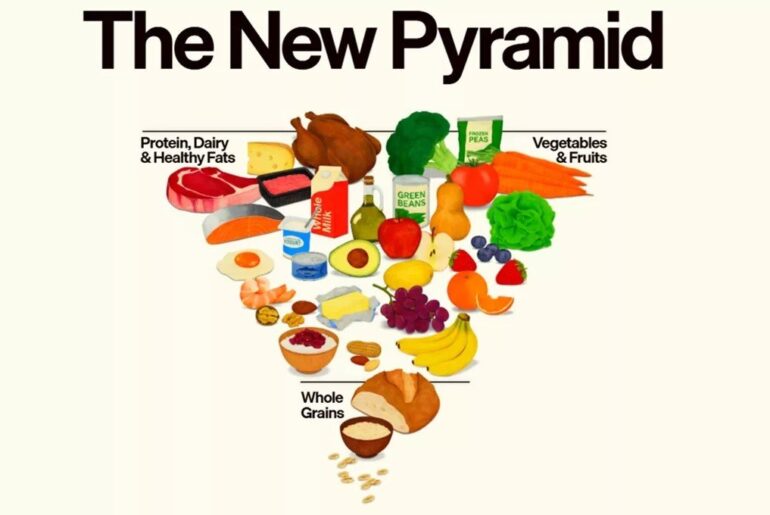
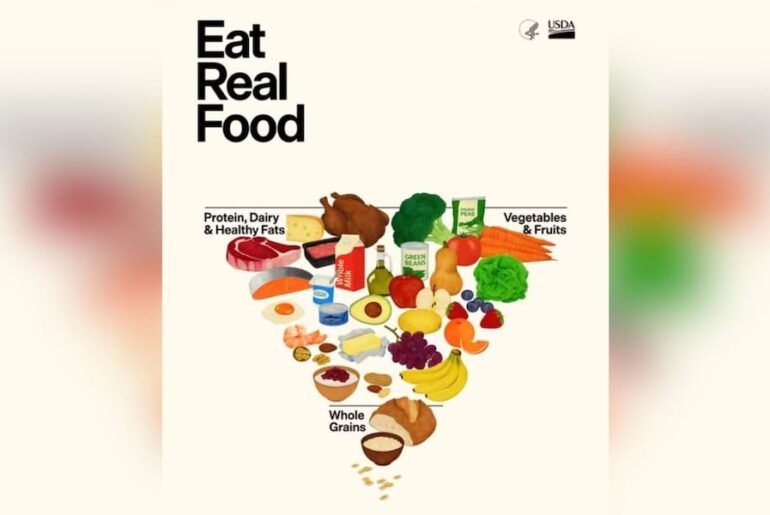
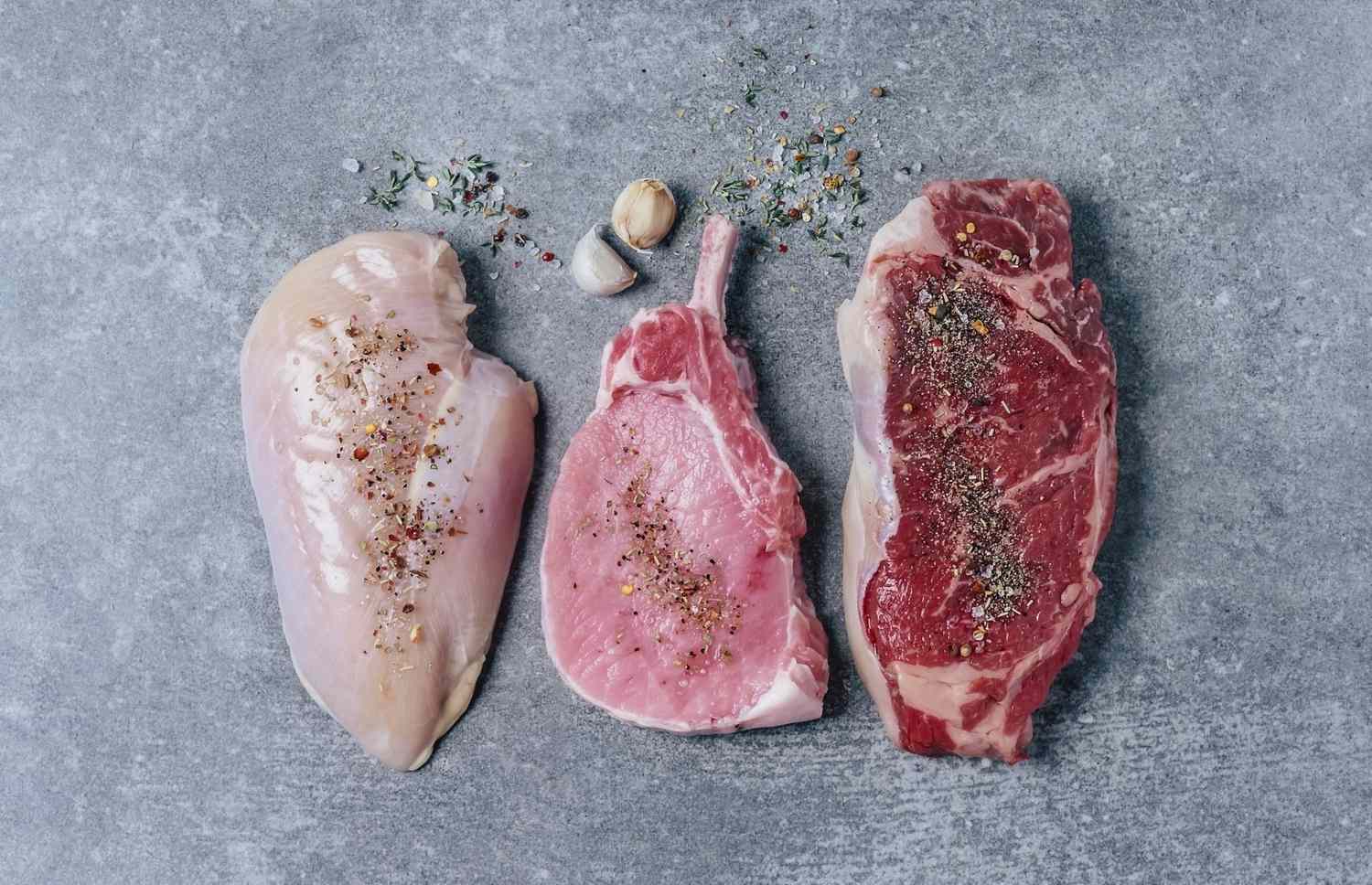
Try to get protein from a lot of different sources, like fish, poultry, meat, eggs, and dairy, which are highlighted at the top of the new inverted pyramid. You should also get protein from beans, nuts, seeds, peas, and lentils.
It is important to have protein at every meal because it is not as well absorbed if you have it all at once. While protein is an important part of our meals, having it on your plate does not mean you should exclude other nutritious foods.
The amount of portein you actually need depends on many factors, like your age, lifestyle, chronic conditions, and family history. Work with a registered dietitian or healthcare provider to determine the right protein targets for your individual needs and goals.
Q: The emphasis on protein also raises questions about specific foods highlighted in the new guidance. Can you talk more that?
Derocha: One of the concerns about the new pyramid is the emphasis on butter, beef tallow, red meat, and full-fat dairy. That seems inconsistent with the guideline’s recommendation to limit saturated fats to 10% of your calories. I think this may lead to confusion for some people.
Evidence consistently shows that replacing saturated fats with unsaturated fats, especially polyunsaturated fats from plant sources, can reduce cholesterol and cardiovascular disease.
Q: How can people follow a healthy diet that’s realistic and sustainable?
Derocha: Although some of the new recommendations are confusing, some of the core principles align with long-standing nutrition science: eating more fruits and vegetables, incorporating whole grains, emphasizing fiber and microbiome health, limiting ultraprocessed foods, watching foods that are high in sugar and sodium, prioritizing healthier fats, and limiting saturated fats to no more than of no more than 10% of total calories.
A lot of times it is just harder to create consistent healthy habits rather than knowing what we should eat. We know the average American does not get enough produce or fiber. There are definitely things we know that we’re not getting enough of that we could incorporate into a healthy diet—it doesn’t necessarily have to include red meat.
I want people to start to feel empowered in their process, instead of feeling like they’re doing something bad or not eating the “perfect” diet.
I recommend people spend time thinking about what foods they like, what foods are available to them, and what the science says. I bought some meat the other day, and it was expensive. So keep those factors in check and look at a few different science and evidence-based resources to find the best balance for what you enjoy eating, what culturally and traditionally makes sense to you, and what’s affordable, accessible, and approachable as you try to develop a nutritious meal plan.
Verywell Health uses only high-quality sources, including peer-reviewed studies, to support the facts within our articles. Read our editorial process to learn more about how we fact-check and keep our content accurate, reliable, and trustworthy.
Health and Human Services and the U.S. Department of Agriculture. Dietary Guidelines For Americans 2025-2030.

Brown is a nutrition writer who received her Didactic Program in Dietetics certification from the University of Tennessee at Knoxville. Previously, she worked as a nutrition educator and culinary instructor in New York City.
Thanks for your feedback!
What is your feedback?
Helpful
Report an Error
Other