A major UK study is challenging long-standing beliefs about fish oil and heart health. Contrary to popular assumptions, this widely used supplement may raise the risk of stroke for certain people. What hidden risks come with this oil, and how can you best protect your cardiovascular system?
Once hailed as a go-to for heart support, fish oil is now under scientific scrutiny. In research published in BMJ Medicine, British investigators tracked more than 415,000 adults for 12 years and found results that are surprising — and potentially concerning — for regular users of this supplement.
The unexpected effects of fish oil on heart health
Instead of offering blanket protection, fish oil may pose downsides for otherwise healthy adults. Regular users saw a 13% increase in atrial fibrillation risk, and those without prior heart disease showed a 5% uptick in stroke risk. That’s enough to question routine use in the general population.
It also helps explain why leading cardiologists urge caution. As Dr. Andrew Freeman notes, over-the-counter fish oil is rarely recommended and doesn’t appear in professional medical guidelines — a reminder to weigh benefits and risks rather than assuming a free pass for cholesterol or heart prevention.
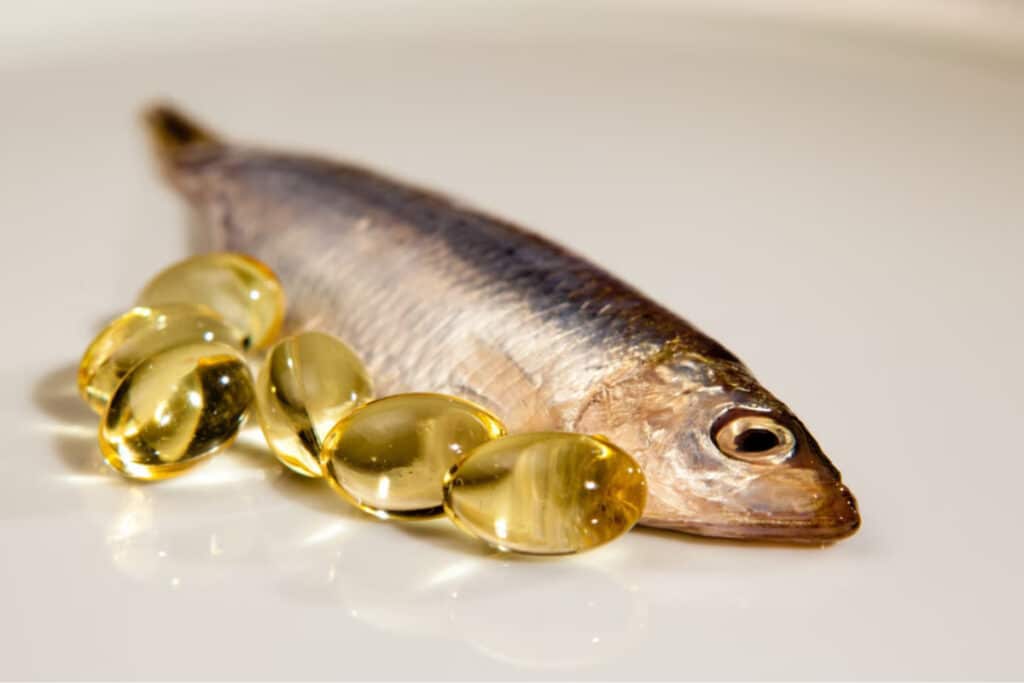
There is an increased risk of cardiovascular disease when consuming fish oil in the form of a dietary supplement. © JanIngeskogheim, iStock
Understanding the nuances of cardiovascular health
“Cardiovascular disease” covers a spectrum — heart attacks, heart failure, hypertension, and strokes among the most common. A stroke is a medical emergency that demands immediate treatment, so prevention truly matters. That’s why understanding what supplements can and can’t do is essential.
Paradoxically, the study suggests a different picture for people who already have cardiovascular disease: in that group, fish oil was linked to a 15% lower risk of heart attack and a 9% reduction in mortality. The mixed outcomes show just how complex cardiovascular care is — and why decisions should be personalized.
Healthy alternatives and a personalized approach
Given the potential downsides of supplements, experts recommend getting omega-3s from food first. Sardines, wild salmon, chia and flax seeds, and walnuts provide these fats within a balanced eating pattern — a strategy that supports heart health without overreliance on pills.
Nutrition should prioritize whole foods. Taking supplements without confirming a deficiency is generally discouraged, and any new regimen deserves a conversation with your clinician — especially if you’re on statins, have existing conditions, or take multiple medications.
Toward effective prevention of cardiovascular diseases
There’s no miracle shortcut to preventing cardiovascular disease. The strongest defense remains the basics: a varied, balanced diet, regular physical activity, and appropriate medical follow-up tailored to your risk profile. In that context, supplements are tools — not cures.
Ultimately, this UK study is a reminder to approach supplementation with nuance. Protecting long-term health means staying evidence-based, cautious, and personalised in how we manage risk and choose interventions.