The state Department of Health and the state Department of Human Services are strengthening coordination between two major food assistance programs in an effort to reach more low- income families with nutrition and health support.
Under a new referral process, the state’s Supplemental Nutrition Assistance Program, or SNAP, will now share monthly referrals with the Special Supplemental Nutrition Program for Women, Infants and Children, commonly known as WIC. The change is designed to identify households that are likely eligible for WIC but not currently enrolled and to simplify the process of connecting them with services.
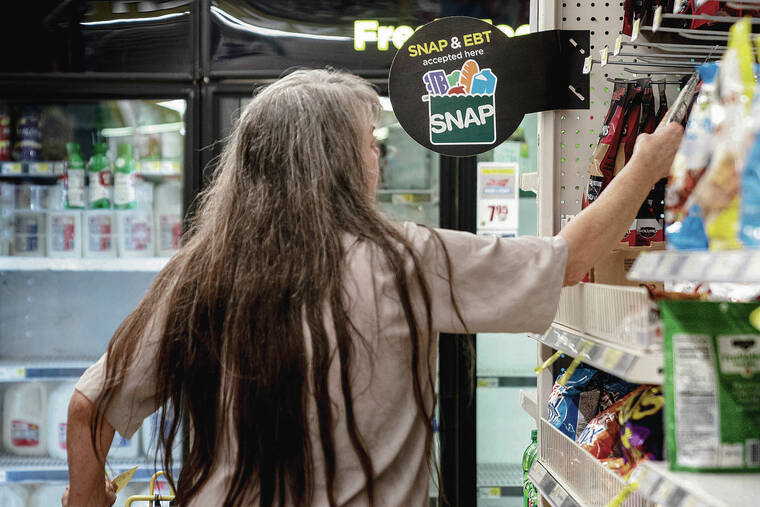
SNAP provides monthly food benefits to low-income individuals and families through an Electronic Benefit Transfer card that can be used at participating grocery stores statewide. WIC serves pregnant and postpartum individuals, infants and children under age 5 who are at nutritional risk, offering a package of healthy foods along with nutrition education, breastfeeding support and referrals to health and social services.
“When families have access to nutritious food, it supports not just physical health, but stability, dignity and opportunity,” DHS Director Ryan Yamane said. “By strengthening the connection between SNAP and WIC, we are making it easier for families to receive the full range of support available to them during some of life’s most important stages.”
State officials said many households receiving SNAP benefits already meet WIC income eligibility requirements. Through the new system, SNAP will send referrals to WIC each month, and WIC staff will typically reach out within a few business days by phone, text or email to offer an appointment. Appointments can be completed by phone or in person.
Research shows that participation in WIC is associated with improved pregnancy outcomes, reduced rates of premature birth and infant mortality, healthier child development and lower long-term health care costs, according to health officials. WIC food benefits include fruits and vegetables, milk, cheese, yogurt, eggs, whole grains and infant foods tailored to participants’ nutritional needs.
“Our goal is to meet families where they are and make the process as welcoming and simple as possible,” said Melanie Murakami, chief of the DOH WIC Services Branch. “WIC is about more than food. It is about supporting healthy pregnancies, healthy keiki and confident caregivers with practical tools and trusted guidance.”
Eligibility for WIC is not based on citizenship status. Hawaii residents who are pregnant, postpartum or breastfeeding, or who have a child under age 5, may qualify if they meet income guidelines and are determined to be at nutritional risk by a health professional. Proof of pregnancy is not required to apply.
State officials emphasized that participation in WIC is voluntary and free. Families who are contacted through the referral process can decline services or choose to enroll at a later time.
The expanded coordination comes as Hawaii continues to face high food costs and ongoing concerns about food insecurity, particularly among families with young children. Officials said the goal of the effort is to reduce barriers to enrollment and ensure eligible households receive the full range of nutrition and health support available to them.
To learn more about the SNAP and WIC programs, including eligibility, visit snapandwic.hawaii.gov.