The American Society for Nutrition (ASN) supports the overall eating pattern in the newly released 2025–2030 Dietary Guidelines for Americans (DGAs), which emphasize minimally processed, nutrient-dense foods and limits on added sugar, sodium, and saturated fat.
ASN warns that changes to the long-standing scientific review process behind the guidelines risk undermining public trust in nutrition science and creating confusion about dietary advice.
The organization is calling for greater transparency, clearer messaging, and increased federal investment in nutrition research to strengthen future dietary guidance.
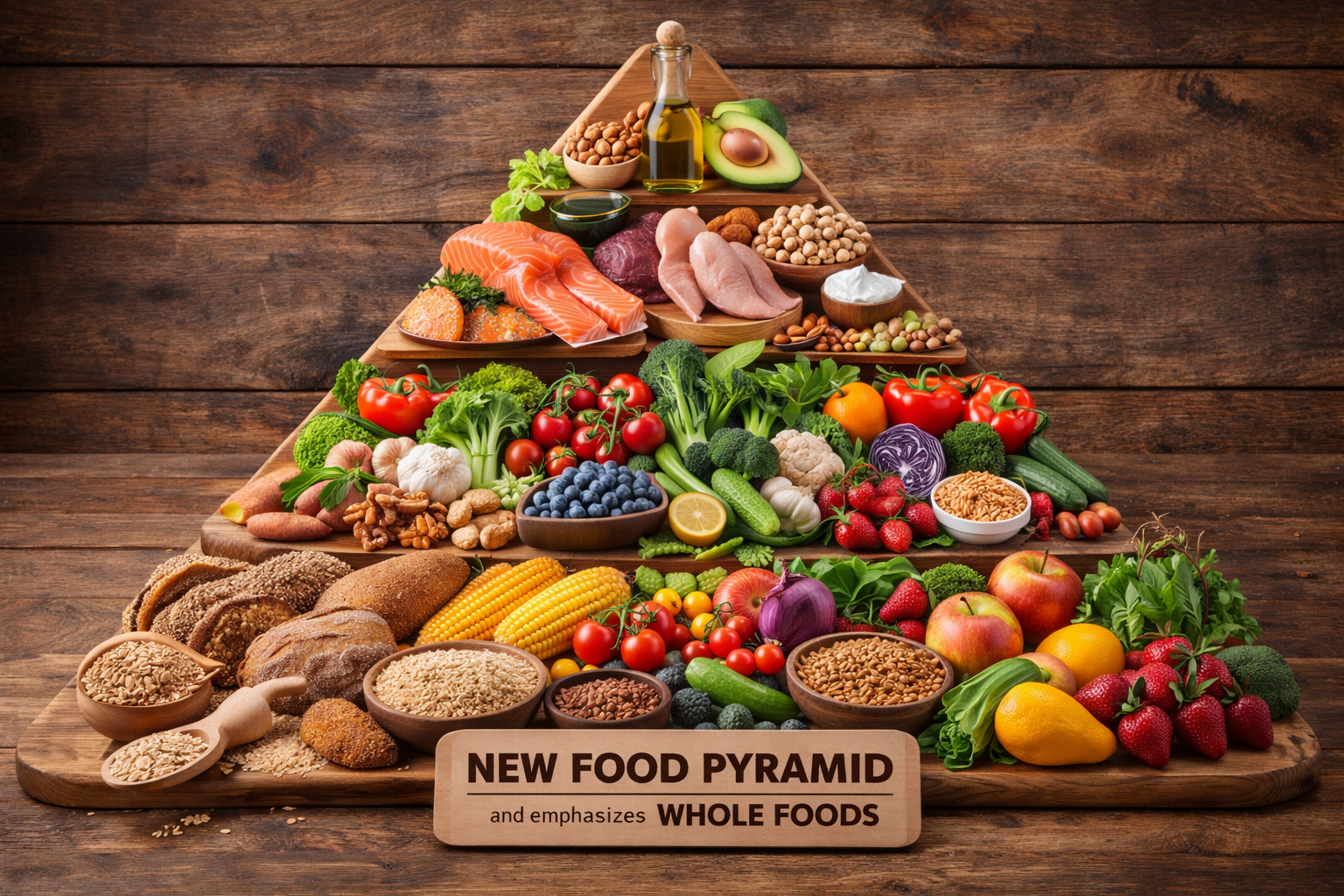
The U.S. Department of Health and Human Services is shaking up the food industry – most recently reshuffling the food pyramid, putting meat and saturated fat at the top.
The American Society for Nutrition is offering qualified support for the newly released 2025–2030 Dietary Guidelines for Americans, applauding their focus on whole, minimally processed foods. But the organization is raising serious concerns about how the guidelines were developed.
In a statement responding to the new guidelines, ASN said it agrees with the broad dietary pattern promoted by federal health officials—one that prioritizes nutrient-dense foods and limits added sugars, sodium, and saturated fats. Such approaches, the organization noted, are strongly linked to improved long-term health outcomes, particularly when they reduce reliance on highly processed foods and sugar-sweetened beverages.
A change in process
At the same time, ASN expressed alarm over what it described as a major departure from the established, science-based process traditionally used to develop the Dietary Guidelines. Instead of relying primarily on the Scientific Report of the 2025 Dietary Guidelines Advisory Committee (DGAC), the federal government introduced a separate document, the Scientific Foundation for the Dietary Guidelines for Americans.
According to ASN, this shift raises questions about transparency and rigor. The organization said there is little clarity about the methods, objectives, or timelines used to produce the new scientific foundation report, and warned that the approach diverges from the National Academies of Sciences–recommended standards designed to build public trust.
“For decades, the DGAC’s scientific report has served as the backbone of the Dietary Guidelines,” ASN said.
That report is produced by an independent panel of experts who conduct a systematic and transparent review of the evidence. ASN strongly endorsed the work of the 2025 DGAC, which included many of its members and other nutrition scientists who volunteered significant time to evaluate research and develop evidence-based recommendations.
Possible confusion
While ASN also acknowledged and respected the contributions of ASN members who served as authors of the new scientific foundation report, it cautioned that introducing parallel reviews risks confusing both policymakers and the public.
That confusion, ASN said, is already evident in some of the final guidance. The DGAC’s scientific review found strong evidence that reducing saturated fat intake lowers cardiovascular disease risk.
Although the 2025–2030 DGAs retain the long-standing recommendation to limit saturated fat to no more than 10% of daily calories, ASN noted that the guidelines also appear to encourage greater consumption of foods such as butter and beef tallow, which are high in saturated fat.
Such mixed messaging, ASN warned, could make it harder for consumers to interpret and follow the guidelines in ways that support long-term health.
Beyond scientific process issues, ASN emphasized that dietary guidance must be practical and equitable to improve public health. Clear recommendations, the group said, must be paired with policies and food environments that make healthy choices accessible and affordable for all Americans.