Makeup tutorials often show influencers swiping on mascara in seconds, eyes locked on their reflections. I do it differently—I skip the mirror entirely.
So why do I do this?
It started with sibling logistics. In high school, my older sister had mirror priority, which meant I often had to wait my turn. One day, out of impatience, I sat at the kitchen table and applied my mascara without a mirror. I expected disaster, but it worked. And then it kept working.
Over time, I realized applying mascara by feel actually gave me more control. Instead of relying on a reversed image, I used the tactile feedback from my lashes to guide my movements. That sense of resistance between brush and lash told me how much pressure to use and where to go next.
Plus, this may just be me, but I was better coordinated, and my hands seemed to know what to do. My attention simply stayed on the feel and sometimes on the brush, not on how I looked with every sweep.
Of course, I’m not claiming this is a universal technique for mascara application. For me, trusting my instincts works better than watching my reflection when it comes to lashes. For the record, I apply all other makeup normally.
How I Apply Mascara Without a Mirror
1. Detect the product amount
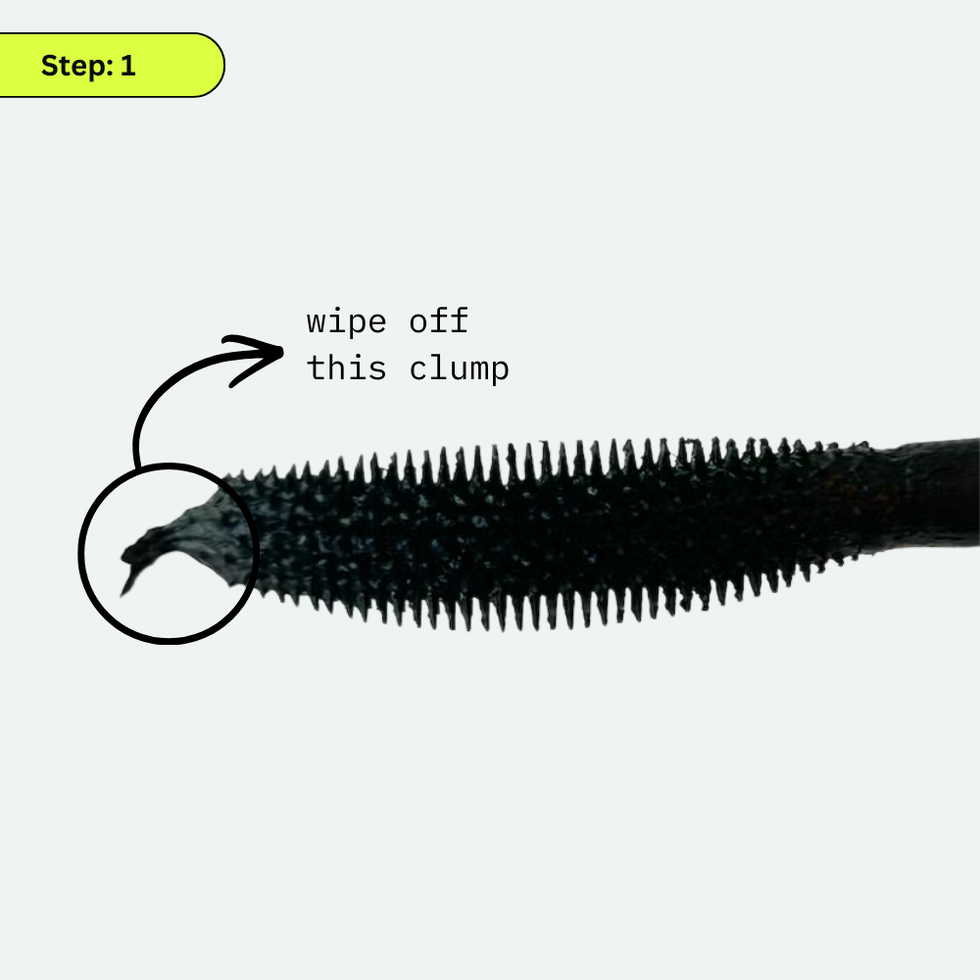
Expert note: The tip never touches the wiper inside the tube, so it always holds more product.
Before I begin, I wipe off any clumps from the mascara wand, especially at the tip. That part doesn’t pass through the wiper inside the tube (the component that creates resistance—and that familiar sound—when you pull the brush out), so it’s more likely to deposit too much product at once.
2. Steady your hand
I usually anchor my elbow on a table, though sometimes I rest my pinkie against my cheek, depending on the length of the mascara wand. I keep my wrist relaxed and my grip gentle, using slow, controlled, even strokes. I’ve noticed that my outer lashes often look more defined this way, though they’re also the trickiest to master.
3. Guide the brush through the lashes
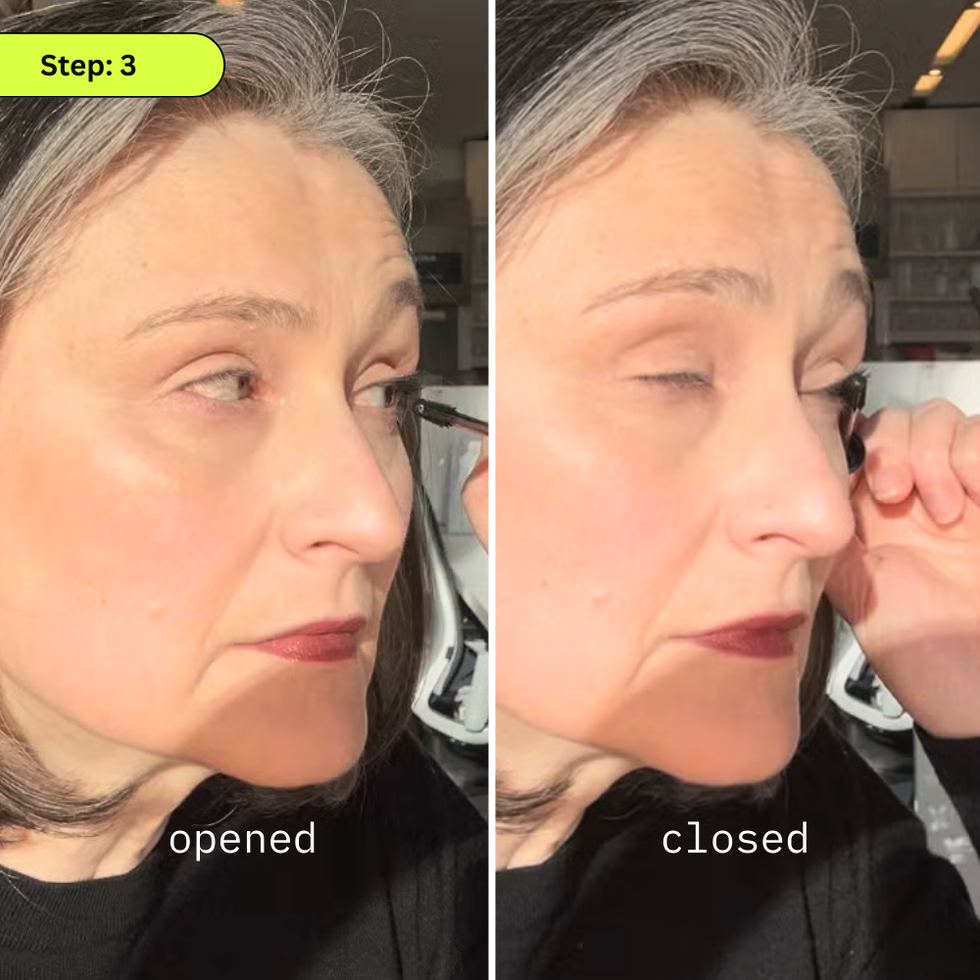
I slowly open and close both eyes during application while working on one eye only. For a very precise one, when I want to build my lashes, I tend to close one eye while applying mascara to the other—almost giving the impression that I’m peering through a keyhole, and watch the brush closely. This makes it easier to angle the wand and better gauge pressure. I learned over time that I apply slightly more pressure to my inner lashes than elsewhere (they are shorter and harder to lift and catch), so I rely on their resistance to the bristles as I move and rotate the brush to fully coat them.
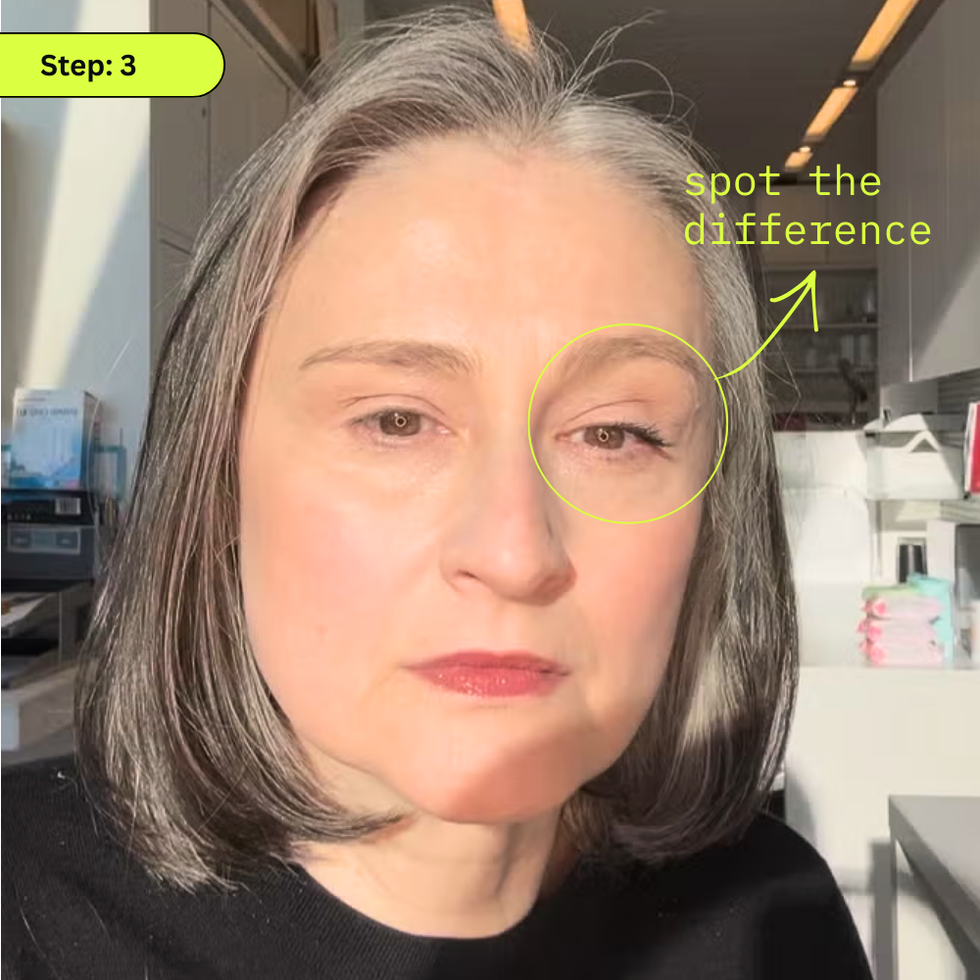
4. Switch hands
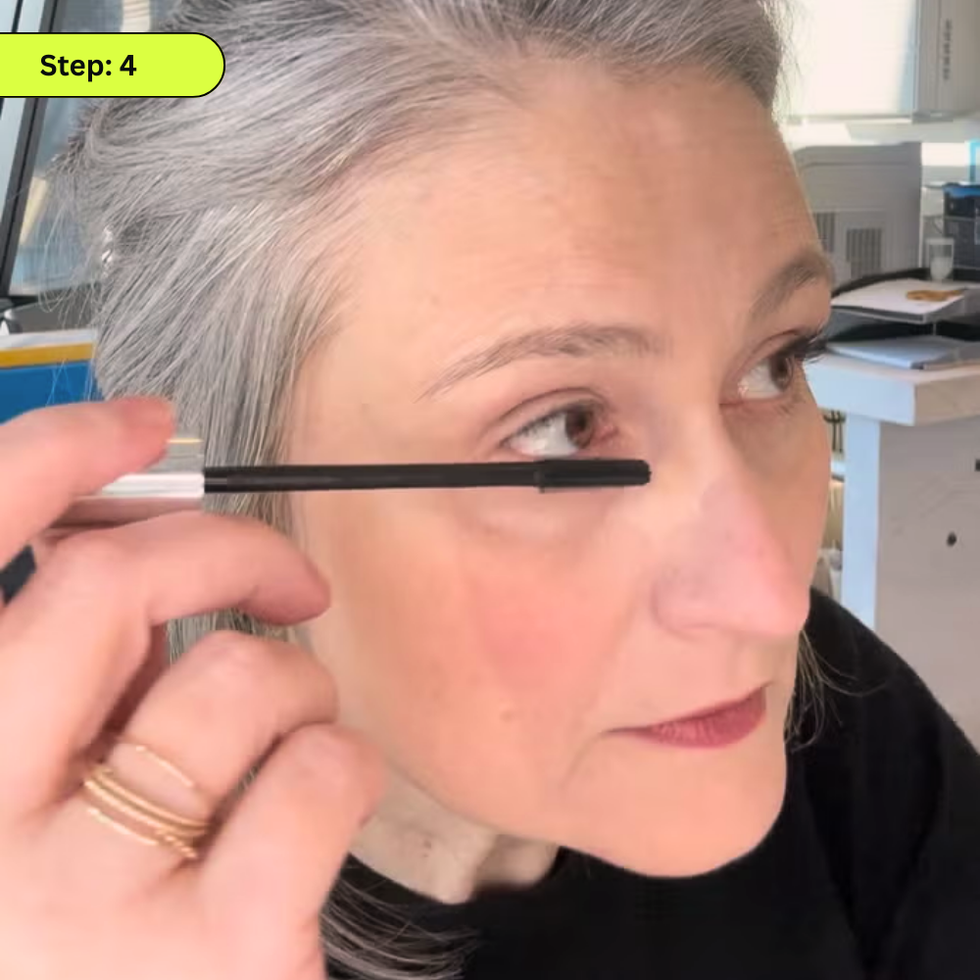
I use my right hand for my right eye and my left hand for my left eye. Reaching across my nose or twisting my hand into an awkward position never gives me the same control. When I apply mascara while looking in a mirror, I’m more likely to blink, tense my eyes, and rush the motion of pulling the wand through my lashes.
5. Check in the mirror (eventually)
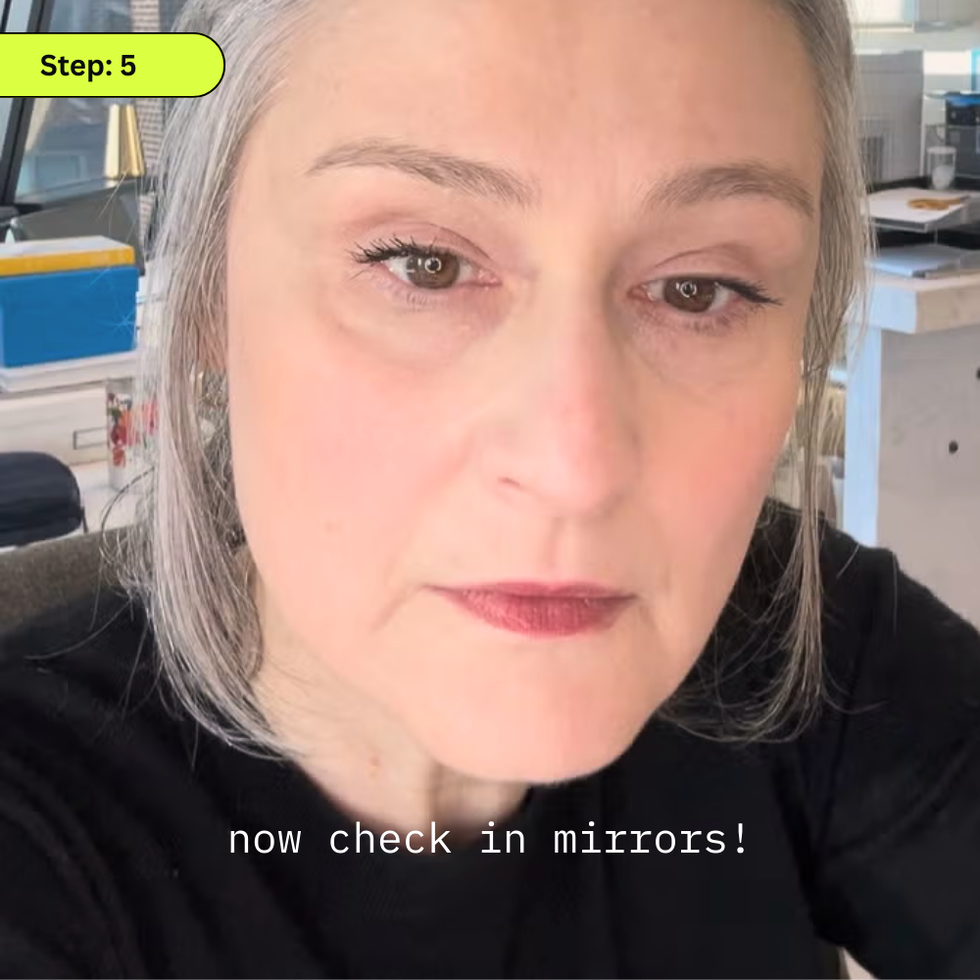
Once I’m finished, of course, I’ll take a look at the mirror; the reveal is exciting every time, and fun. I’ll also inspect for clumps or stray marks, just in case I created them, but honestly, that’s very rare. A useful thing about this method is that I can feel how much mascara I’m adding; I usually know if I’m adding too much, which can lead to clumps, so I stop before that happens. But yes, I’ll use a mirror as a final check. I have mirrors now!
Final Thoughts
I guess old habits die hard. I completely understand that this is counterintuitive, but the motions are the same. Without a mirror, I’m just a bit more attuned to the process. It also helps when I test mascaras for my job; I can better judge how well they slide through the fiber or how the formula feels or layers before I focus on the look and performance.
Sometimes—for some people—fine motor skills like applying mascara benefit more from tactile feedback and muscle memory than from constant visual monitoring. In my case, tuning in more to touch and feel rather than to instant visualization leads to a smoother, more precise, and (yes) less messy application. And I like the experience of it all. I’m curious whether anyone else has tried this or whether it might work for them.
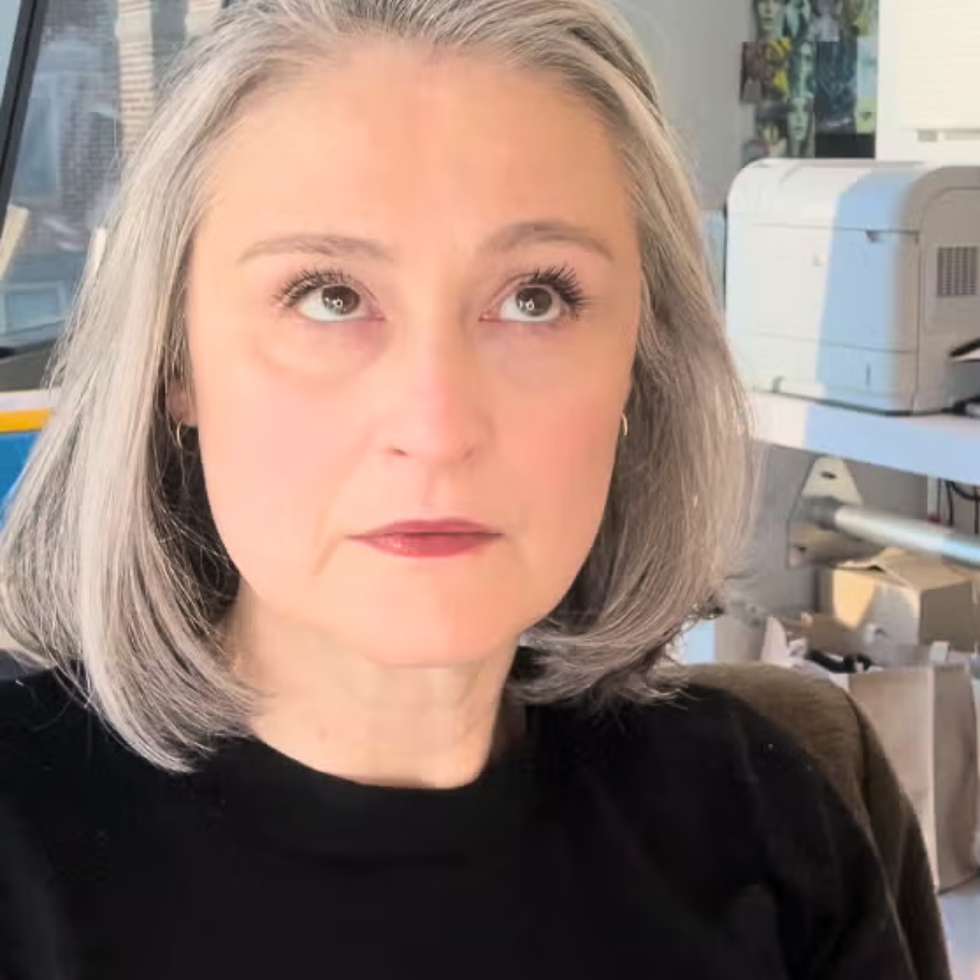
Expert note: Tuning in more to touch and feel leads to a smoother, more precise, and (yes) less messy application.