Ahh, the New Year — otherwise known as the good-luck-snagging-gym-equipment time of year. But we have an idea: Instead of attempting to claw your way into a spin class, why not try something new? Something unique. Something maybe even a little wacky. All in the name of wellness, naturally. From napercise to animalistic workouts, here are five unconventional wellness trends to add to your regimen in 2026.
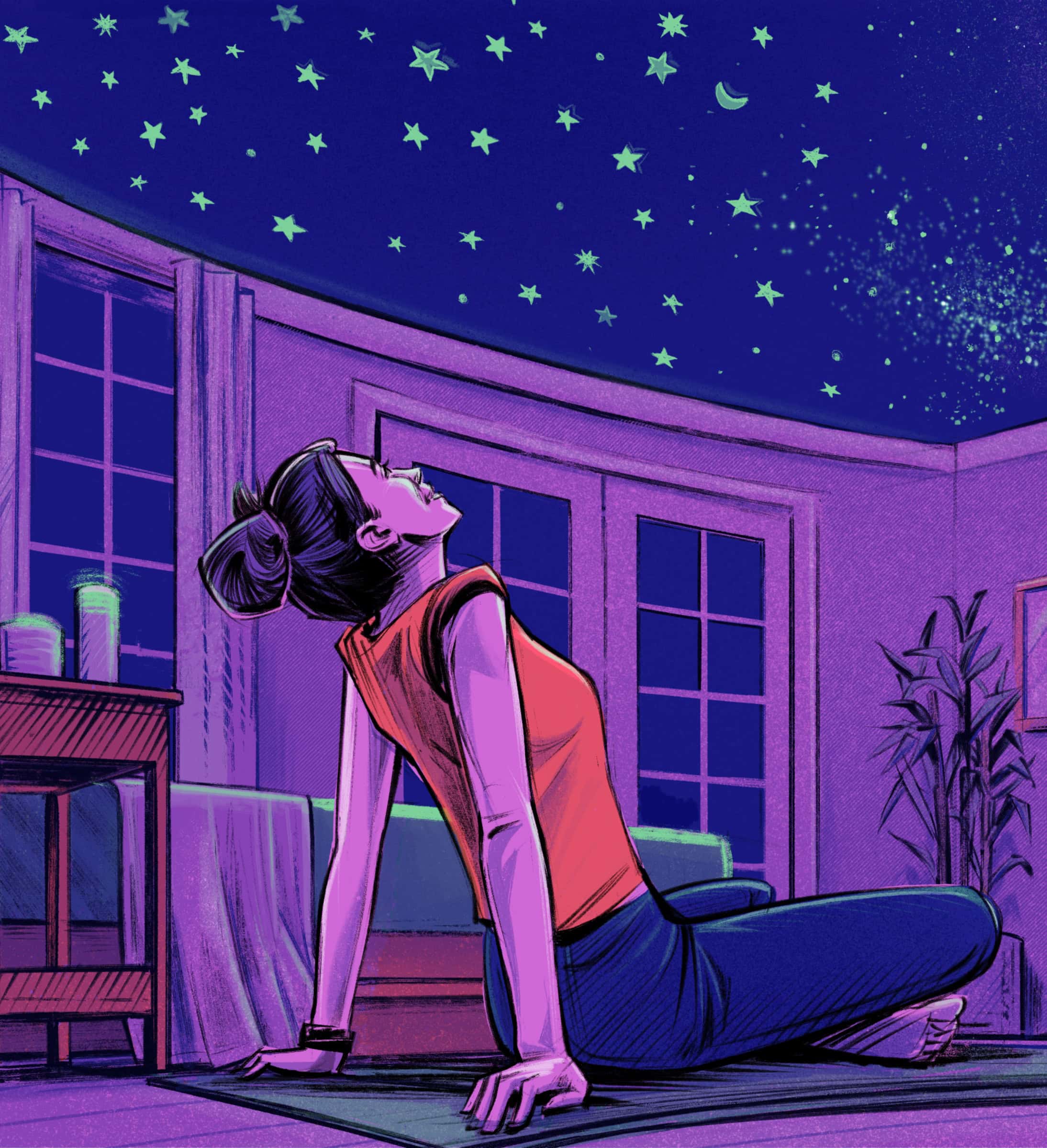
Illustration by Michael Iver Jacobsen
Cosmic Wellness
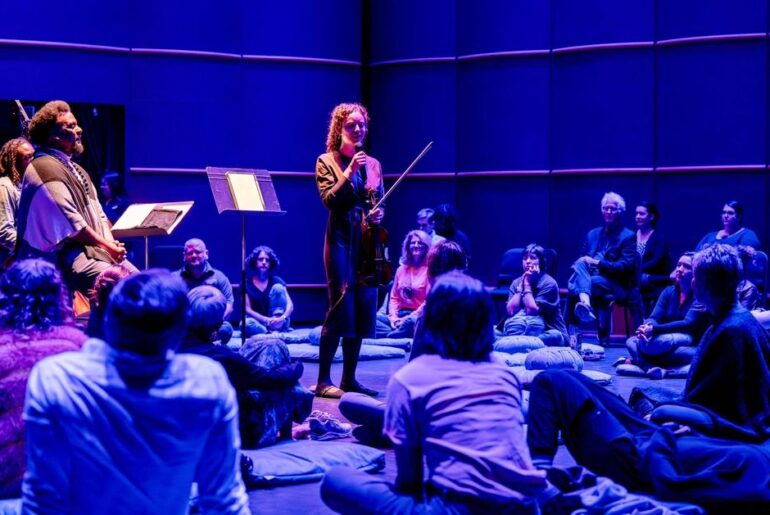
When did manifesting become so mainstream? It seems like yesterday that astrology was relegated to teen magazines touting romantic encounters and psychics professing a great fortune was coming. Today, cosmic wellness is incorporated into a range of practices, from meditation sessions to sound baths. Cosmology expert Janna Bowman was just 10 years old when she stepped into her spiritual gifts. Now, she channels those talents into a holistic approach to well-being that combines spiritual, mental and physical health, with the goal of aligning one’s personal life with cosmic or universal energies and principles. All of the curated sessions offered through her eponymous company involve some form of vibrational medicine, sound therapy or channeling of crystals or stones. The results? In one particular session, while performing energy work on a client’s feet, Bowman felt a jolt through her body and saw a vision of a man with a white mustache, who happened to look exactly like the client’s father. But DIY cosmic energy can begin at home, too. Bowman says it’s as simple as mindfully “gazing into the flame of a candle or watching the smoke from a cone of incense burning.” Who knows — maybe your own bearded relative will make an appearance.

75 hard (Or Soft)
The name gives it away — this is not a program for the faint of heart. How does this sound? Seventy-five days of the following regimen: complete two 45-minute workouts (one being outdoors), drink one gallon of water and follow a diet with no alcohol or cheat meals. Oh, and add to that: read 10 pages of a nonfiction book and take a daily progress photo. And none of these are negotiable. Fall into the trap of happy hour margs? It’s back to day one. Raj Desai, MD, who is double-board certified in physical medicine, rehabilitation and interventional pain medicine, says that Hard 75 became all the rage on social platforms when participants started seeing rapid results. The good? “It promotes the importance of nutrition, hydration and daily movement while also promoting mental health benefits through reading,” says Desai. The not-so-good? Two workouts can be excessive and, “the all-or-nothing mentality can be psychologically stressful,” he adds. Perhaps the Soft 75 is a better approach because it’s more about progress and trying your best, rather than perfection. “With the Soft 75, you have to eat well and can drink alcohol socially rather than cut it out completely, you must exercise for 45 minutes daily, drink three liters of water daily and read 10 pages of any book,” he says. “If you miss a day, you don’t have to start over.” With that in mind, sign us up for the Soft!
Animal-style Workouts
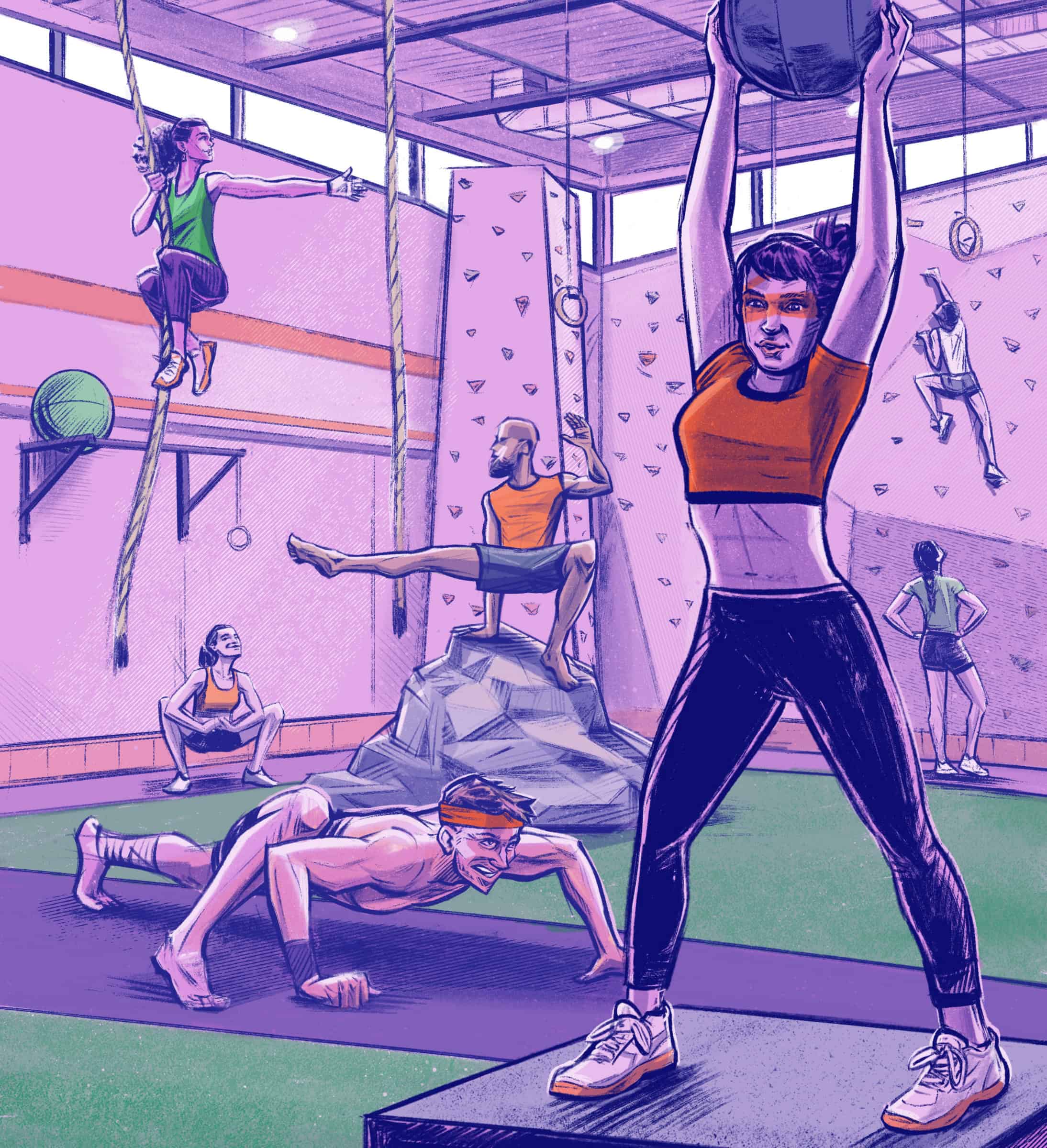
It may sound like a sporty safari, but hear us out: Animal-style workouts are the hottest thing to hit the New Year’s wellness hamster wheel. Jair Lee, movement and strength expert and wellness guide at CIVANA Wellness Resort & Spa, says that these workouts are a unique and grounding way to train using just your bodyweight. The movements are inspired by animals — think crawling, sliding across the floor, hanging or holding a grounded pose. Lee started incorporating this practice into his training sessions with professional athletes. “Initially, there was some resistance; these elite athletes weren’t used to bear crawls or crab walks,” he explains. “But once they realized how much these movements improved shoulder stability, mobility and coordination, the buy-in came quickly. They also found it surprisingly fun.” What makes it special isn’t just the movements themselves, but the flow between them; it’s as much about mindfulness as it is about strength. “At its core, this style of movement helps build a stronger mind-body connection and invites you to get back in touch with your natural, primal instincts,” says Lee. Cue Katy Perry’s “Roar,” please.
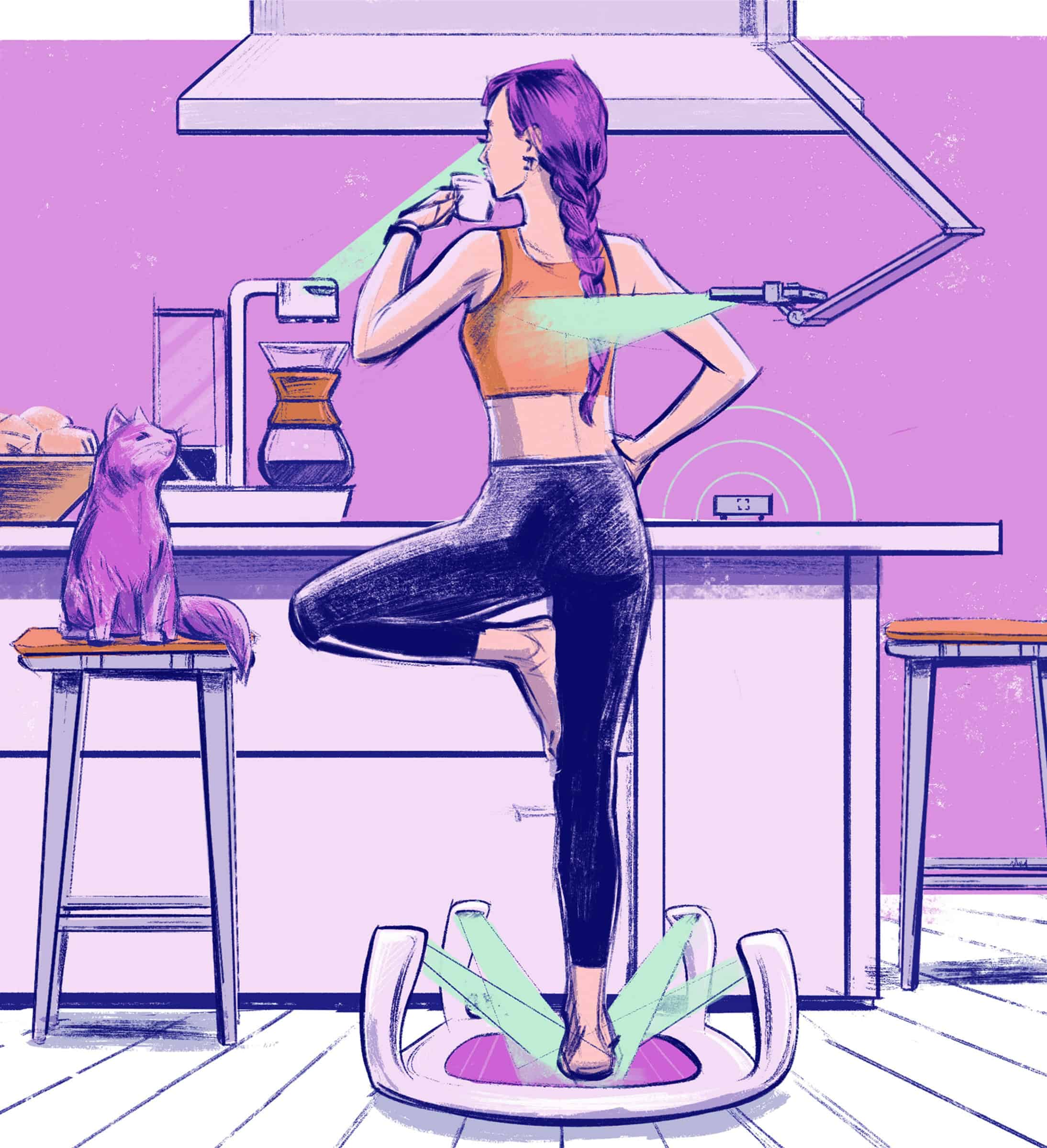
AI-Powered Wellness
A personal trainer is one thing, but a full-on wellness coach that is completely virtual is in a league all its own. Enter AI health. “We are finally in a world where the buzz word of personalization is becoming real and possible in the not-so-distant future,” says Julia Klim, cofounder of AI lab In Search Of, which focuses on making healthcare more personal. Building a fitness program? Check. Meal planning to help you feel less bloated and sluggish? Check. Spotting useful patterns through a wearable health and fitness tracker? Check. Those are the questions that — even for someone with one-on-one human care, like personal trainers or nutritionists — could not be answered as quickly as AI could. But soon that could all change. She explains that when AI gets it right, it won’t just track — it’ll adapt. “Picture a virtual companion who knows when you’re at the airport and can suggest exactly what to eat before your flight, when to have caffeine to beat jet lag, which supplements to take to feel your best upon arrival, and even recommends the perfect 20-minute workout for a post-travel shakeout,” says Klim. “Only you and AI can move through life together this fluidly. That version — where someone’s always quarterbacking your health in real time — is where we’re headed.”
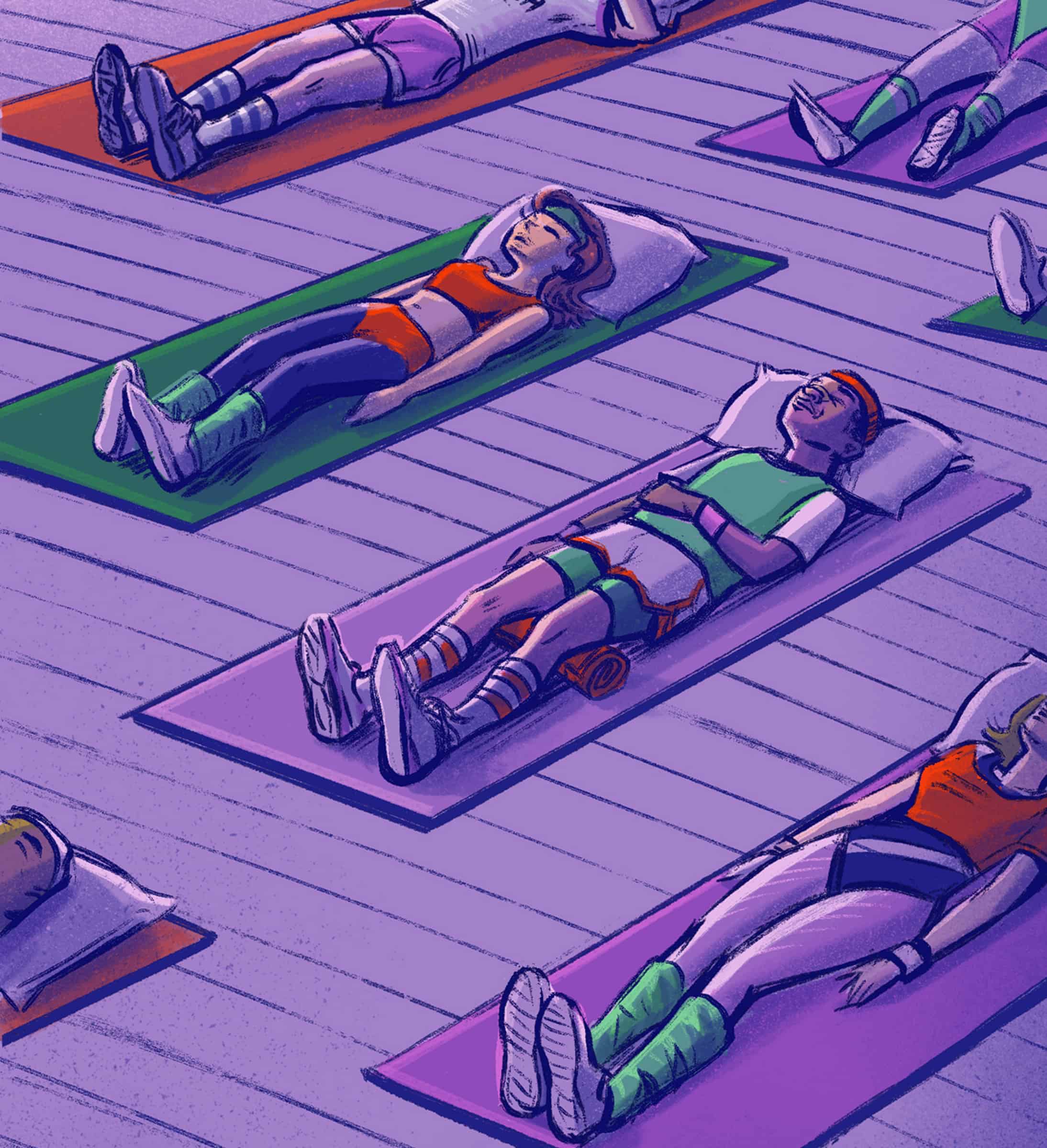
Napercise
Well, we have reached a point in society where we are paying to sleep. Which clocks, really. A whopping six out of 10 adults aren’t getting enough sleep, with 68% of adults experiencing poor sleep quality, according to the National Sleep Foundation’s 2025 Sleep in America Poll. So you could say that napercise was born out of necessity. Napercise is an hour-long fitness class with light stretching followed by a 45-minute uninterrupted nap on provided beds. These restorative sessions include soothing music, eye masks and a temperature-controlled room set to promote relaxation and calorie burn during sleep. The activity initially gained popularity in the United Kingdom as a result of widespread sleep deprivation. “It’s designed as a restorative workout to help reinvigorate the mind and the body and burn a few calories, blending exercise with essential rest,” says Reuben Chen, MD, a board-certified sports medicine physician and longevity expert. “Napercising is fun because it flips the traditional idea of a group workout on its head and transforms gyms into cozy nap areas — turning rest into a social event. Instead of sweat and strain, it’s soothing and restorative.”
Read this article as it appears in the magazine.