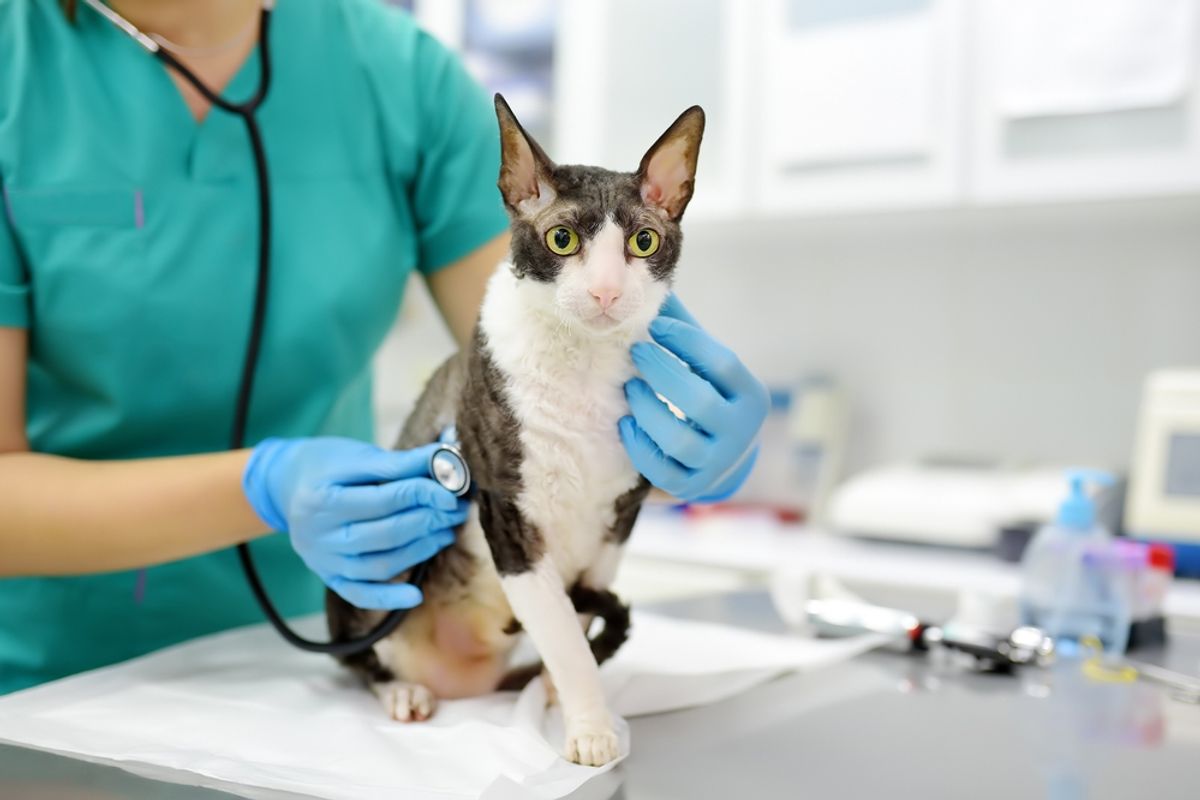
A once-fatal coronavirus disease in cats is revealing new details about how similar viruses can spread through the immune system and linger long after symptoms appear. New research published in Veterinary Microbiology finds that the virus behind feline infectious peritonitis, or FIP, infects a wider range of immune cells than previously believed.
Although FIP affects only cats, it shares key features with severe and long-lasting coronavirus illnesses in people, including widespread inflammation and symptoms that can persist or return. By tracing how the virus moves through the immune system, the findings could help clarify why some coronavirus infections lead to chronic inflammatory conditions, including long COVID.
“What we found is that it actually infects a much broader range of immune cells, including those that are critical for fighting infection,” said lead author Amir Kol, in a press release.
Read More: What Exactly Is Long COVID? Different Definitions Make Diagnosis and Treatment Difficult
How a Cat Coronavirus Attacks the Immune System
FIP is caused by a feline coronavirus that mutates inside some cats, allowing it to invade immune cells and spread throughout the body. If left untreated, the disease is almost always fatal.
For years, the prevailing view was that the virus primarily infected macrophages, a type of immune cell involved in inflammation and pathogen clearance. That explanation helped account for the disease’s severity, but it left important gaps. The new findings show that the virus is much less selective than once thought.
Lymph Nodes Offer a Window Into Coronavirus Persistence
To investigate how the virus spreads, the team examined lymph nodes from cats with naturally occurring FIP. Lymph nodes act as coordination hubs for the immune system, bringing together different types of white blood cells to recognize and respond to infection.
Using a combination of imaging and single-cell RNA sequencing, the researchers detected viral genetic material and viral proteins inside multiple immune cell types. These included B lymphocytes, which produce antibodies, and T lymphocytes, which help identify and eliminate infected cells.
The virus was not simply present as harmless debris. The team detected subgenomic viral RNA inside some T cells, a strong indication that the virus was actively replicating within these immune cells. Many infected cells also showed signs of activating antiviral defenses, suggesting the immune system was responding even as the virus spread within it.
Using Cat Disease to Study Long COVID
Studying persistent coronavirus infection in people is challenging, in part because immune tissues like lymph nodes are rarely accessible. Cats with FIP offer a rare opportunity to observe how a coronavirus behaves inside the immune system during a naturally occurring disease.
“This is where cats give us a unique opportunity,” Kol said. “We can directly study infected immune tissues in a naturally occurring coronavirus disease — something that’s very difficult to do in people.”
The researchers also found that traces of viral RNA could remain inside immune cells even after antiviral treatment, when cats appeared clinically healthy. Because some immune cells can survive for years, lingering infection could help explain long-term immune disruption or disease relapse.
The findings position FIP as a valuable real-world model for understanding how coronaviruses can persist within the immune system and drive chronic inflammation. Insights from veterinary medicine may help guide future research into post-viral syndromes in people, including long COVID, underscoring how animal health studies can illuminate unanswered questions in human disease.
This article is not offering medical advice and should be used for informational purposes only.
Read More: Treating a Viral Infection in Cats May Solve the Mystery of Long COVID
Article Sources
Our writers at Discovermagazine.com use peer-reviewed studies and high-quality sources for our articles, and our editors review for scientific accuracy and editorial standards. Review the sources used below for this article: