Beans are getting a lot of love on social media—for good reason. They’re versatile (hello, pizza beans?!), packed with fiber, and relatively affordable. And beans can make a quick and convenient meal, depending on whether you choose dried or canned. When it comes down to it, is one better than the other? We asked dietitians about the nutritional differences between the two.
Canned vs. Dried Beans: Nutrition
From a nutrition standpoint, canned and dried are very similar, says registered dietitian Samantha Peterson, MS, RD. “Both provide comparable amounts of plant-based protein, fiber, complex carbohydrates, iron, magnesium, potassium, and folate per serving,” Peterson says.
According to Peterson, the differences occur because canned beans are cooked at high temperatures, causing a slight reduction in water-soluble vitamins, like B vitamins. “However, the loss is modest, and because beans are still such a rich source of these nutrients, canned beans remain nutritionally dense, she says. “The fiber and protein content remains largely intact through the canning process, which is important because these are the nutrients most responsible for beans’ blood sugar–stabilizing and gut-supportive effects.”
Sodium
Salt is typically added to canned beans, meaning it’s higher in sodium—but it doesn’t have to be, says Dawn Jackson Blatner, RDN, CSSD, sports dietitian and author of The Superfood Swap. “Buy canned beans with no salt added, reduced sodium, or rinse and drain canned beans to reduce the sodium by up to 40 percent,” Blatner says.
Digestibility
Both dietitians agree that most people should eat more beans, but one of the barriers to doing so is digestive discomfort, specifically gas and bloating, explains Blatner. “Beans contain complex sugars called oligosaccharides that your body doesn’t fully digest, so they travel to the gut where bacteria ferment them, which can create gas,” Blatner says. Reducing oligosaccharides can help reduce the amount of gas they produce, she explains.
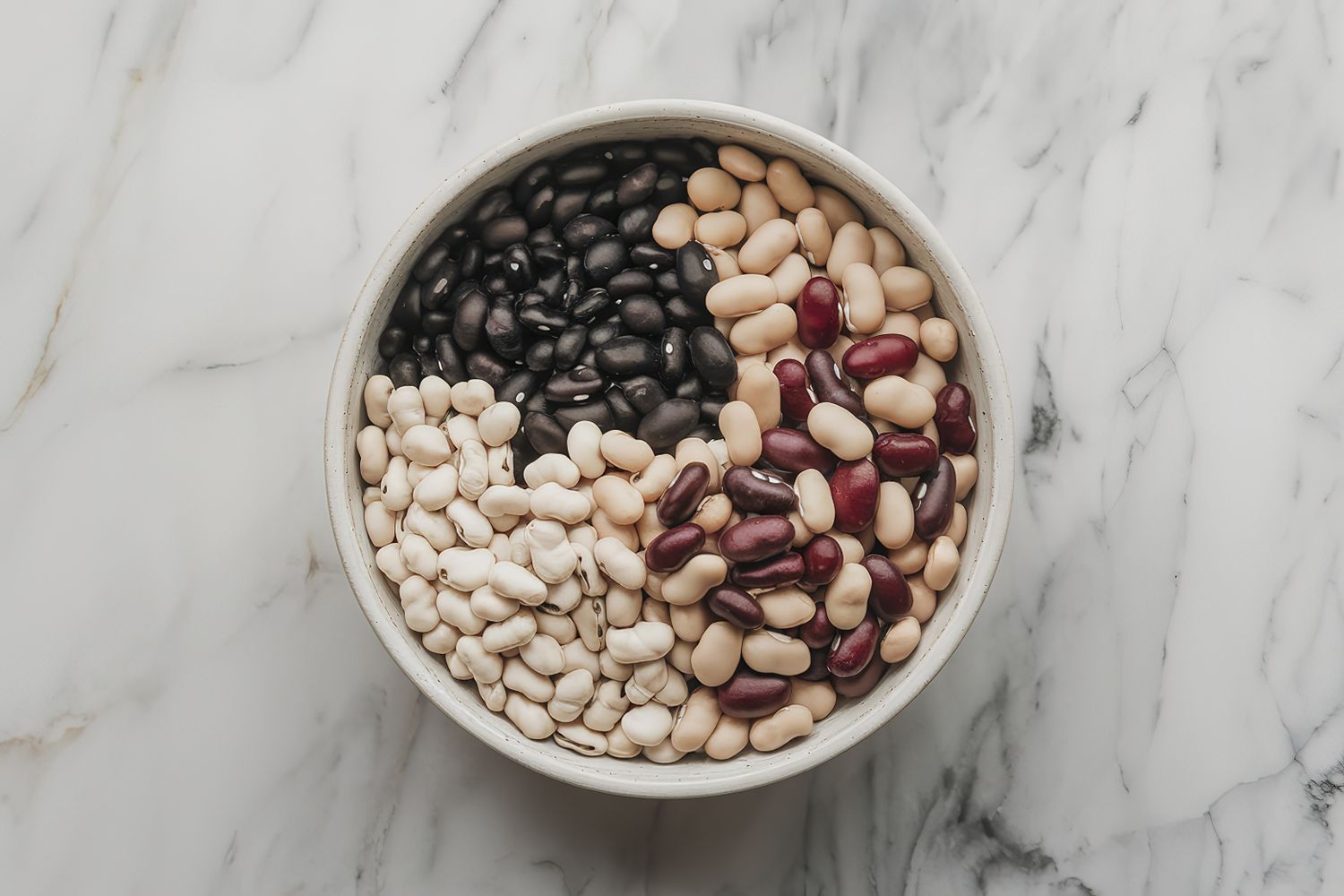
Soaking dried beans helps reduce oligosaccharides, according to Peterson, and slow cooking helps further break down those fibers, making them even easier to digest, she explains.
If you don’t have time to make beans from scratch, rinsing and draining canned beans will also help remove some of the oligosaccharides, according to Blatner.
Taste and Convenience
There’s no question that canned beans can help simplify mealtime. “I am obsessed with canned beans,” Blatner says. “They are one of the best healthy convenience foods available! Canned beans are convenient, have a long shelf life, are versatile, and affordable.”
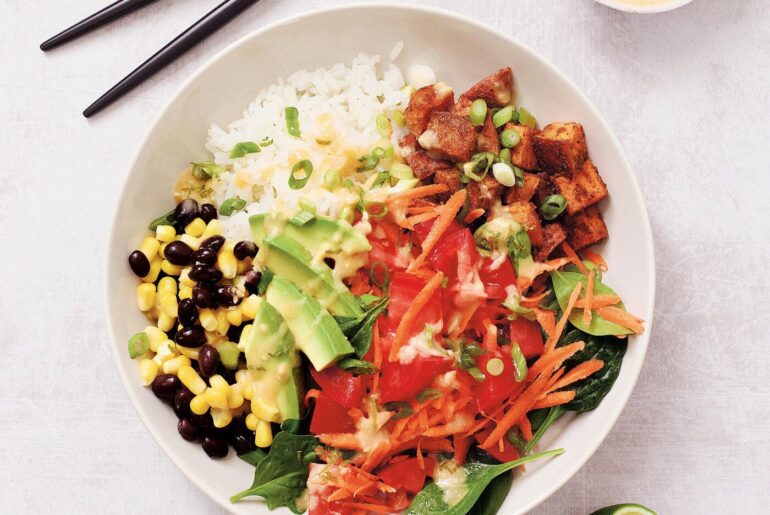
She recommends keeping rinsed and drained beans at eye level in your fridge (out of sight, out of mind!), so you can easily add them to whatever you’re making, such as soups, salads, quesadillas, grain bowls, pastas, tacos…the list goes on!
Taste is a matter of preference, but dried beans offer more control over preparation, flavor, and texture, Peterson says. Ultimately, there is no best form of bean, though canned may be more accessible. “When ease supports consistency, nutrition actually sticks for the long-term, and canned beans help make that possible,” Peterson says.