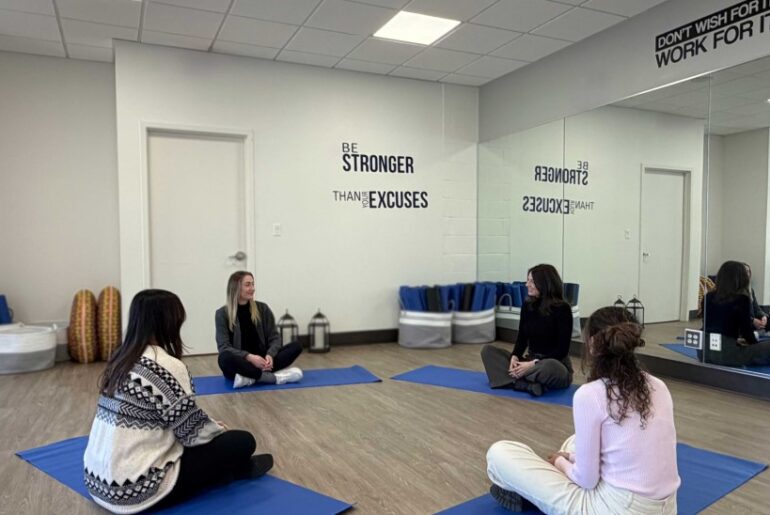
Last Friday marked an early milestone for 2026: Quitter’s Day. The second Friday of every New Year is when the majority of people abandon resolutions made in the hopeful glow of sparkling holiday lights — and maybe too much Champagne.
Credit: Rev. Diane Sullivan
The thing is, most New Year’s resolutions are destined to fail. When you vow to eat better, work out more, cut back on spending or read more books, what you’re really promising is to make a major behavioral change in your life. That’s a good thing! But it’s foolish to think that you can flip a switch, or a calendar page, and become a better person overnight. Meaningful change takes time, effort, and, most importantly, the willingness to forgive yourself if and when you screw up. What’s important is not to give up.
That’s what Richmond’s Jorge Pascual discovered when he resolved to hit the gym 100 times last year — and succeeded. The 44-year-old father of four found that achieving his goal was as much a function of logistics as willpower.
Vermont skin-care company Ursa Major has hit all of its targets and then some. Rejecting the industry’s anti-aging mantra has led to 15 years of growth and a $30 million annual revenue.
One health and beauty mantra that still holds: When you look good, you feel good. The same is true about eating well. Chelsea Approved, a small Essex Junction company that makes vegan, gluten-free baking mixes, has found success catering to a variety of diets.
The free-lunch program for employees at Beta Technologies isn’t why the company is successful — credit revolutionizing aviation for that. Still, Beta’s kitchen team pumps out hundreds of healthy, largely locavore lunches every day, even customizing to meet individual workers’ dietary needs.
You’re on your own for lunch, but a free clinic at the state’s only mosque, in South Burlington, offers visits with a primary care doctor and even specialists every Saturday for anyone in need. Amid skyrocketing health care costs, that clinic may see a surge in patients. The health care crunch is so dire that Vermont’s largest insurer, Blue Cross Blue Shield, is advising patients to shop around for surgeries and other treatments.
Preventative care is critical in staving off all manner of maladies later in life. Increasingly, scientific evidence suggests that’s also true for dementia and Alzheimer’s disease. A Walk in Their Shoes, an interactive simulation that re-creates the experience of living with dementia, was designed to help folks better understand those with cognitive impairment.
Meanwhile, in Ludlow, Trey Anastasio’s Divided Sky Residential Recovery Program is flourishing. Program director Melanie Gulde reflects on cofounding the rehab center with the Phish front man and how — recurring theme alert! — they didn’t give up after a rocky start.
In other words, if Trey can do it, so can you.
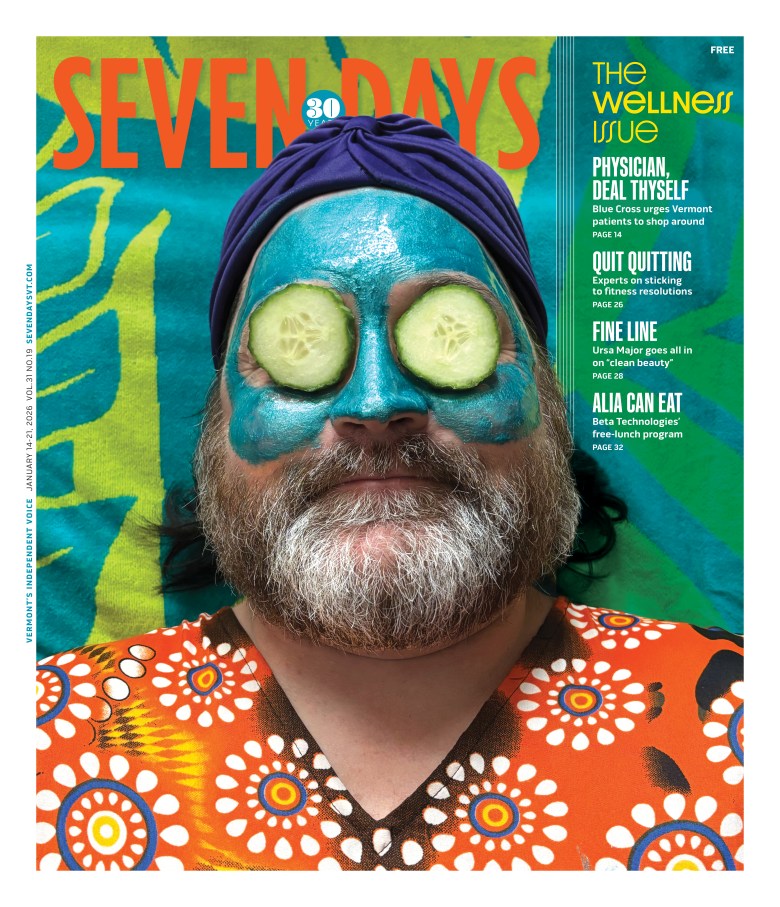
This article appears in The Wellness Issue 2026.