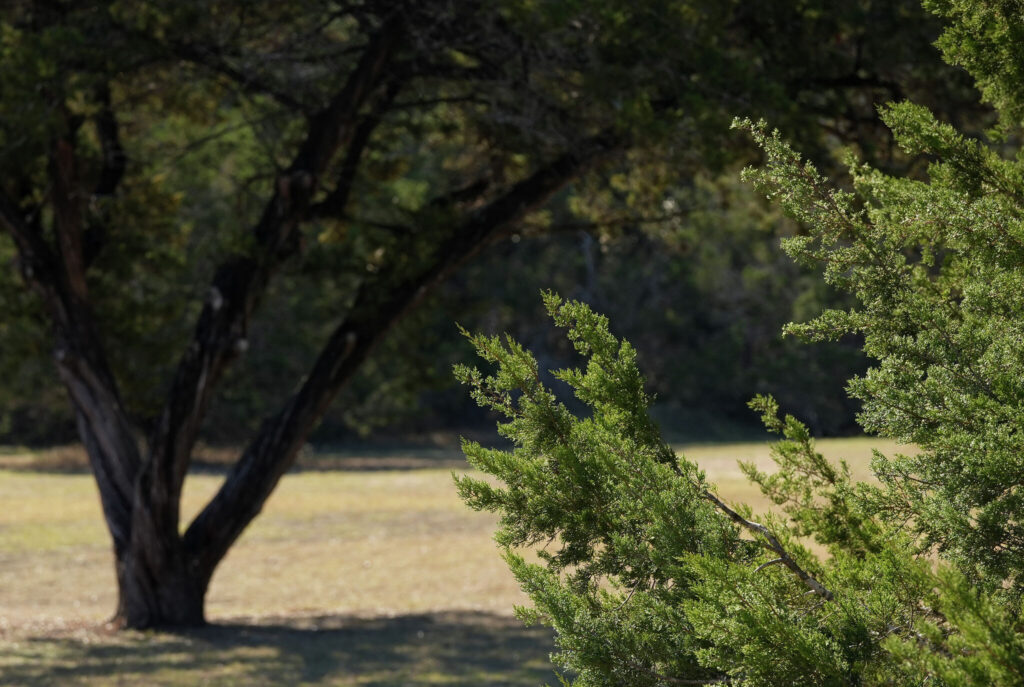
Winds and dry weather make cedar fever worse as the pollen from the ashe juniper trees blows around.
RALPH BARRERA/AMERICAN-STATESMAN FILE
Austin has had some high and very high cedar pollen allergy days this month.

In addition to people recommending natural or homeopathic remedies, people on Reddit have debated whether or not you can outgrow cedar fever or become immune to the pollen.
Article continues below this ad
Ashe juniper trees blow in the wind at Mary Moore Searight Metropolitan Park in Austin on Wednesday, Jan. 14, 2026, during a period of high cedar pollen.
Jay Janner/Austin American-Statesman
Cedar fever is a seasonal allergy common in Central Texas. It happens when the male mountain ashe juniper trees get frisky looking for the female mountain ashe junipers and unleash all of their itchy, yellow pollen. That pollen can fill the air, covers cars and cement, and can start noses running, eyes watering and throats scratching.
How long will cedar fever last?
This year, the allergy started later than normal. Instead of hitting in December, it ramped up at the beginning of January, said Dr. Allen Lieberman of Austin Family Allergy & Asthma.
Article continues below this ad
AccuWeather continues to predict high or very high tree pollen allergies this week, including cedar, but the rain on Tuesday might help lessen that. High winds on Wednesday might have negated the good the rain did. Because the season started late, it will probably go on for another month, Lieberman said. What we really need is a freeze or more rain.
The Texas Hill Country is filled with ashe juniper trees, also known as cedar. There are proven treatments for the cedar fever, but also a lot of myths.
American-Statesman file photo
Can you become immune to cedar fever?
Yes, but probably not naturally. Prescription allergy shots or drops help introduce the allergen in controlled doses sothe body learns how to recognize that irritant and not mount the kind of defense it did previously (i.e., cue the nasal drip).
Article continues below this ad
Can you outgrow cedar fever?
Yes and no. “It’s pretty rare for people to have less allergies just by being exposed,” Lieberman said. “Otherwise, we’d tell you to go rub your face in a cat or something.”
As people age, they do produce less Immunoglobulin E (IGe), the substance that helps your body fight off infections or irritants. This is part of the reason why older adults cannot fight off viruses as easily as children and younger adults, but it’s also why some people will notice their allergies are not as bad as they age or say they “outgrew” an allergy. Kids and young adults typically have the more IGe, Lieberman said, which is why they might have more or worst allergies.
Article continues below this ad
Does local honey help with cedar fever?
Probably not, Lieberman said, because bees don’t use the ashe juniper pollen to make honey.
What about homeopathic drops or cures that say they are for cedar fever?
Those are not regulated and do not contain a set amount of the irritant, he said. There are no guarantees they will work. Allergy shots and drops you get in a doctor’s office are carefully dosed to make sure you are getting the exact right amount for your allergy to be effective but also not cause a dangerous reaction, Lieberman said.
Article continues below this ad
Do I have to see a doctor if I have cedar fever?
No. About 80% to 90% of people with cedar fever can manage with over-the-counter allergy medications such as Zyrtec, Flonase and Claritin, Lieberman said. You can combine allergy medications including taking a nasal spray, an eye drop and an oral antihistamine at the same time to control different symptoms. You should start a medication weeks before the season starts and should take it every day until after the season ends.
People also should do these pollen reduction activities:
Article continues below this ad
Taking a shower before going to bed.
Taking off outside clothes or shoes when you get into the house.
During a nasal wash such as a neti pot or saline spray.
Changing the filters in your house regularly during cedar fever season.
Keeping doors and windows closed.
Clean out the vents in your home.
If you have tried the over-the-counter medications and the pollen-reduction strategies and are not making progress or if you are having to take steroids, see an allergist to talk about shots or drops that can help you, Lieberman said.