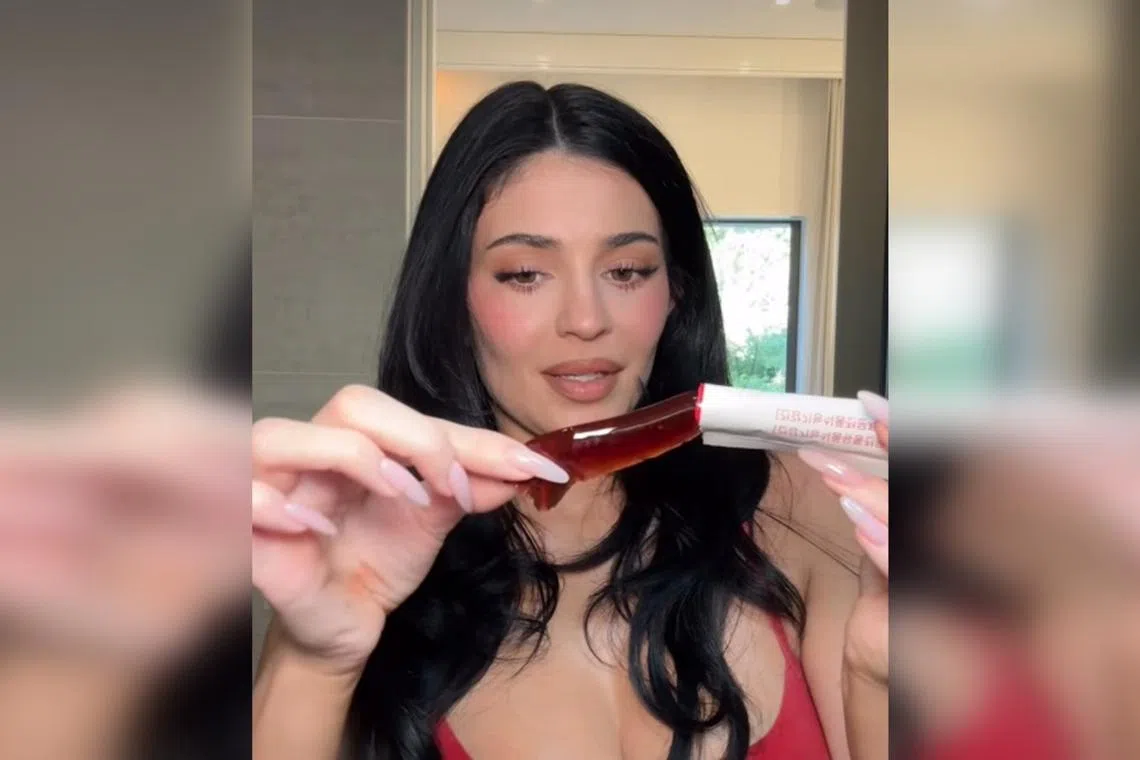
SEOUL – Lip kits and jelly sticks – celebrities’ beauty playbook is shifting from what goes on the skin to what goes into the body.
The change is evident on social media, where posts such as American reality TV star and beauty entrepreneur Kylie Jenner’s TikTok clips uploaded last week quickly went viral.
“I’ve added a new favourite to my routine. Pomegranate-flavoured cutting jelly. This is not a typical jelly. It’s for digestion. My goal is to snack less for the new year. I’ve been bringing this everywhere,” she said, filming herself pulling a stick-type jelly supplement out of an Hermes bag and eating it in her car.
The message was clear: beauty routines are no longer limited to serums and creams. They now extend to functional foods and supplements designed to support digestion, skin and overall wellness – a category widely known in South Korea as “inner beauty”.
American rapper Cardi B delivered a similar endorsement in December 2025, praising the same type of “cutting jelly” on Instagram. Marketed as helping control post-meal blood sugar spikes and promote regular digestion, the product – South Korea’s Foodology Coleology Cutting Jelly – combines pomegranate concentrate with dietary fibre in a portable, single-serve format.
“With this, I can eat whatever I want,” she said in the video, reinforcing the idea that beauty and body care are increasingly framed as lifestyle habits rather than cosmetic fixes.
Industry watchers see these celebrity shout-outs as a sign that inner beauty has entered its next growth phase.
According to Kolmar BNH, the health-functional-food arm of Kolmar Korea, the global inner beauty market is expected to grow about 2 per cent annually through 2027, driven by rising interest in skin, hair and gut health. “Inner beauty products are gaining attention worldwide across multiple wellness categories,” the company said.
Search and sales data support the shift. On Korean beauty app Hwahae, October’s top global search terms included not only skincare, but also supplements such as zinc and selenium.
At Olive Young, the country’s largest beauty retailer, sales of inner beauty products rose 24 per cent among domestic customers and 49 per cent among overseas shoppers in the first 11 months of 2025 compared with a year earlier.
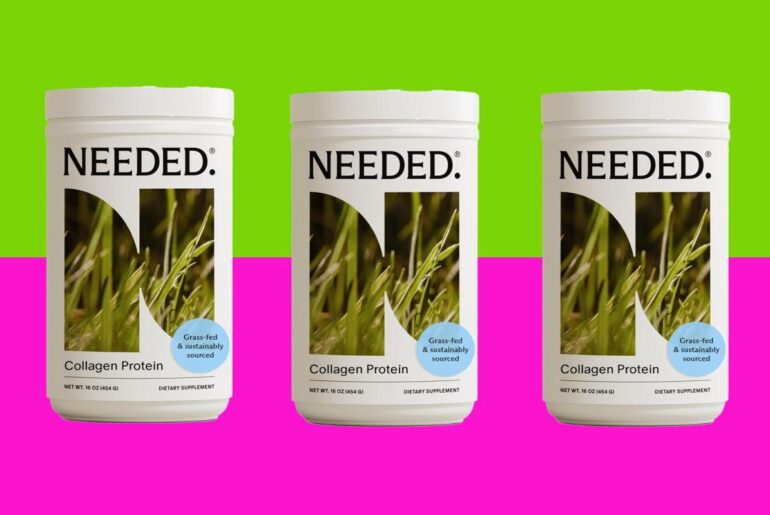
The collagen boom sits at the centre of the movement. “Collagen is king,” said Olive Kim, founder of supplement brands Cloud Cafe and Collagelee, noting that ingestible formats – from liquid shots and stick jellies to gummies and powders – are gaining favour as consumers seek visible skin benefits from within.
Industry experts note that because collagen molecules are difficult to absorb topically, many dermatologists and dietitians recommend oral supplementation to support elasticity and hydration.
Format matters as much as function. Fruity jellies, liquid shots and drinkable supplements are turning what was once a chore into a daily habit many consumers enjoy.
As Korean-style holistic beauty gains popularity worldwide, the line between snack, supplement and skincare is increasingly blurred. THE KOREA HERALD/ASIA NEWS NETWORK
Beauty industryDietary supplementsCelebritiesSkin problems