After a turbulent year for beauty and fashion, one truth stood out from the rest: Consumers have moved beyond the era of polish and perfection. Looking at data from Mention Me that spans millions of advocacy signals, influencer engagements, referral moments and sentiment patterns, it became clear that 2025 marked a reset in what people actually respond to, share and buy from.
There were four shifts in particular that moved the needle.
1. Authenticity finally beat perfection.
It’s true; people are getting over ‘perfect.’ Whether it’s skin texture, forehead sweat or visibly stressed makeup artists trying to make a shoot work, the real stuff drove real connection. Highly curated feeds gave way to platform-native storytelling that feels human again. Consumers watched with relief as normality took center stage and they responded accordingly, with data showing that advocacy surged when brands showed unfiltered truth rather than studio-grade gloss. For example, Mention Me’s own data showed that micro-influencer content generates 60% more engagement than branded posts.
2. Micro-creators became the new power players.
The days of one-size-fits-all influencer marketing are well and truly behind us. Niche creators with 5k–100k followers outperformed mega-names by every meaningful measure: trust, conversion and the likelihood that someone will recommend a brand to a friend. In a year defined by fragmentation, community-scale voices cut through the noise.
3. Imperfection became celebrated.
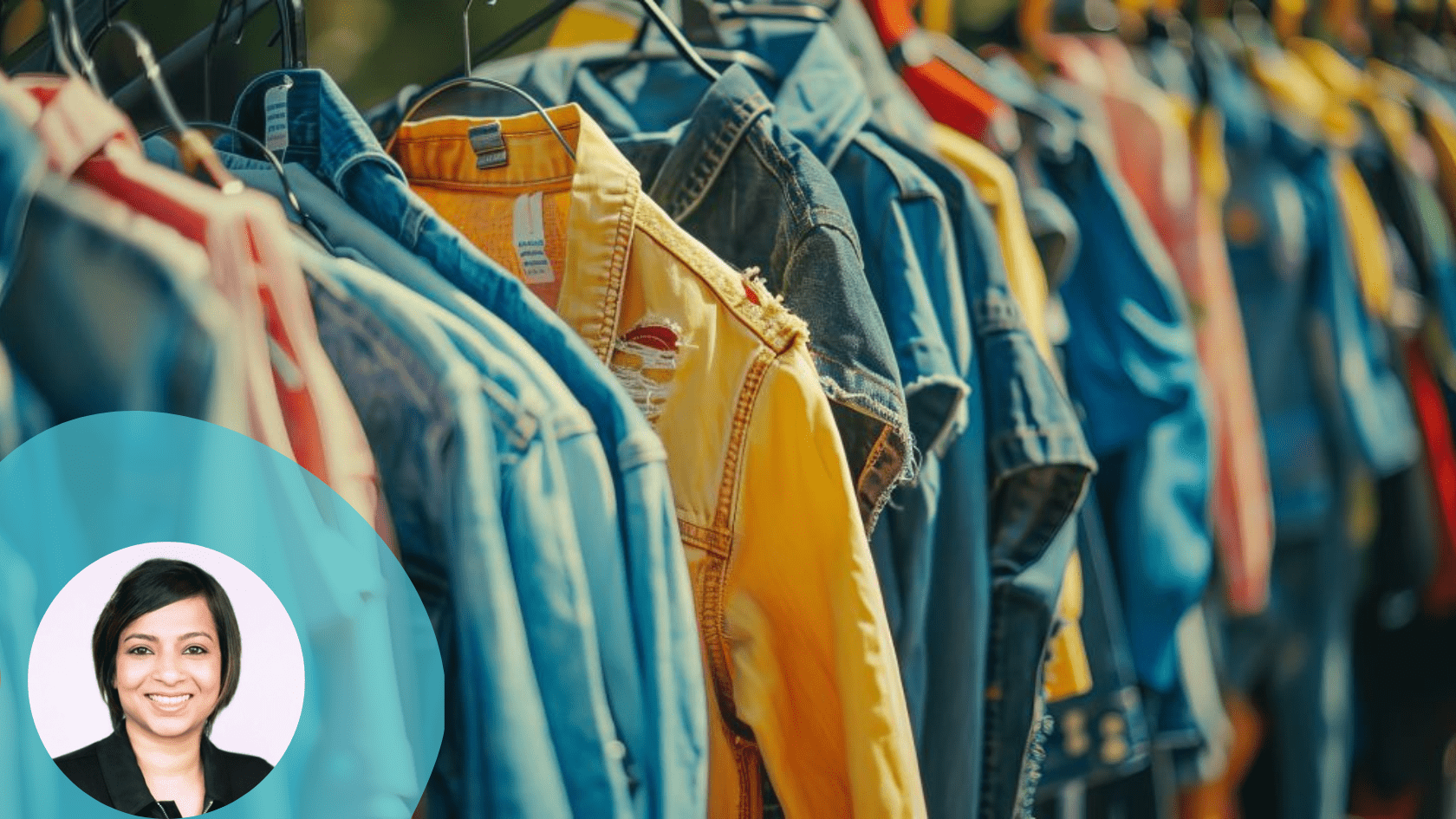
You would’ve been forgiven for thinking there’d been a merchandising mistake when you first saw wrinkly clothes on display in shops, but as we saw with the blurred-photo trend on Instagram last year, imperfection is a statement that has well and truly entered the fashion zeitgeist. The Levi’s ‘Lines, Folds & Fits’ campaign is the perfect example; the denim looked worn, aged, creased and lived in. And everyone loved it.
From scuffed trainers to ‘wrinkled chic,’ imperfection represents a deeper psychological shift, where consumers want products that fit real life, not the airbrushed fantasy. Brands tapping into this aesthetic saw higher loyalty and repeat engagement.
4. Upcycled ‘trash fashion’ went mainstream.
What began as a sustainability niche became a cultural force. Upcycling, repurposing and creative reuse overtook polished minimalism because they signal values, not vanity. When people feel proud to share a product – its origin, its impact, its story – advocacy skyrockets.
What’s Coming in 2026?
If 2025 was the year consumers reclaimed ‘real,’ 2026 is when they’ll double down on meaning, relevance and proof. Here’s what we should expect from the year ahead.
1. AI becomes a personal stylist.
AI will stop being a behind-the-scenes engine and start shaping the front-end experience. This could mean hyper-personalized routines, curated baskets and look books that feel hand-picked for you, all helping brands to deliver a first-class experience that’ll boost basket value in the short term and loyalty in the long term. The brands that pair automation with human sensibility will win in the eyes of their consumers.
2. A new wave of values-led scrutiny.
Gen Z and Gen Alpha aren’t interested in vibes (despite what colloquialisms will have you think). Instead, they’re watching a brand’s every move. They want verification from ethical sourcing and ingredient transparency to genuine sustainability. We should expect the shift from storytelling to story-proving, with measurable impact becoming a core part of loyalty and sharing behavior.
3. High-performance minimalism.
Beauty routines will simplify, but the science behind them will intensify. Consumers will invest in fewer products with long-term benefits, supported by dermatology-grade claims and technology-powered personalization. Brand fans want minimalist but high-performance products as a sure step towards smart, efficient beauty.
4. The backlash against “AI slop”.
As low-effort, AI-generated content floods feeds, consumers will tune it out. The brands that cut through will lead with human insight, humor and perspective supported by tech, not drowned by it.
Example use cases, like AI-generated product pages that read like filler or emotionless voiceovers on TikTok, really drive up the backlash against generic and uninspiring content. Consumers don’t hate AI. They just hate when brands are lazy with it.
The Opportunity for Brands
The lines between community, influence and commerce have never been closer. Brands that thrive in 2026 will combine two things: human-led creativity and AI-powered personalization, always anchored in values that consumers can believe in and share.
2025 reminded us that people recommend things based on how they feel. 2026 will belong to the brands that prove why they’re worth believing in.
Neha Mantri, MBA is VP of Marketing at Mention Me, taking the brand’s customer-led growth vision to market while driving business expansion. With 15+ years in consumer retail and tech, she has led brand campaigns that boost revenue and loyalty and helped companies like Trustpilot and Vonage scale internationally. Known for blending data-driven insight with creative vision, Mantri delivers marketing that accelerates global growth.